Register for a wholesale account to view pricing & request a memo.

Insights

Our Place To Share Knowledge And Stories

Noelle’s Notes: The Definitive Guide to
Sourcing Montana Sapphire

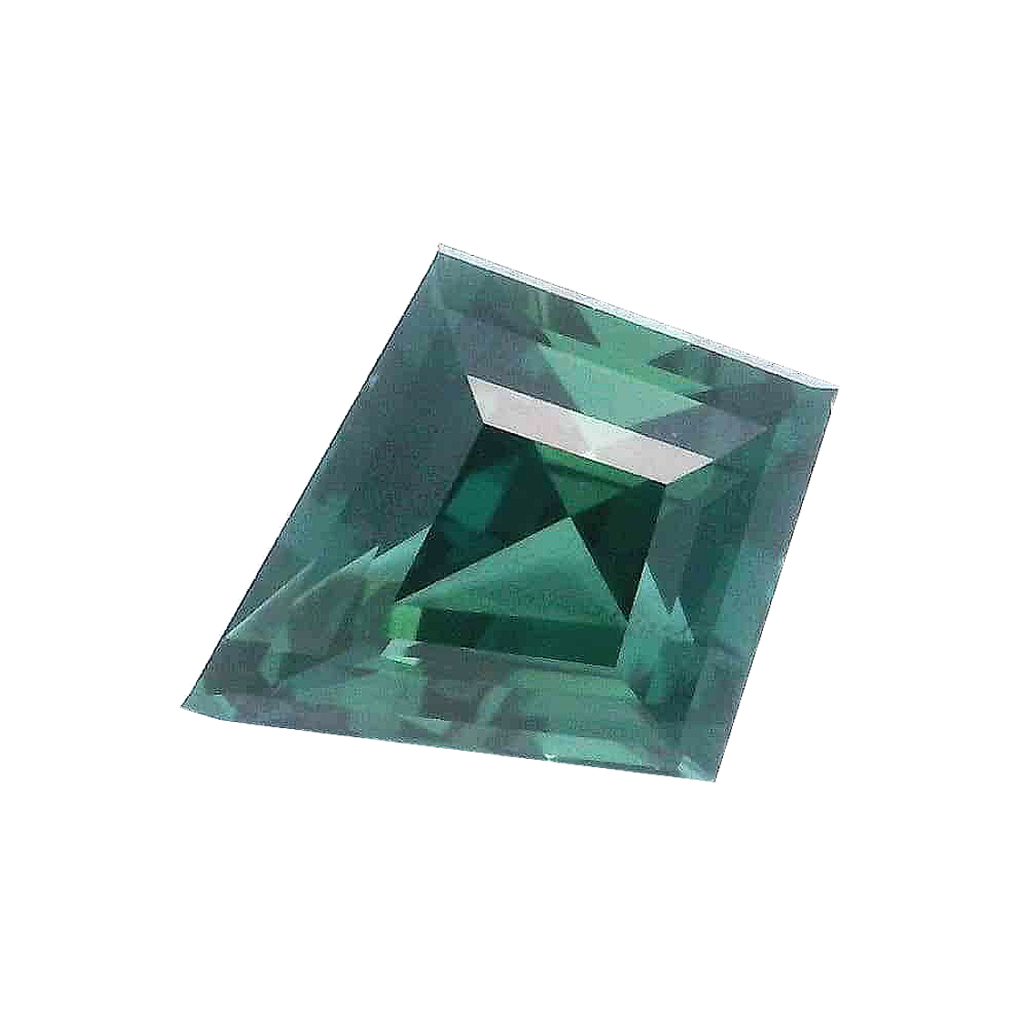
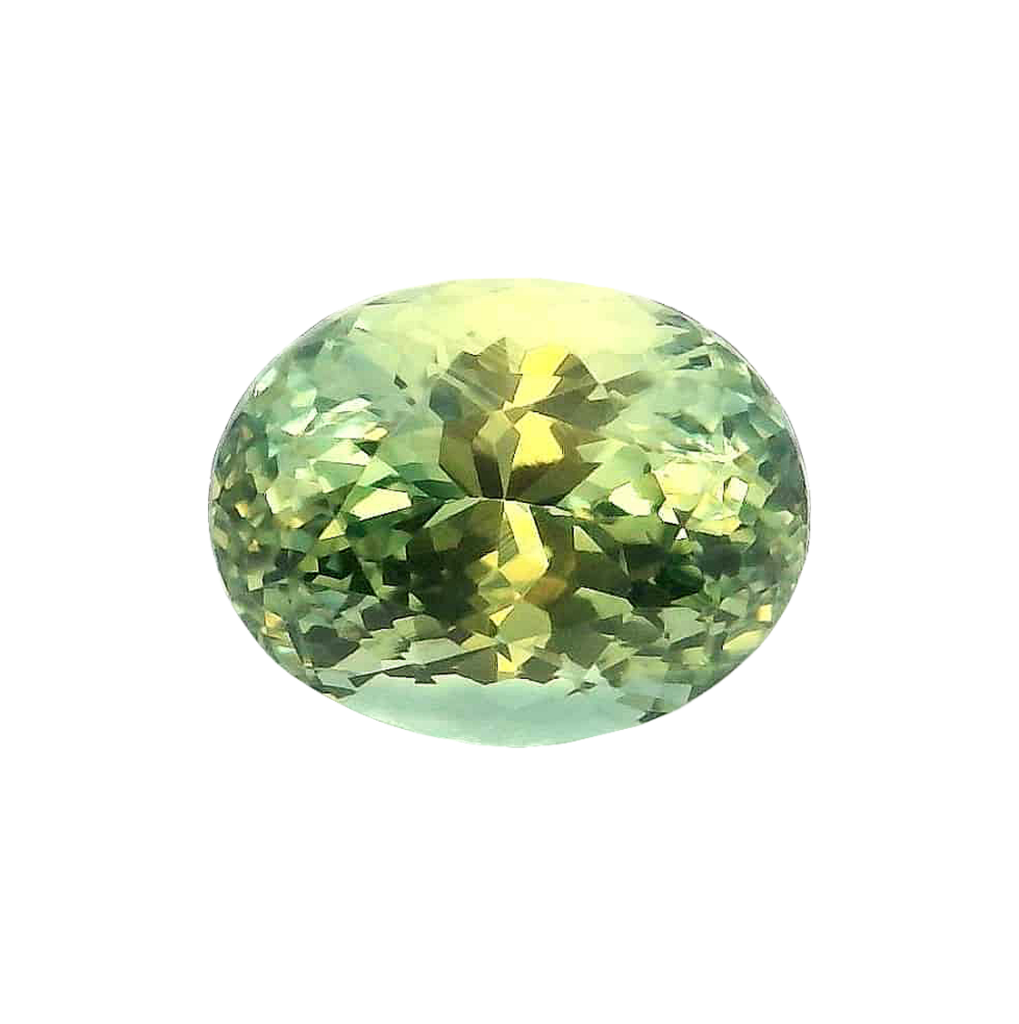
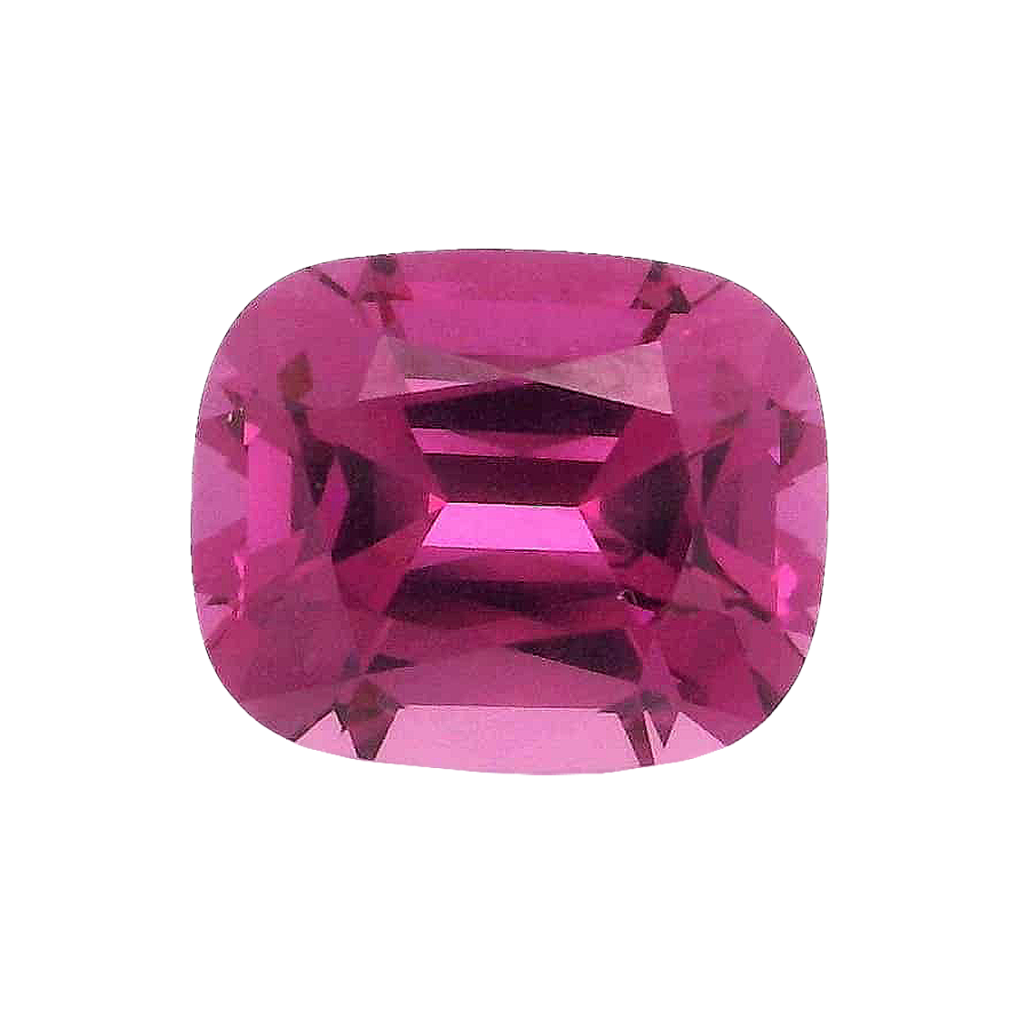
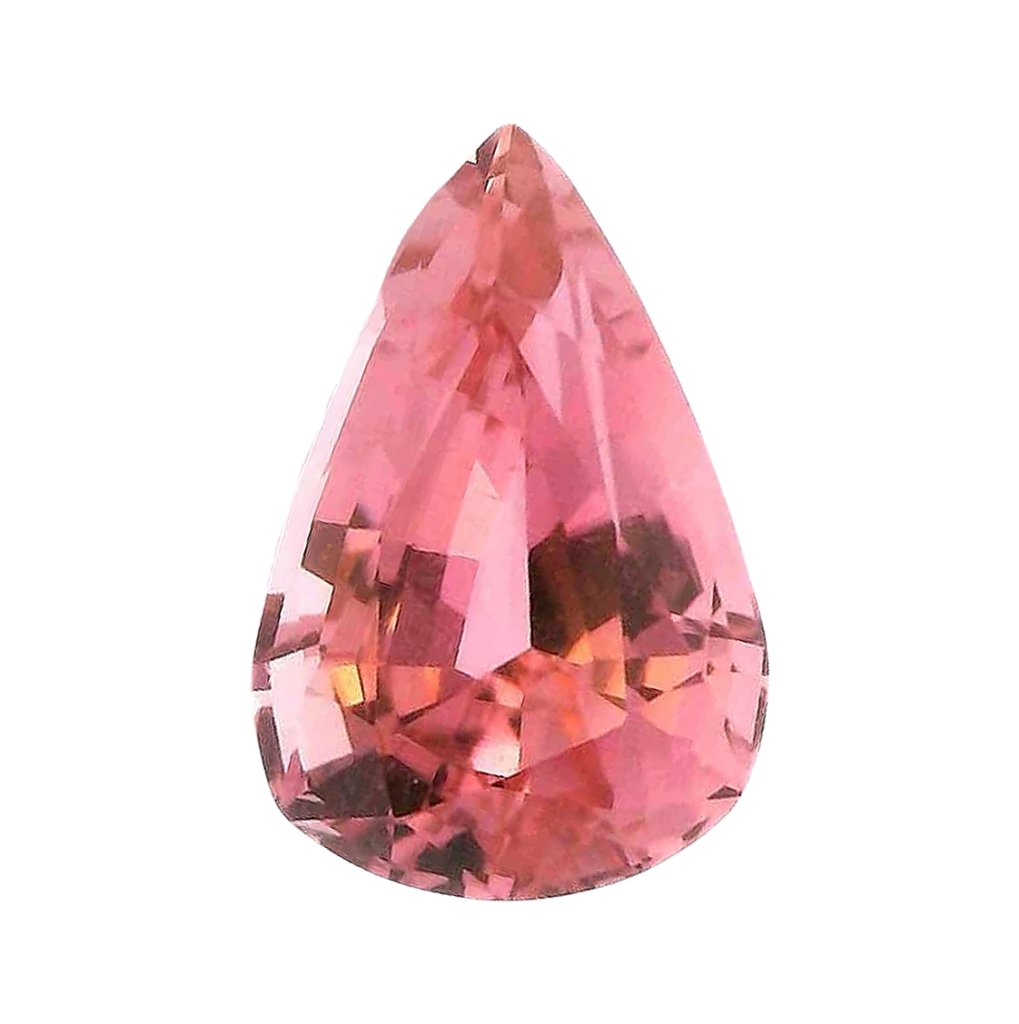
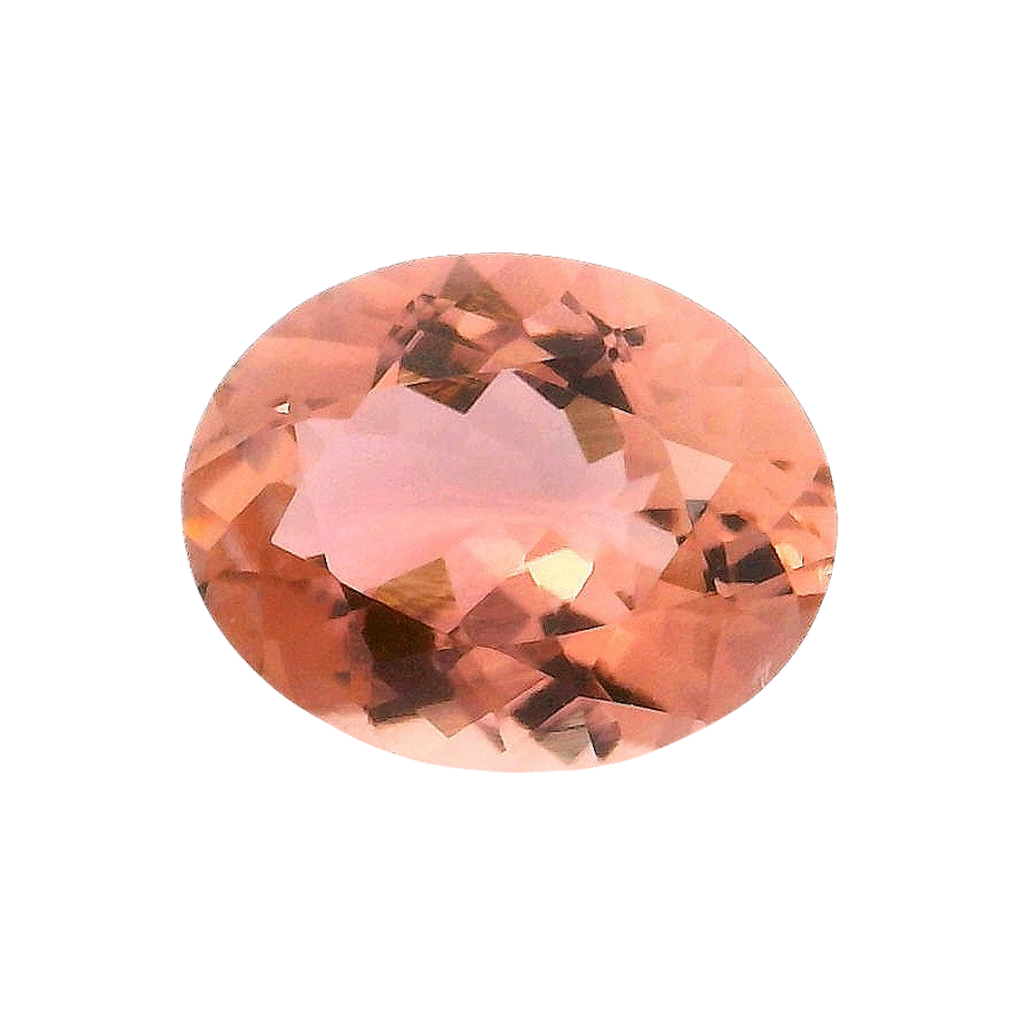
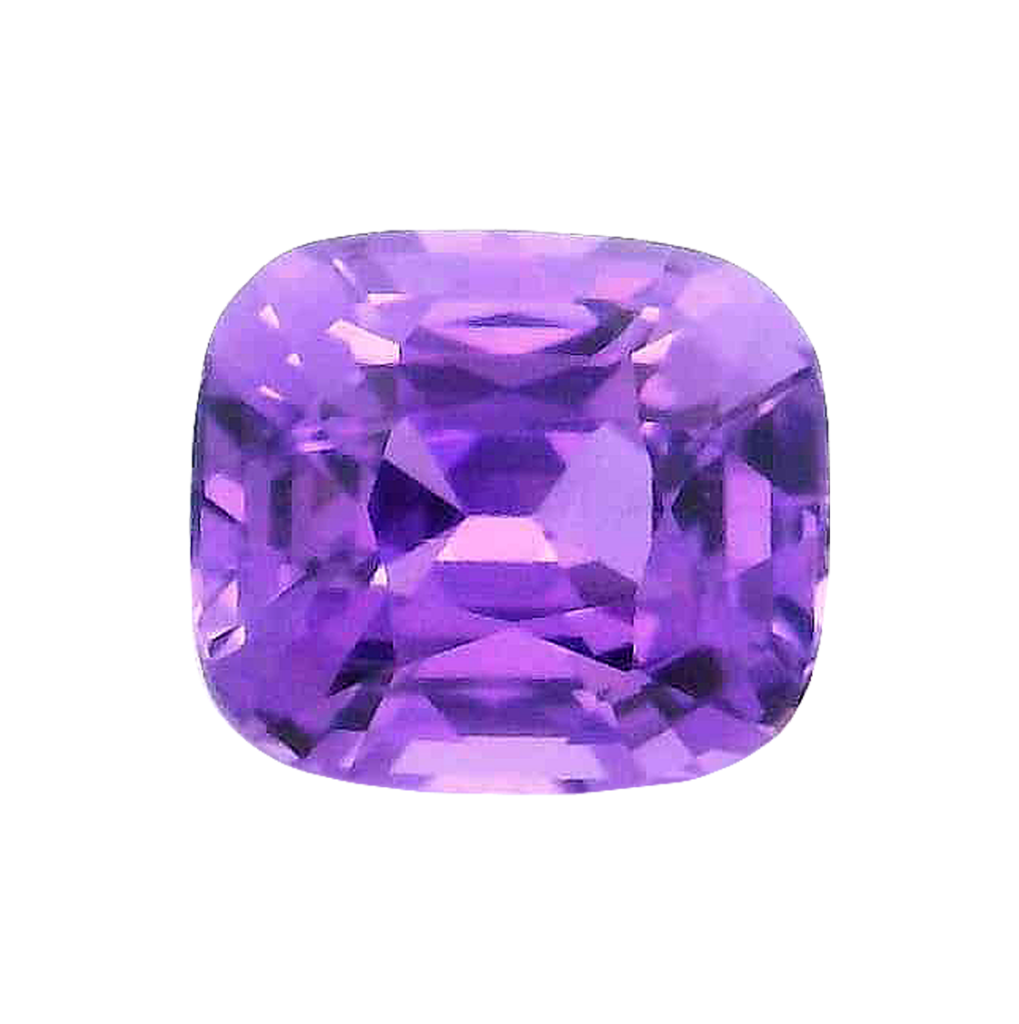
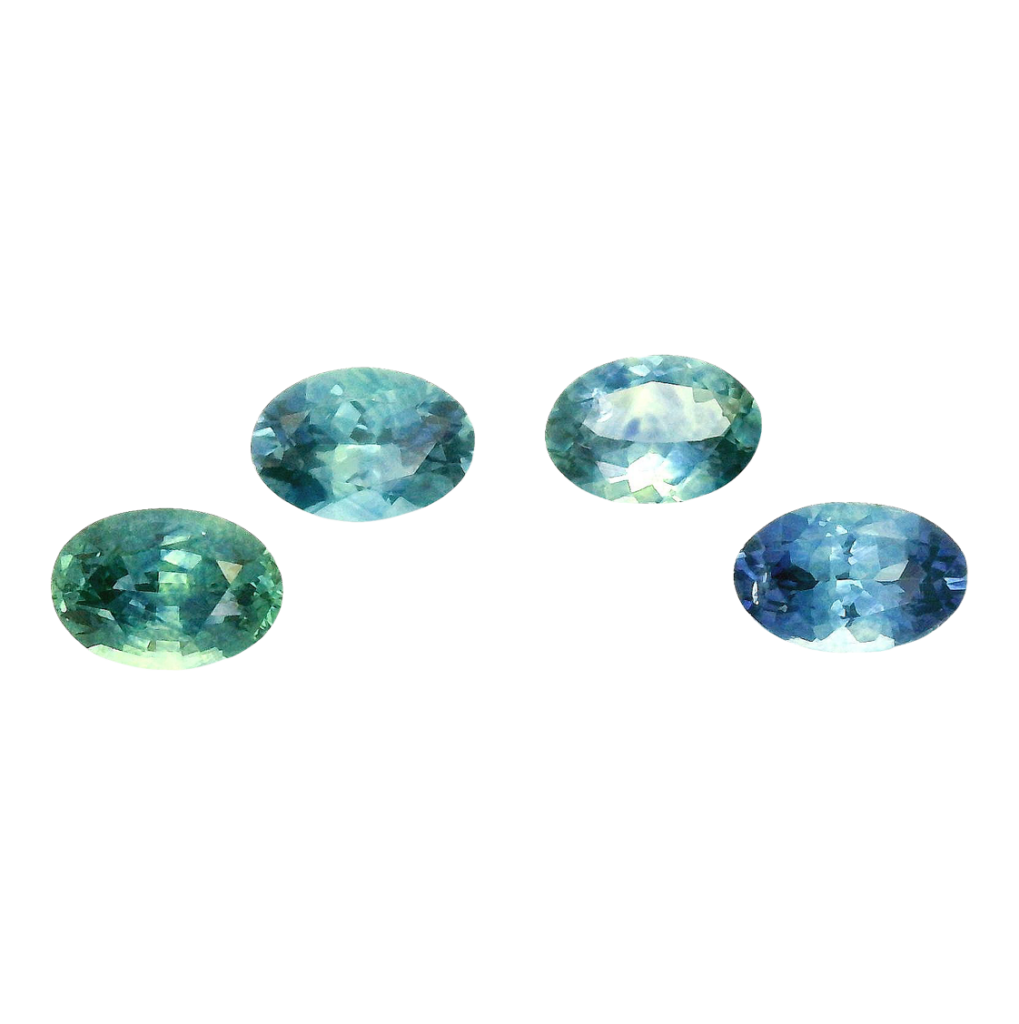
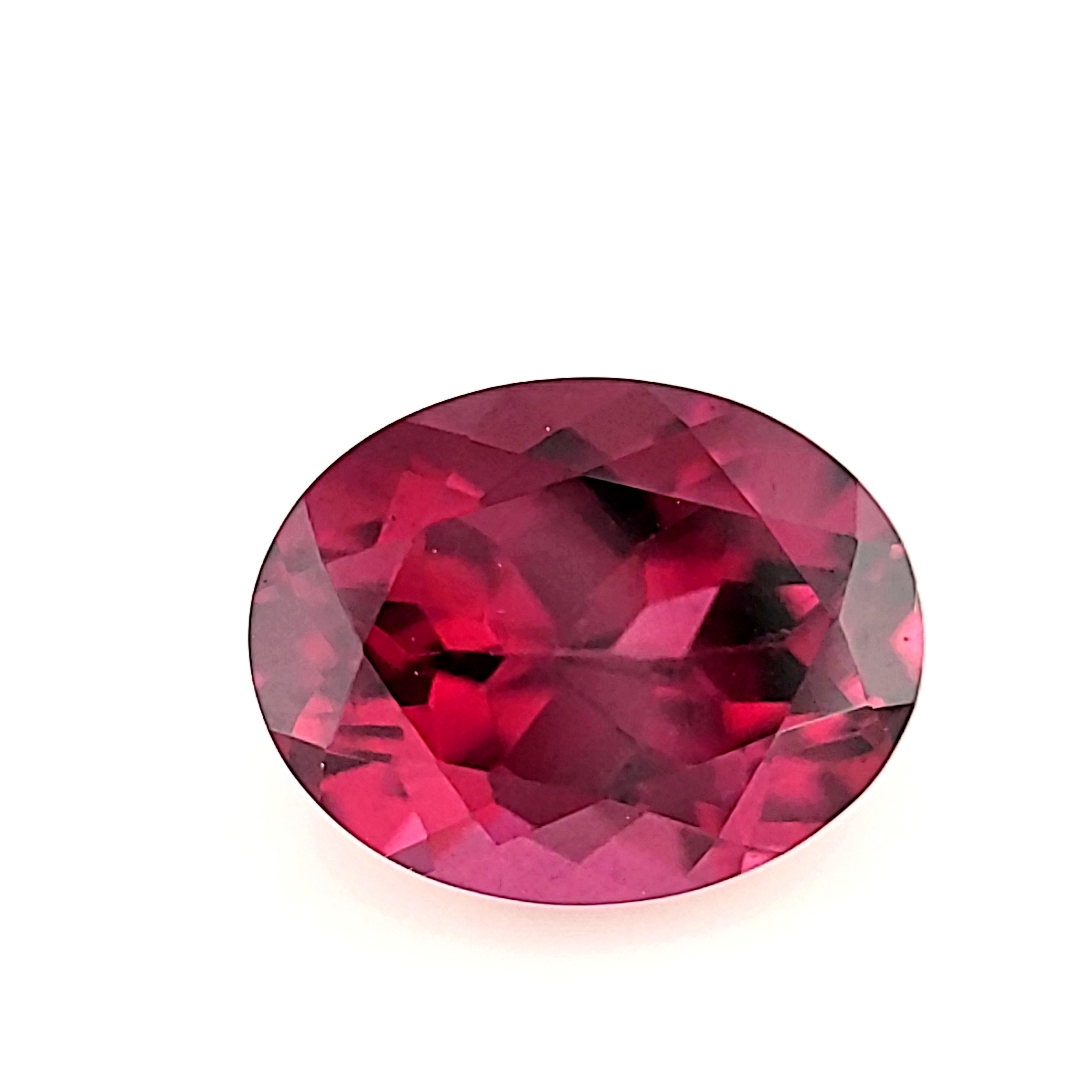
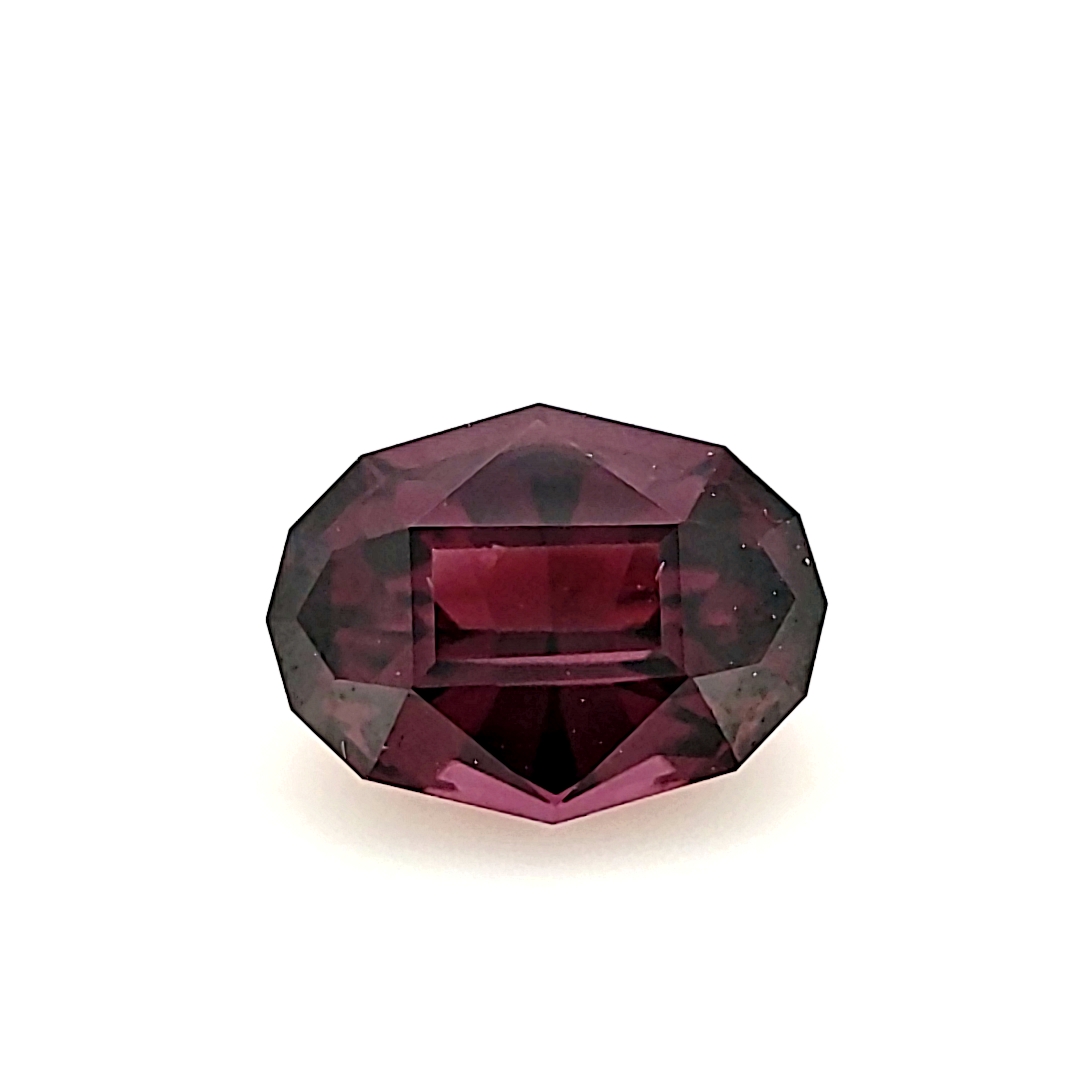
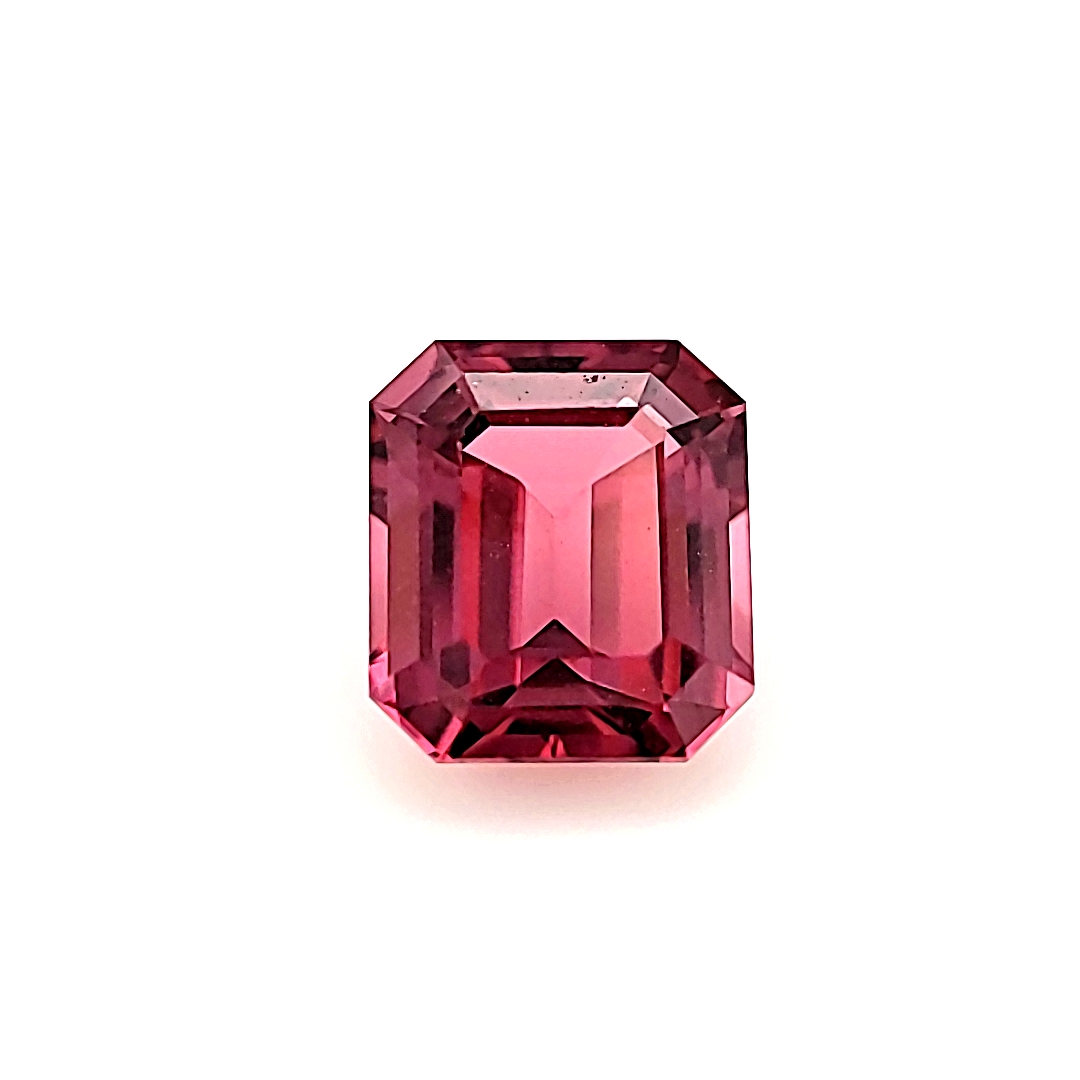
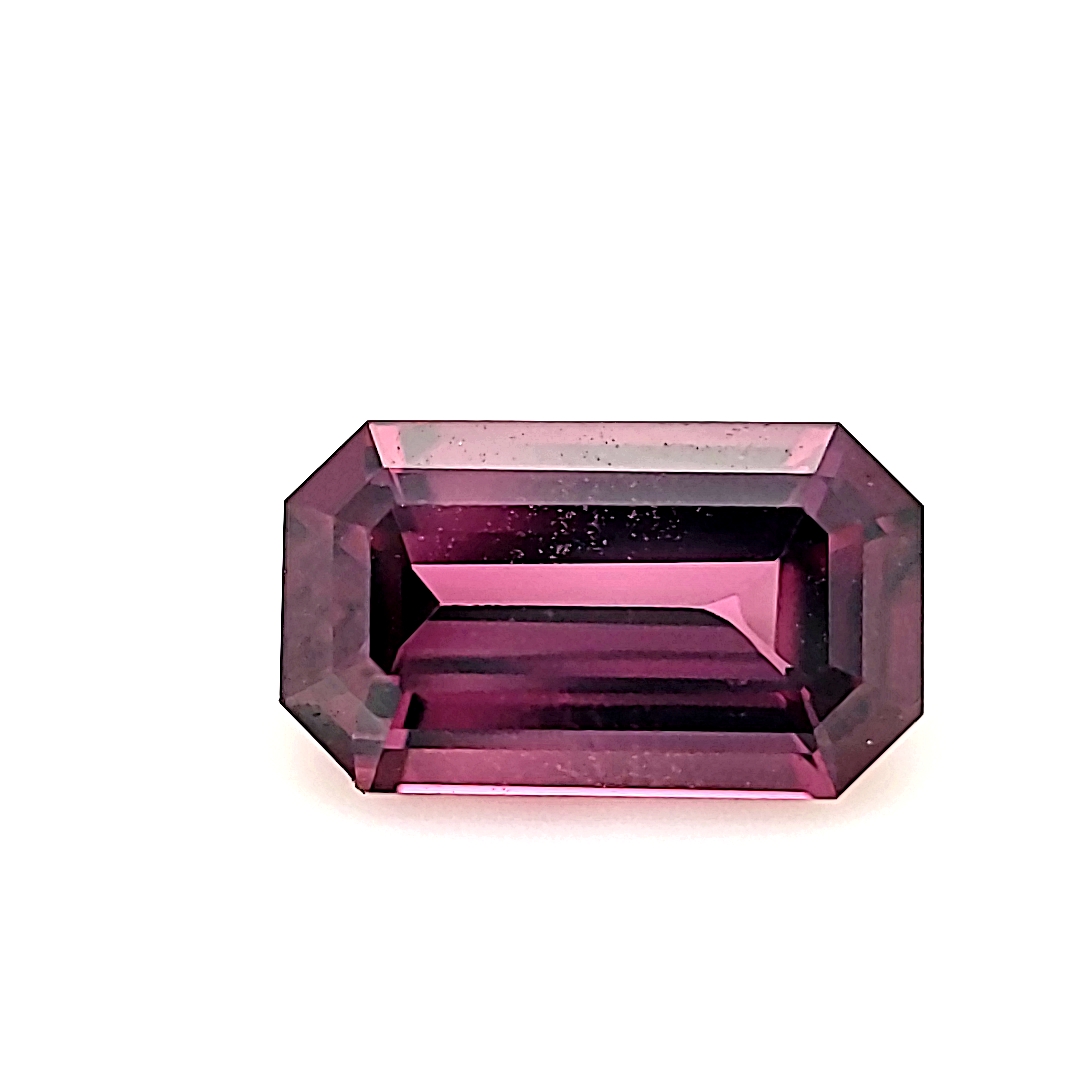
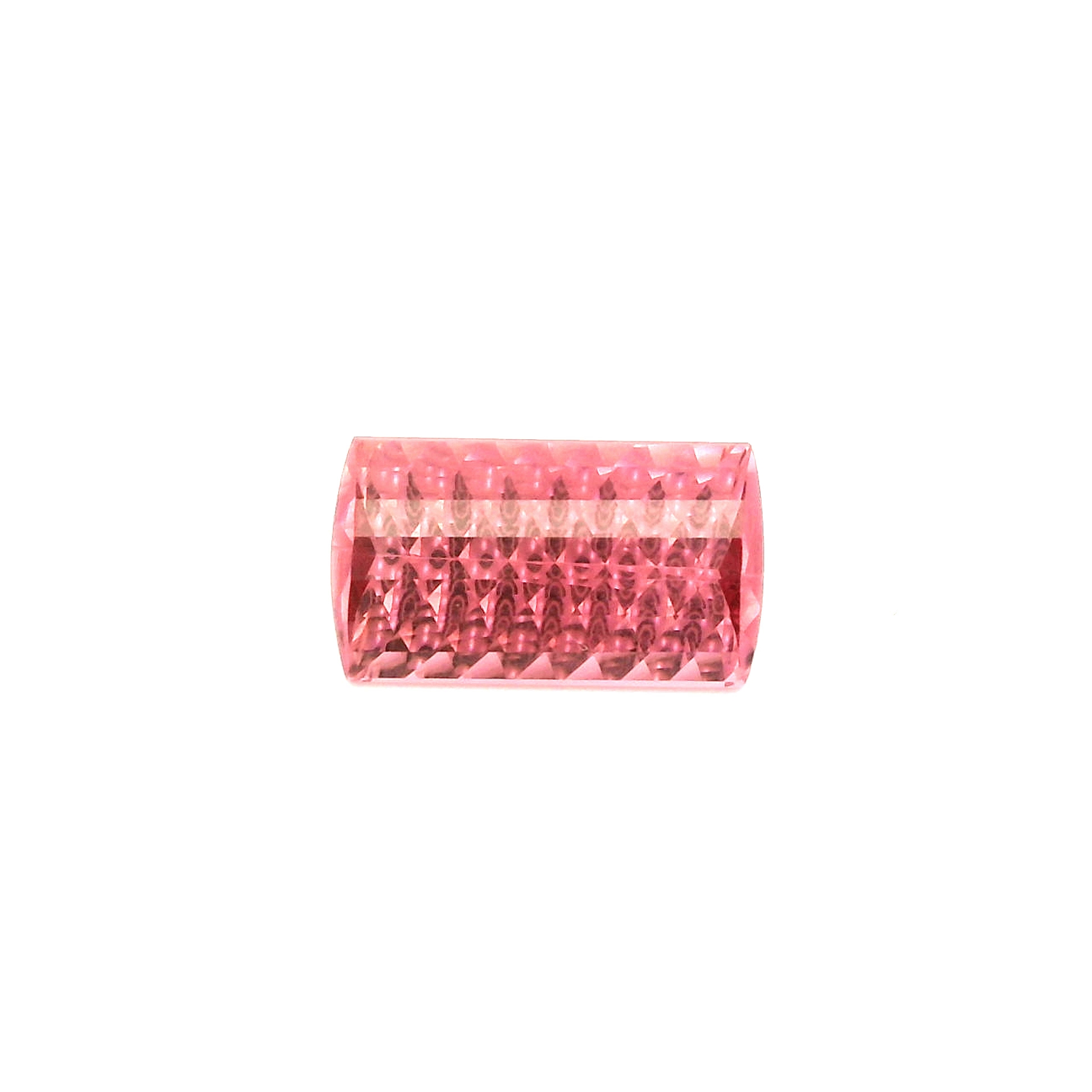
Three exquisite Montana Sapphires in the Noelle Habib inventory.
Consumer preferences are changing, and the story behind a gemstone is becoming just as important as the specifications on a certificate. Whether creating bridal jewelry, one-of-a-kind pieces, or designing a collection, the gemstone’s journey from mine to market is at the center of purchasing decisions. Clients want gemstones that contribute to the identity of a piece, not just its visual design. Montana Sapphire sits at the center of this shift, with its “Made in America” origin offering greater transparency around sourcing, ethics, and environmental impact.

As a second-generation gemstone dealer, with experience sourcing rough, and managing lapidary production Noelle Habib understands the value Montana Sapphire provides extends beyond its beauty and versatility in jewelry design. Its significance also lies in its traceable origin and the environmental standards that govern its extraction. This guide explores the geology, discovery, ethical considerations, and design applications of Montana Sapphires. It offers practical insight for emerging and established jewelers and jewelry designers working with this material, along with ways to tell the story that sells Montana Sapphires to clients.


The Discovery of Big Sky Country Sapphires

The story of Montana Sapphire begins over 150 years ago in the mid-1800s, when prospectors from across the USA and around the world rushed to Montana in search of gold. The discovery of Montana’s sapphires was a byproduct of this gold rush, as miners explored the rivers, gravel bars, and floodplains of Montana and found sapphire crystals among the gravel they panned. What began as a hunt for gold led to the discovery of what would later become one of the most distinctive American gemstone sources.
 
The Geology of Montana Sapphires
 
Inclusions within Montana Sapphire crystals have allowed scientists to determine that they formed around 50 million years ago in volcanic rock. Over time, these crystals were weathered out of their host rock and transported by natural processes.

Today, about 90% of Montana’s sapphires are found in alluvial deposits, carried over time by running water to riverbeds and floodplains, both active and dried up. This same water movement is responsible for erosion and sedimentary rock formation. Because the gemstones have been moved from where they originally formed, these are considered secondary deposits. Eldorado Bar and Rock Creek are alluvial secondary deposits, while Yogo Gulch is the only primary deposit source for Montana Sapphire, where stones are mined from hard rock deposits underground.
 
Heat treated rough Montana Sapphire crystals. Image courtesy of Hannah Becker.

Major Montana Sapphire Sources

A map of sapphire deposits in Montana. Eldorado Bar is part of the Missouri River deposits. Image courtesy of GIA.
 
The three most prominent sources of Montana Sapphire are the Eldorado Bar, Rock Creek, and Yogo Gulch deposits.
 
Eldorado Bar
 
Eldorado Bar was discovered as a sapphire deposit in 1865 by gold prospector Ed Collins, who found several sapphires among the gravel beds along the Missouri River, east of Helena, Montana. Unsure of his find, Collins sent samples of these rough sapphires to Tiffany & Co. in NYC, among others, for gemological identification. The stones were quickly identified as sapphires, but their pastel range of colors did not suit the jewelry trends of the time. The area continued to be mined for its lucrative gold deposits and historic mining continued in the gravel beds along the Missouri River until 1947.
 
Because this mining was focused on gold, much of the sapphire material in the area was left unrecovered. A recorded six million carats of sapphires were mined from Eldorado Bar by miner Sam Speestra between 1988 and 1993. Small-scale mining continues along the Missouri River deposits, including Eldorado Bar, today. Very little virgin gravel remains, so most miners work sifting through tailings leftover from the 1940s operations, this process it is well-suited for small-scale artisanal mining and individual prospecting.

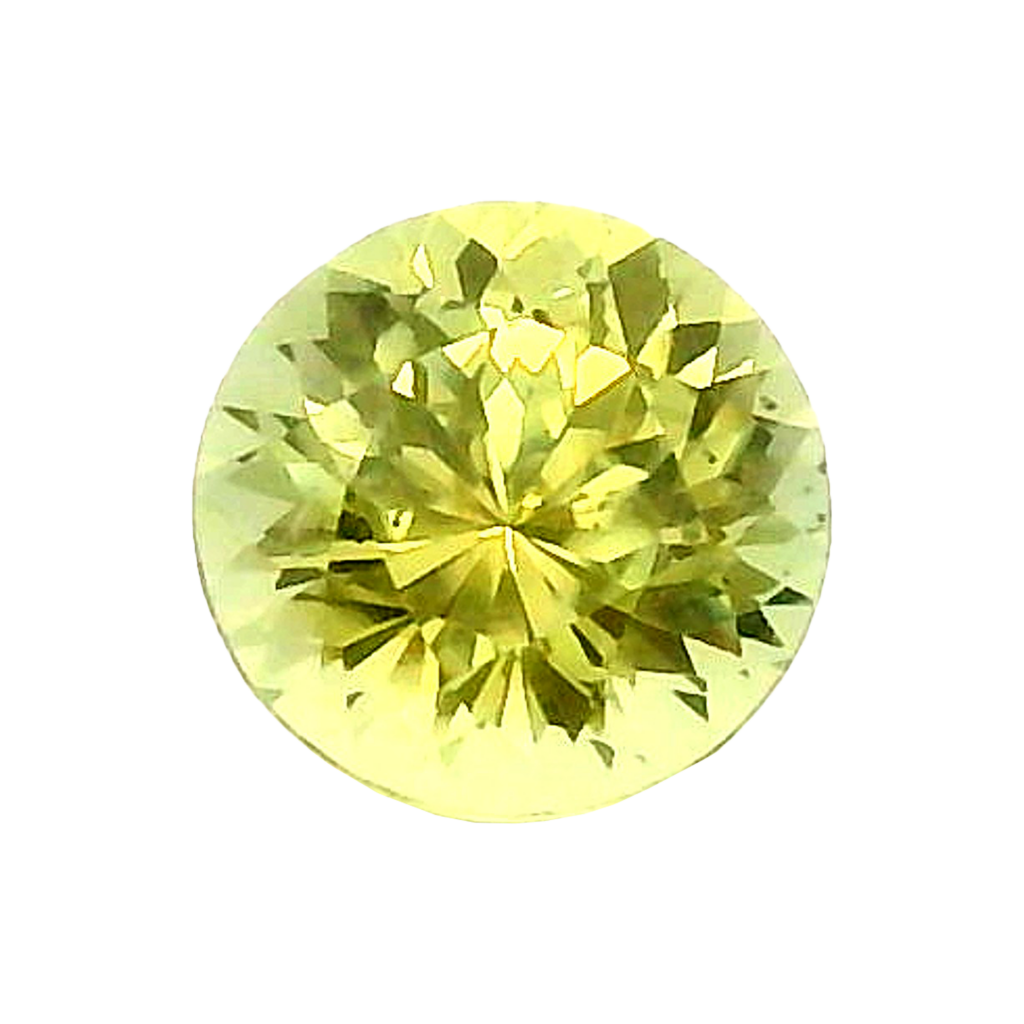
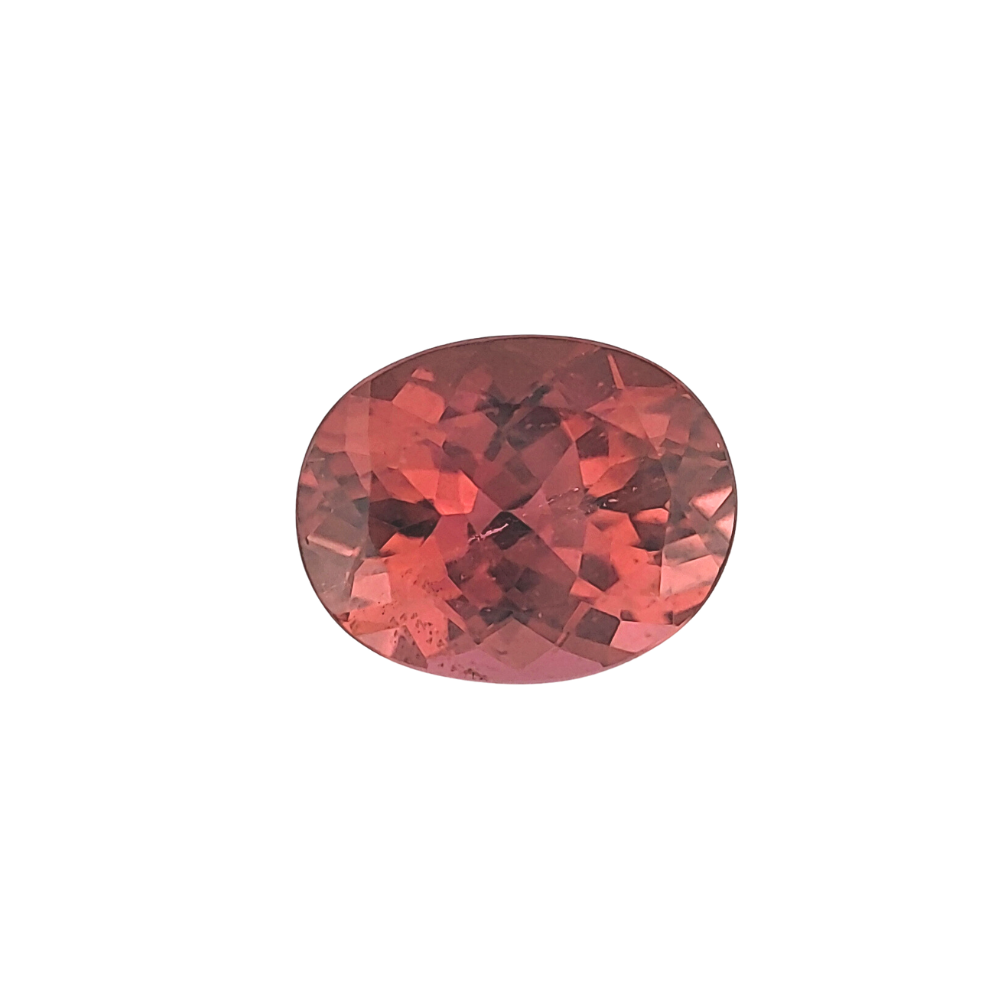
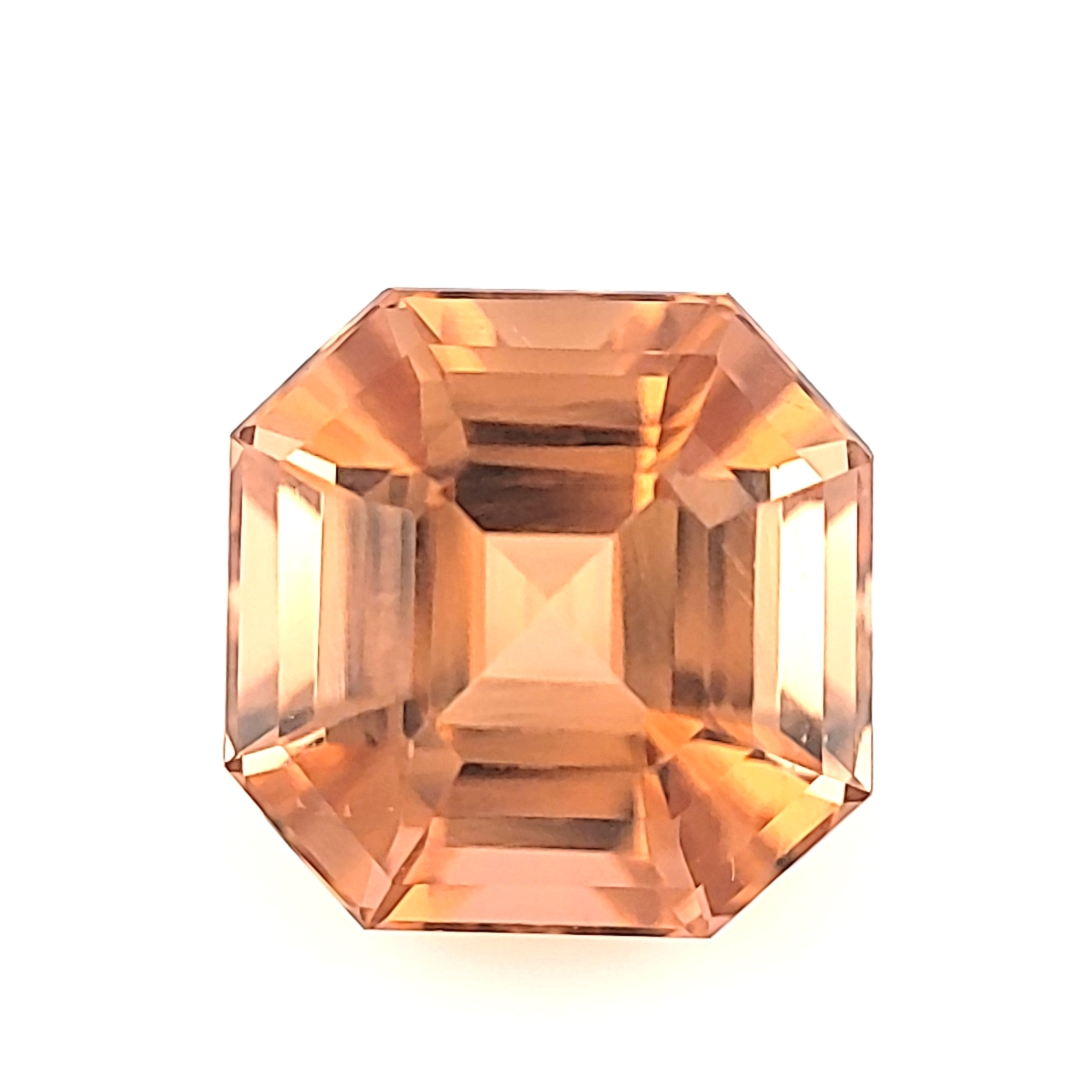
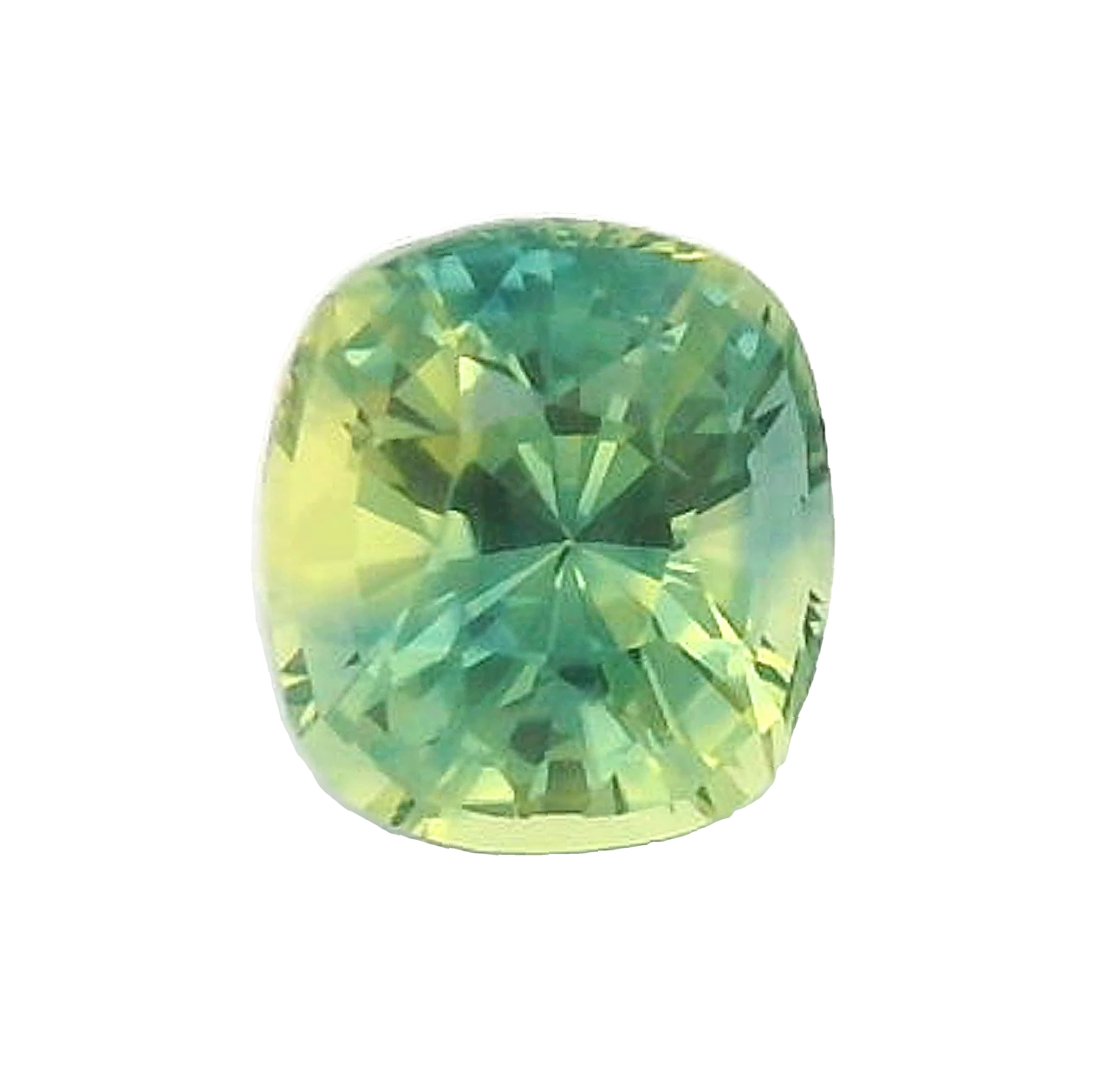
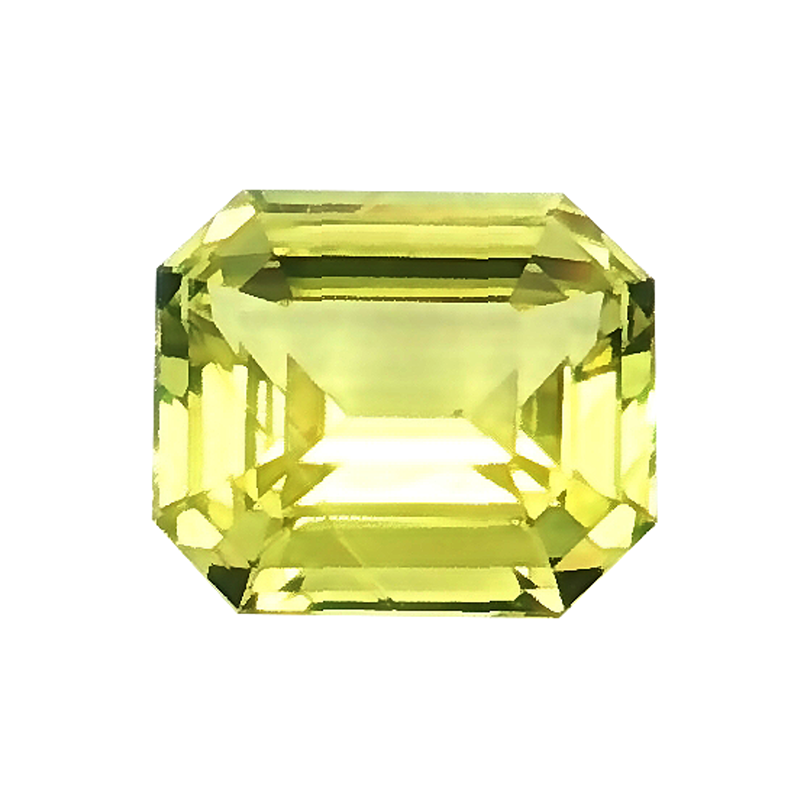
Eldorado Bar sapphires are typically light or pastel in color with high clarity, and the average rough size is 5 to 8 mm (approximately 2 carats), though larger sizes are not uncommon. Their clean clarity doesn’t necessitate heat treatment, allowing them to be faceted while maintaining their soft pastel tone. While most material is blue, green, and teal, fancy colors such as pale pink, lavender, and yellow can also be found. Eldorado Bar is responsible for some of the largest sapphires found in Montana, including stones over 40 carats.
 

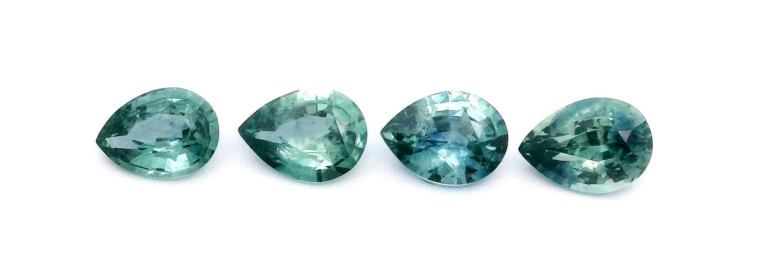
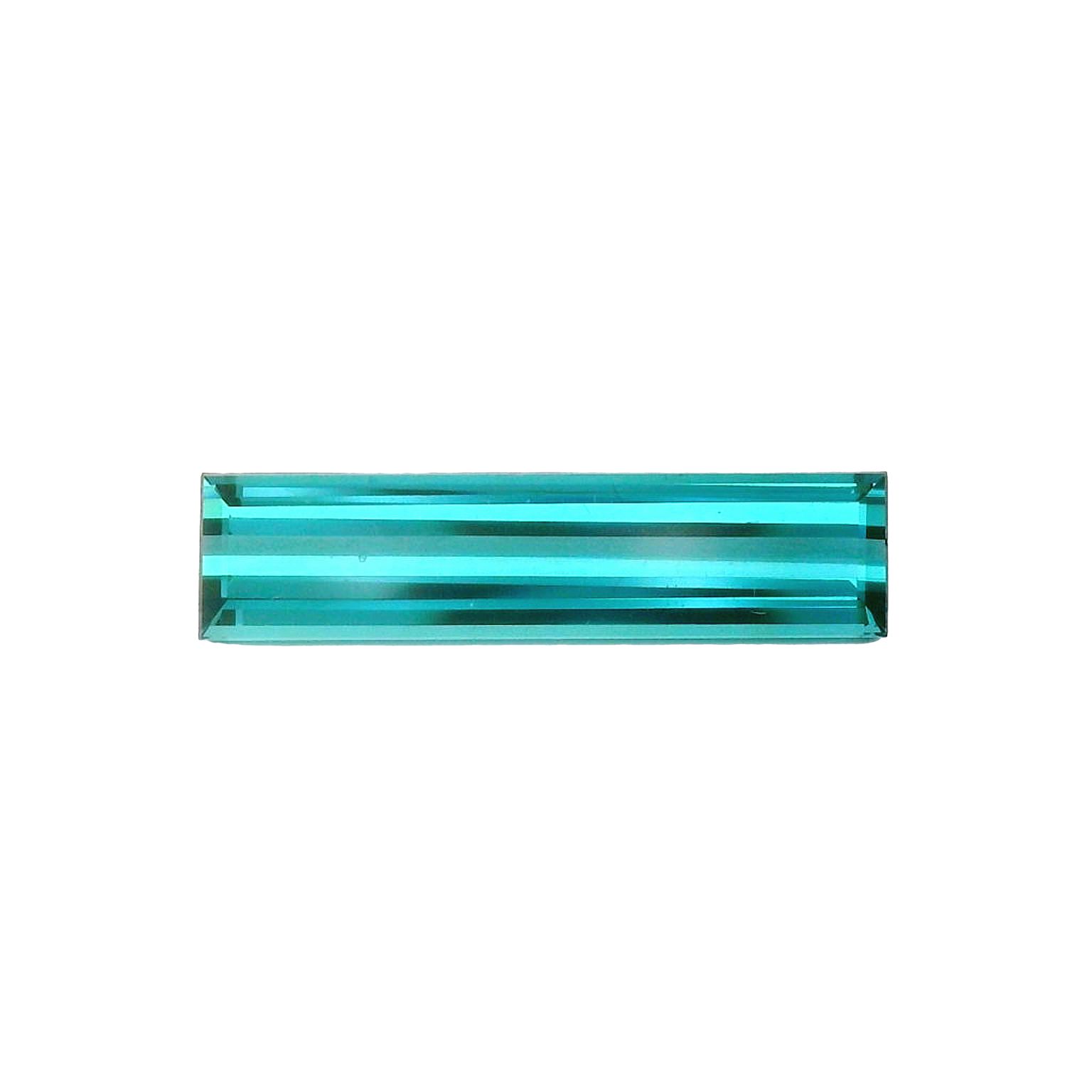
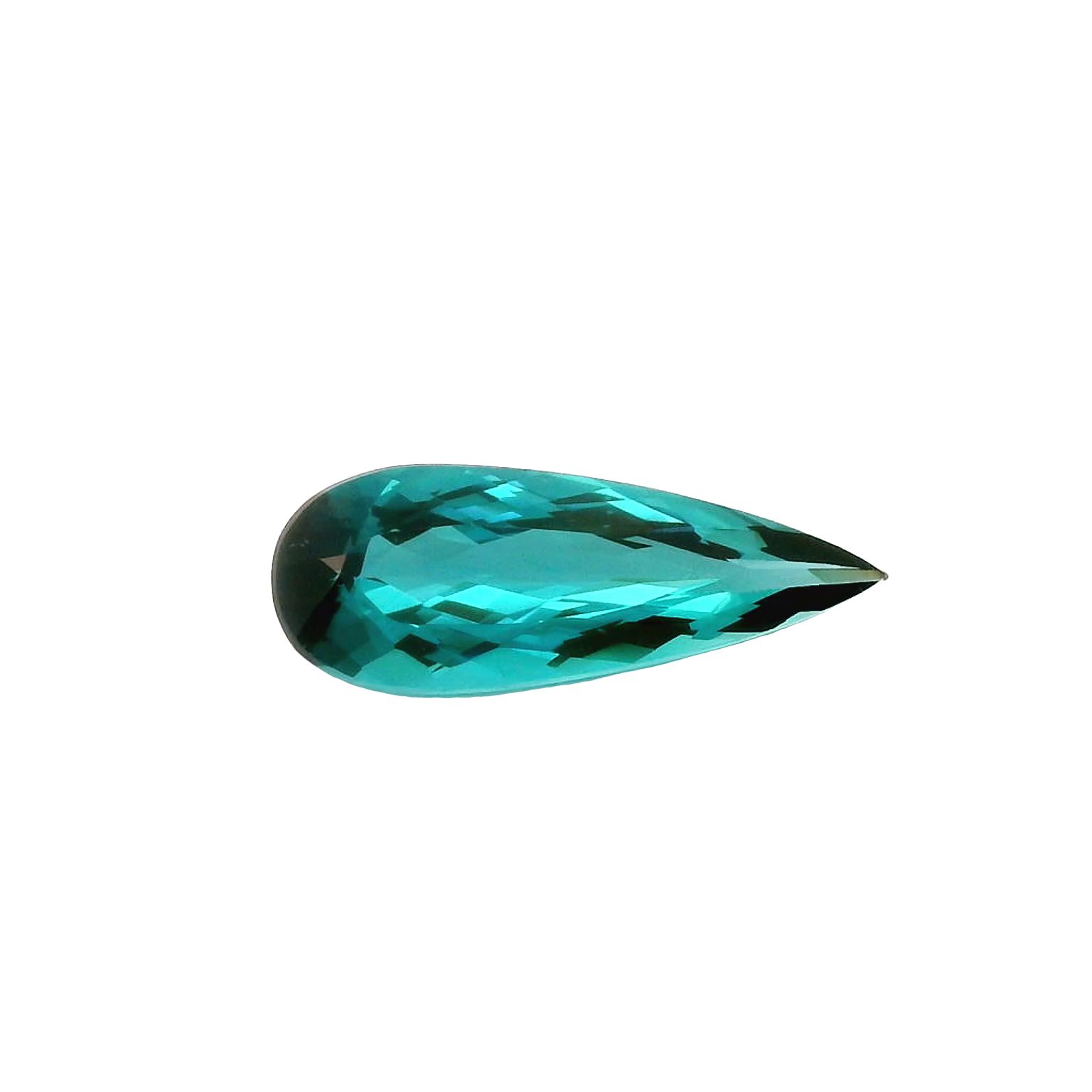
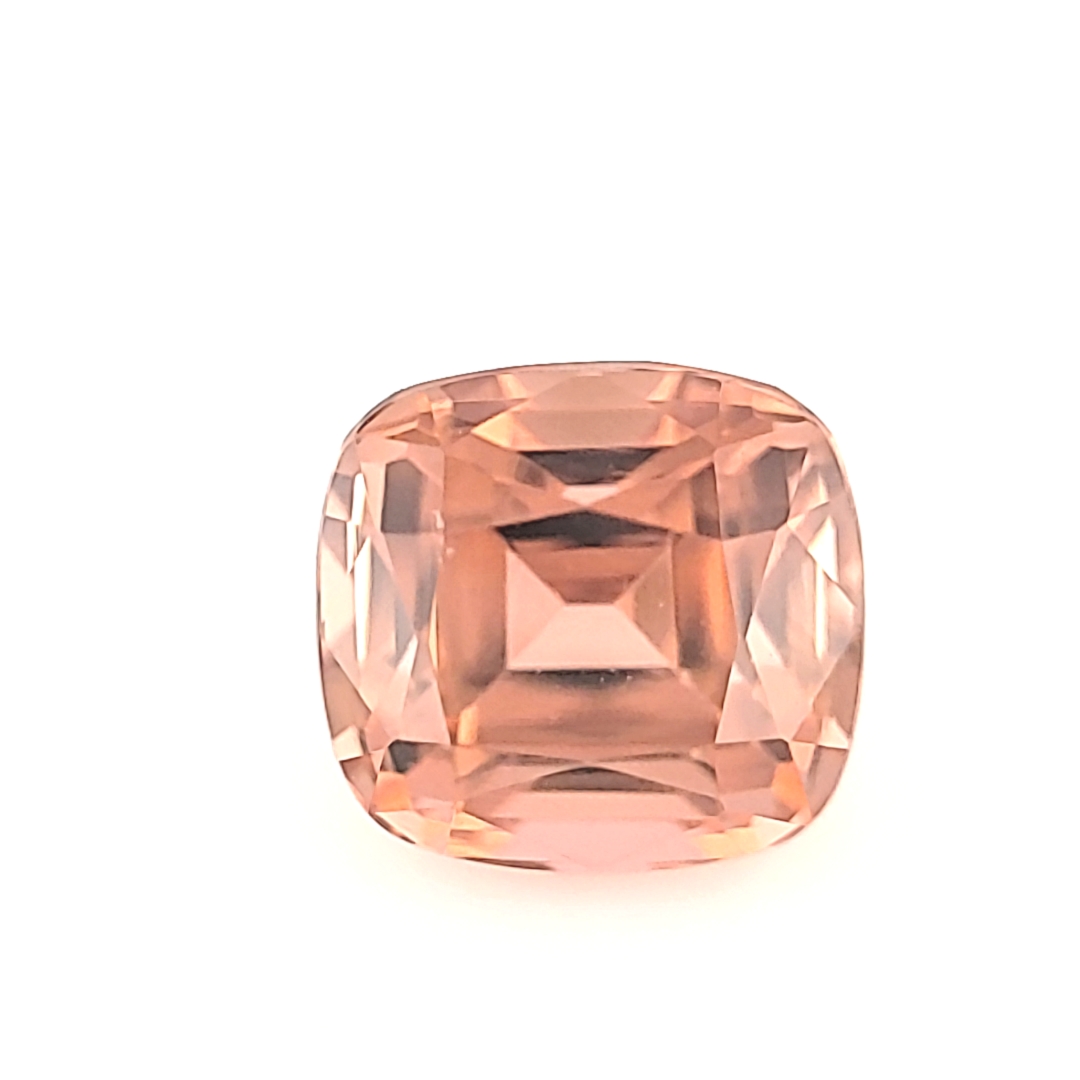
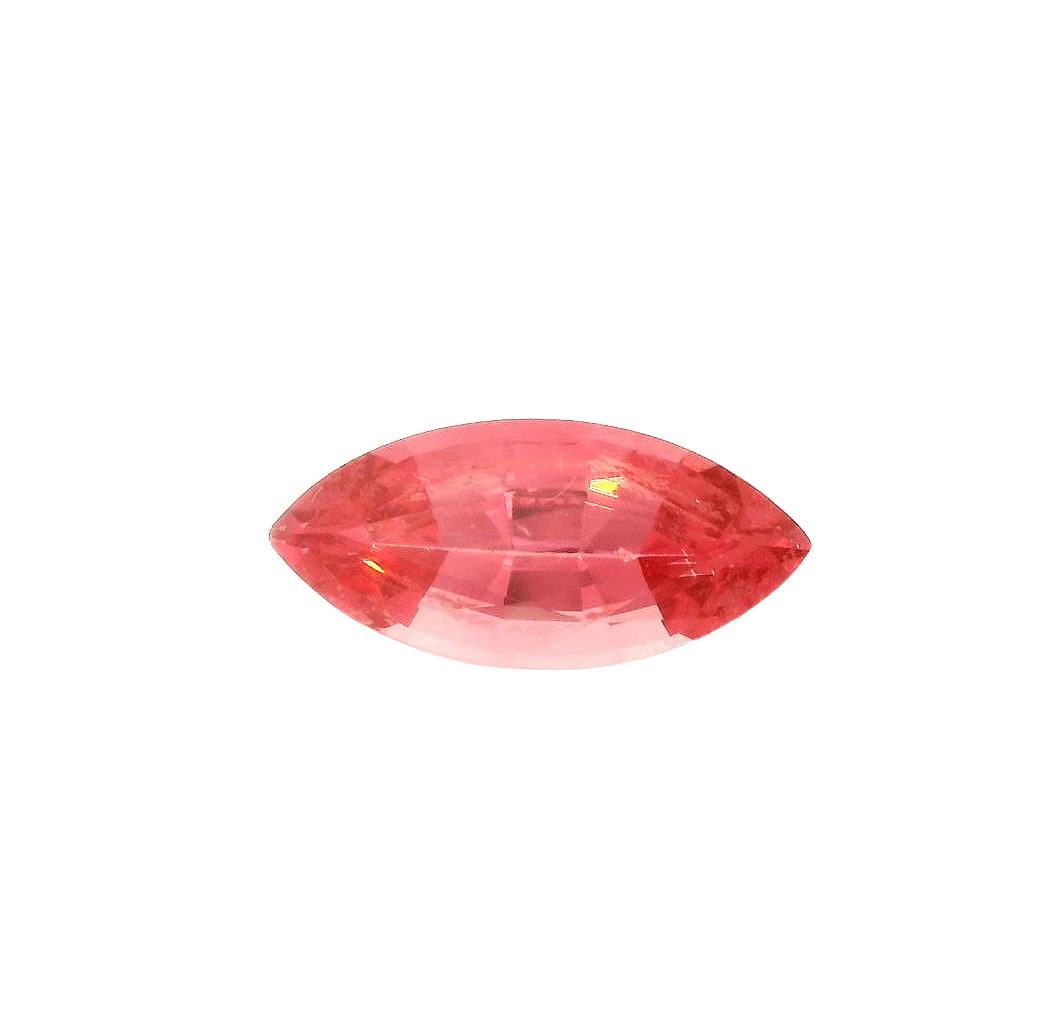
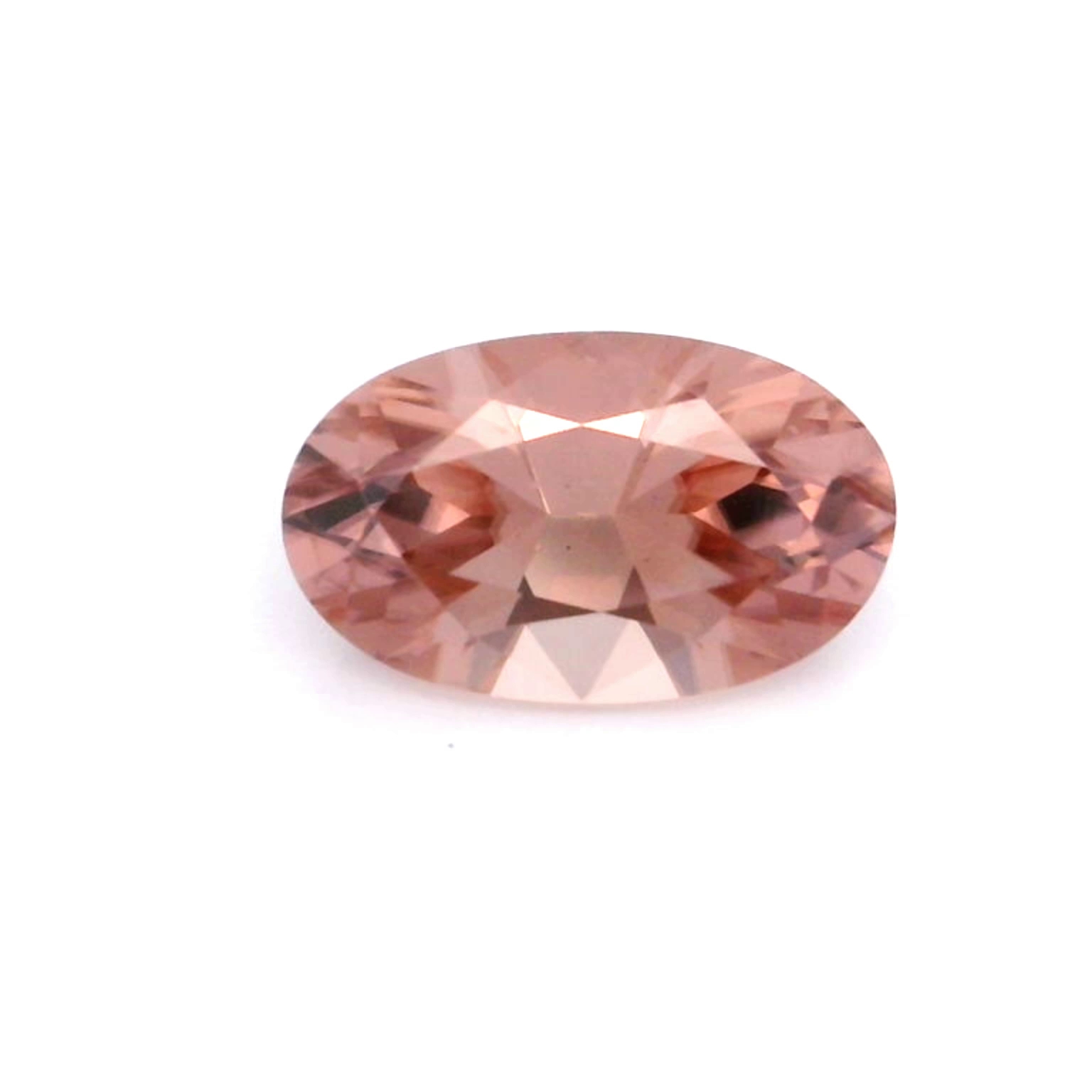
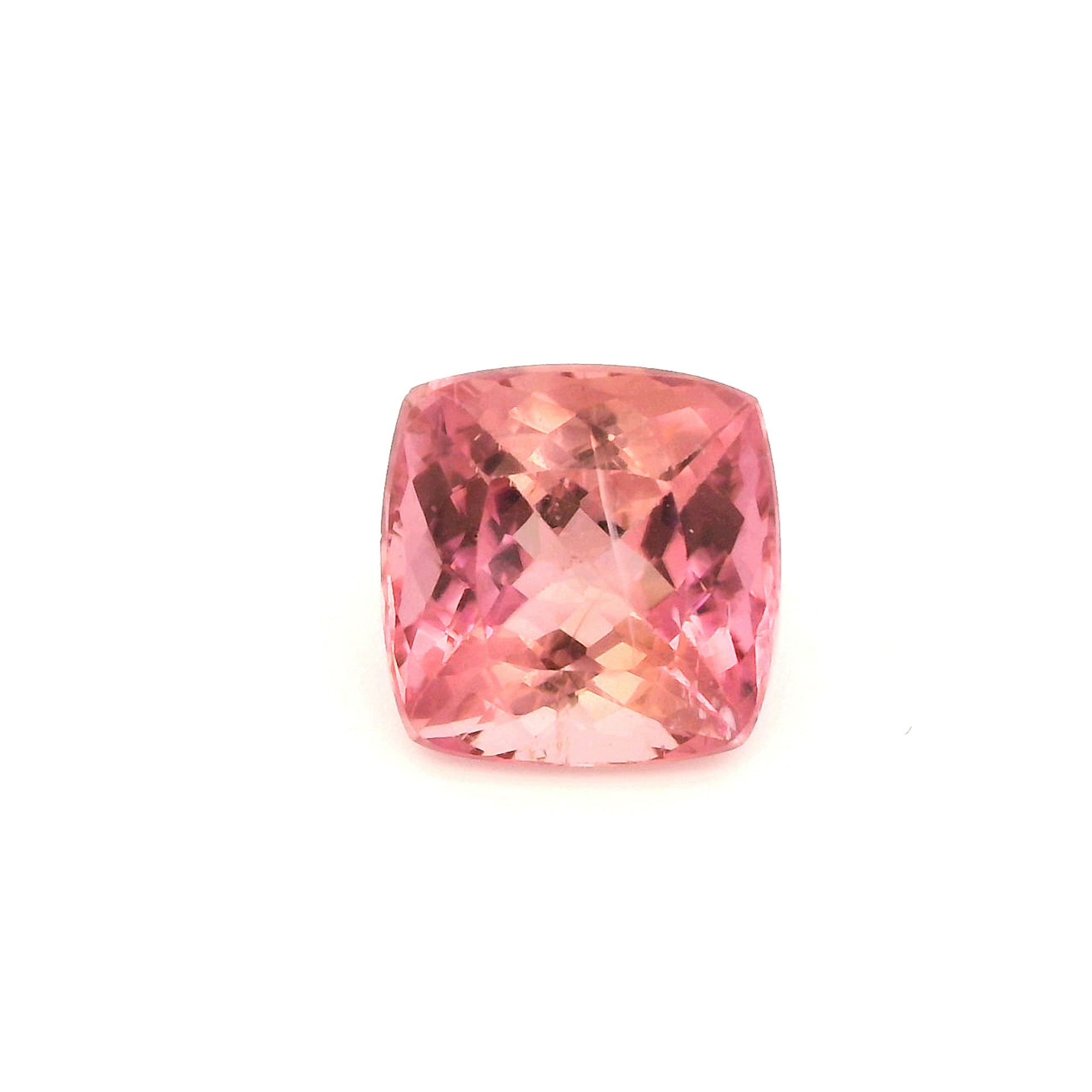
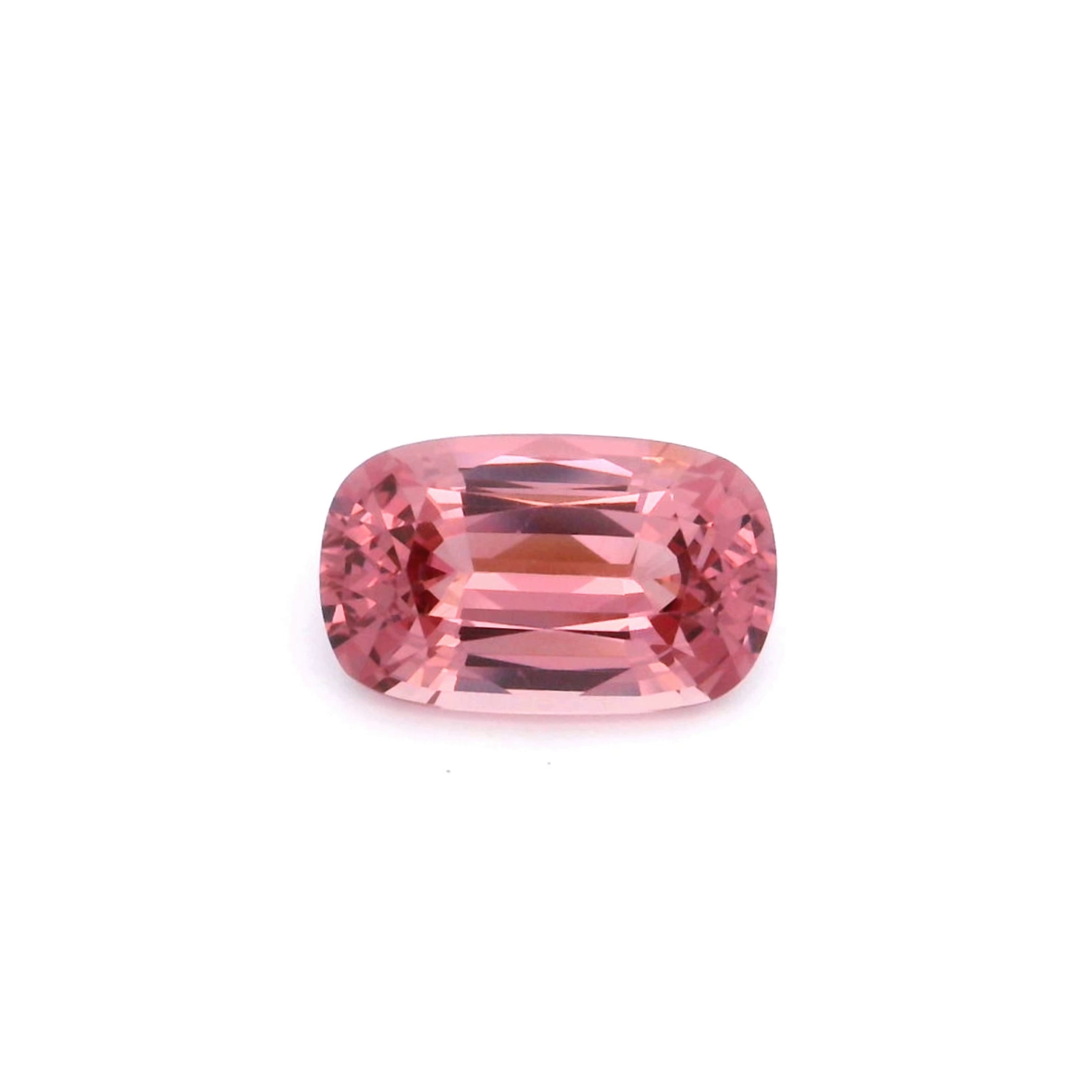
A selection of our  Eldorado Bar Montana Sapphires:

Rock Creek
 
The discovery of sapphires in Rock Creek in 1892 is attributed to two men who are believed to have made their discoveries around the same time: Emil Meyer, a German immigrant, and M.H. Bryan Sr. of Philipsburg. Bryan is often highlighted, as his story includes finding bright stones while panning for gold and giving the best of them to his grandchildren to play with. Regardless of who made the first discovery, the sapphires at Rock Creek were quickly recognized as valuable for use in mechanical parts and watch bearings. This industrial demand, along with continued gold mining, drove activity in the area through the 1920s. The development of synthetic sapphire in the 1920s and 1930s, with its consistent quality and color range, reduced the need for Montana Sapphire mining at Rock Creek.
 
High-temperature heat treatment for sapphires was developed in Thailand in the 1970s. This stable treatment transformed pale and milky sapphires into rich, vibrant blue hues with improved color and clarity. By the 1980s, sapphire mining had resumed at Rock Creek as this material could be heat treated to excellent results. Mining continues today, with a majority of activity carried out by Potentate Mining.
 
Rock Creek is widely considered the most productive sapphire deposit in Montana, exceeding the combined output of all other deposits by close to a factor of ten.
 
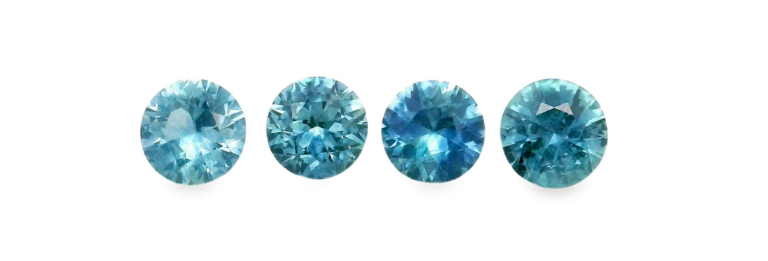
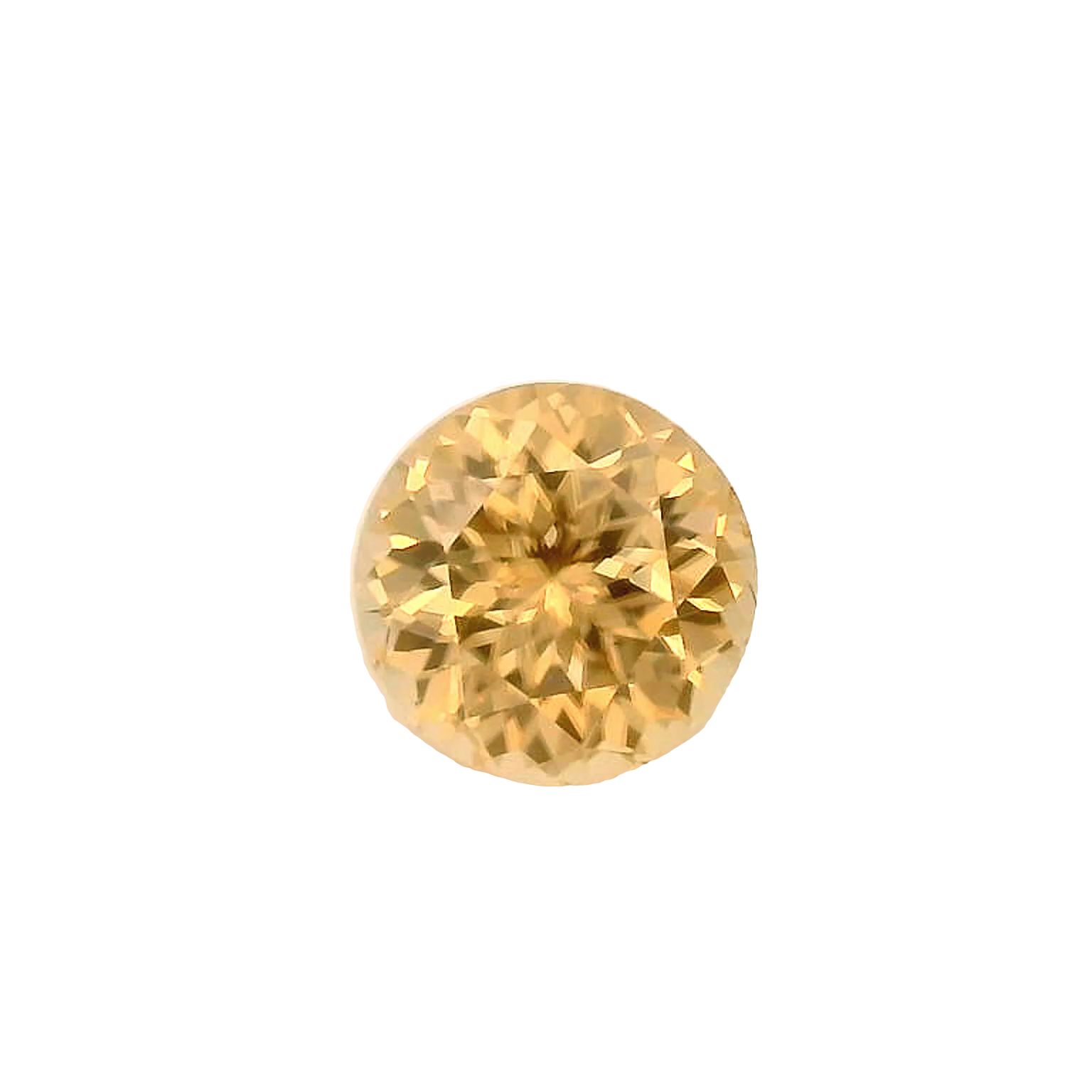
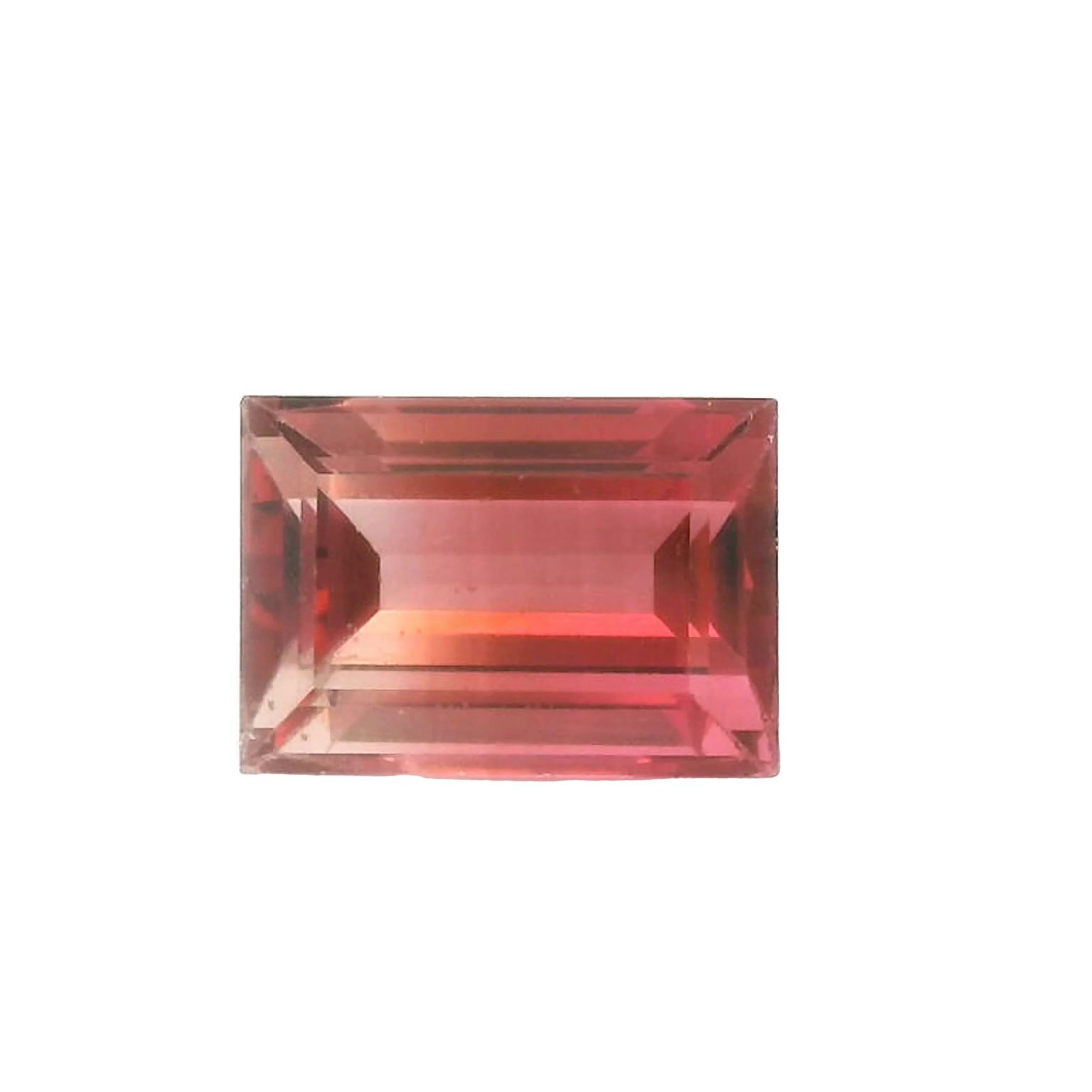
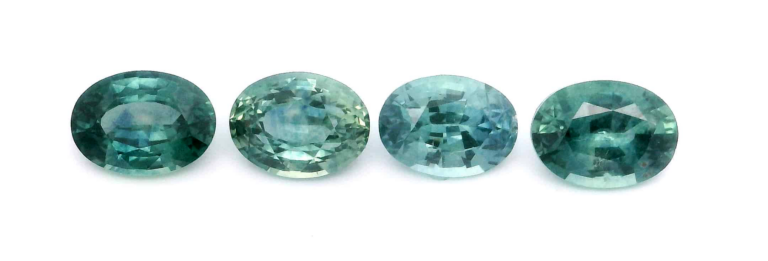
Rock Creek sapphires are medium-hued and found in a wide range of colors that become vivid when heat treated, including blue, green, teal, yellow, orange, pink, purple, and parti-color. Most stones are under 1 carat, and the material’s abundance and consistency make it well suited for calibrated production. Rock Creek sapphires often contain light to moderate rutile silk, and both the clarity and the color improve significantly with heat treatment. As a result, Rock Creek sapphires the most commonly heat-treated Montana Sapphire material.


A selection of our Rock Creek Montana Sapphires:

Yogo Gulch
 
Yogo Gulch is unique among Montana deposits as the only primary source, where sapphires are mined in the location where they formed. In 1895, the Yogo Gulch deposit was discovered by Jake Hoover, a local rancher turned prospector, who realized he had found something special when he discovered shiny blue pebbles among the gold in his sluice. Hoover sent samples for identification, and they eventually made their way to Tiffany & Co. in NYC, where Dr. George Frederick Kunz, considered America’s first gemologist, identified the material as sapphire and declared Yogo sapphire “the finest precious gemstones ever found in the United States.” Tiffany purchased a cigar box of Yogo sapphires from Hoover for $3,750, a remarkable return compared to the $700 worth of gold he found that same year.
 
Rough and faceted Yogo sapphires. Image courtesy of GIA.
 
Yogo Gulch sapphires are the rarest of Montana’s sapphires. They are mined from hard rock underground, a labor-intensive and expensive process. Competition from more prolific sapphire sources producing similar colors, such as Sri Lanka, has made mining at Yogo Gulch less financially viable, increasing its rarity in the market. Sapphires from Yogo Gulch are often referred to as Yogo Sapphires rather than Montana Sapphires, and are typically cornflower blue, blue-violet, violet, and purple in color. These crystals have exceptional clarity alongside vivid color, which eliminates the need for enhancement. The strong likelihood that Yogo sapphires are untreated adds to their rarity and value. They are typically found in small sizes, around 1.5 to 3.0 mm, and weigh less than 0.5 carats. Yogo Sapphires weighing 1 carat or more are extremely rare and highly desirable as collector stones.
Montana Sapphire Comparison: Eldorado Bar vs Rock Creek vs Yogo Gulch
Deposit Size Colors Clarity Treatments
Eldorado Bar Average 0.5–2 ct, produces some of Montana’s largest sapphires (40+ ct) Pastel to medium-tone blue, green, yellow, pink, and parti-color High clarity, minimal rutile Frequently heat treated to improve color saturation and reduce unwanted green or yellow tones
Rock Creek Average under 1 ct, well suited for calibration Blue, green, teal, yellow, orange, pink, purple, and parti-color Light to moderate rutile, clarity improves with treatment Commonly heat treated to enhance color and clarity, especially in blue and teal stones
Yogo Gulch Average 0.1–0.5 ct, rare over 0.75 ct Cornflower blue, blue, violet, and purple High clarity Typically not treated due to naturally strong color and clarity
Treatments
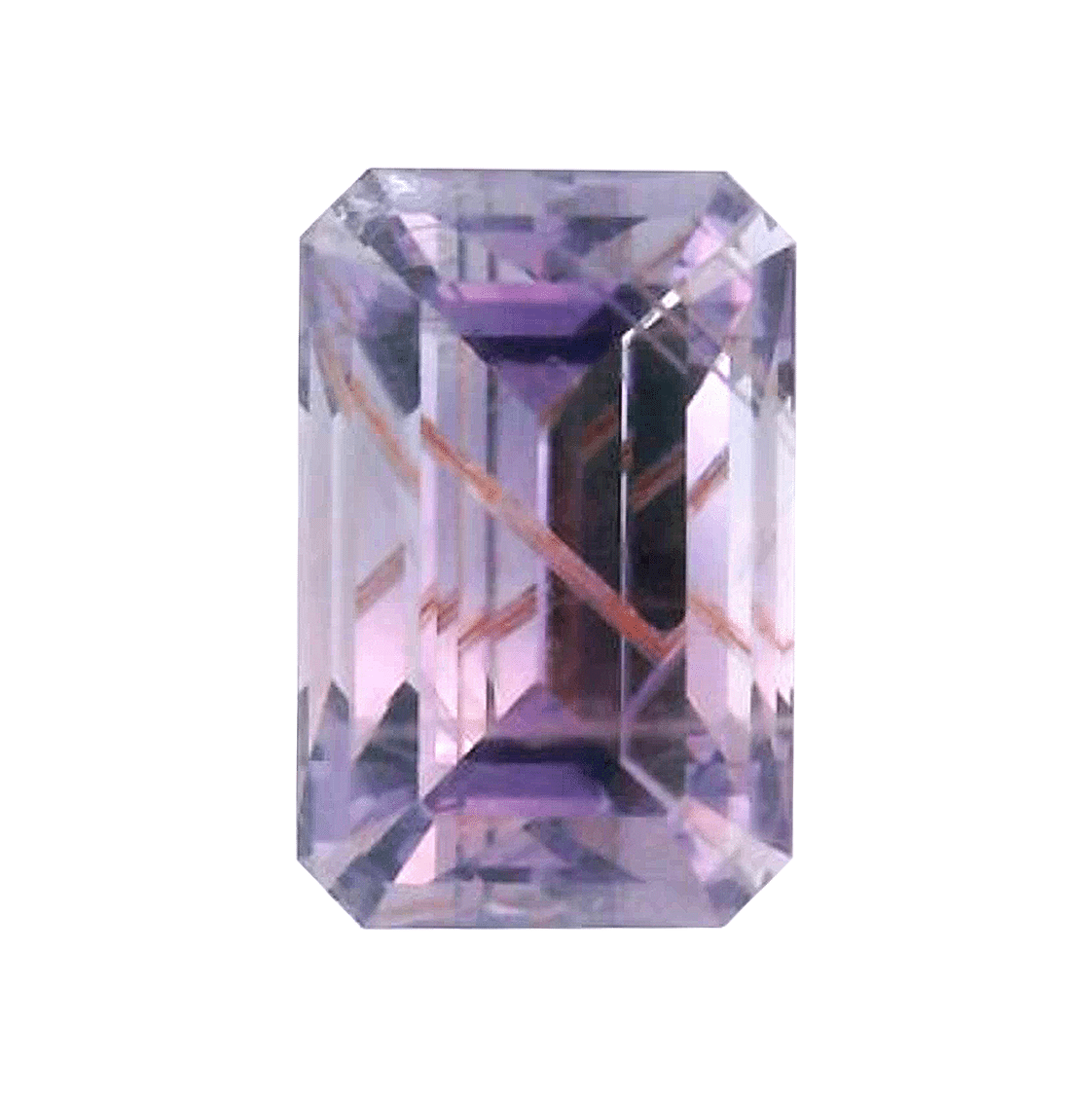
In line with global production, about 90% of Montana sapphires are heat treated. Heat treatment is a stable, industry-accepted permanent process that dissolves rutile needle inclusions, improving clarity and developing richer color in the stone. Montana Sapphires are heated up to temperatures of 2044ºC and then slowly cooled. This process may be repeated multiple times over several days to achieve the desired result.
Environmental Impact & Mindful Sourcing

Mining projects in Montana are required to go through a permitting process that includes an environmental impact review and the submission of a detailed land restoration plan, which must be followed and funded to rehabilitate the site after mining is complete. Unlike mining done abroad, Montana operations are also regulated by local and U.S. federal labor laws and worker protections. Together, these laws and regulations offer greater assurance to our clients and consumers that Montana Sapphires provide not only beautiful gemstones, but also peace of mind.
 
Mine to Market Sourcing
 
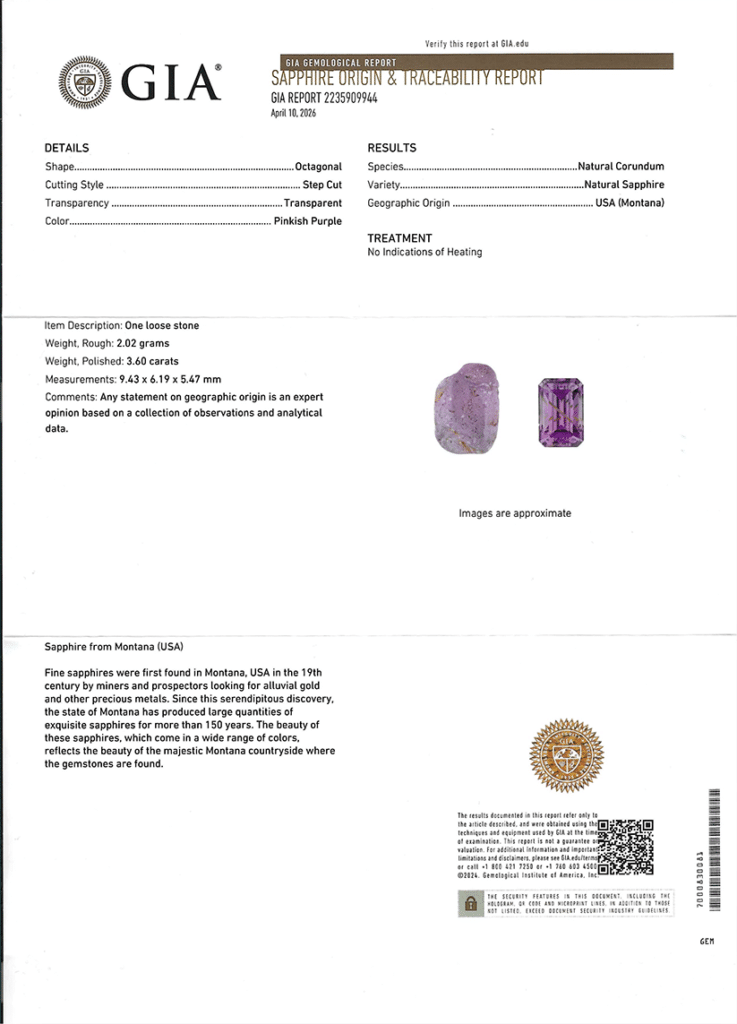
As consumers become more educated and interested in the stories behind the gems in their jewelry, the mine-to-market journey of a gemstone has become part of the sales conversation, particularly among Millennial and Gen Z consumers. Our relationships with stakeholders in Montana mining operations allow us to trace the journey of Noelle Habib stones. We can track the chain of custody from the rough crystal being unearthed to its precision cutting and the final quality control inspection in our San Francisco office. This eliminates any supply chain blind spots where stones pass through multiple unidentified middlemen before reaching the jeweler.

Tips for Designers Working with Montana Sapphires

Bridal and Meaningful Designs

Montana Sapphires are popular as center stones in bridal jewelry, especially within the alternative bridal design category. They are often selected for one-of-a-kind engagement rings and bespoke pieces where meaning and storytelling are central to the design. Their origin story can be woven directly into the piece, adding significance to jewelry meant to mark an important occasion. Montana Sapphires also offer a more affordable alternative to natural diamonds at comparable sizes. Their geological journey from formation to discovery adds depth and character, offering a contrast to lab-grown diamonds.
 

Versatility in Cutting Styles
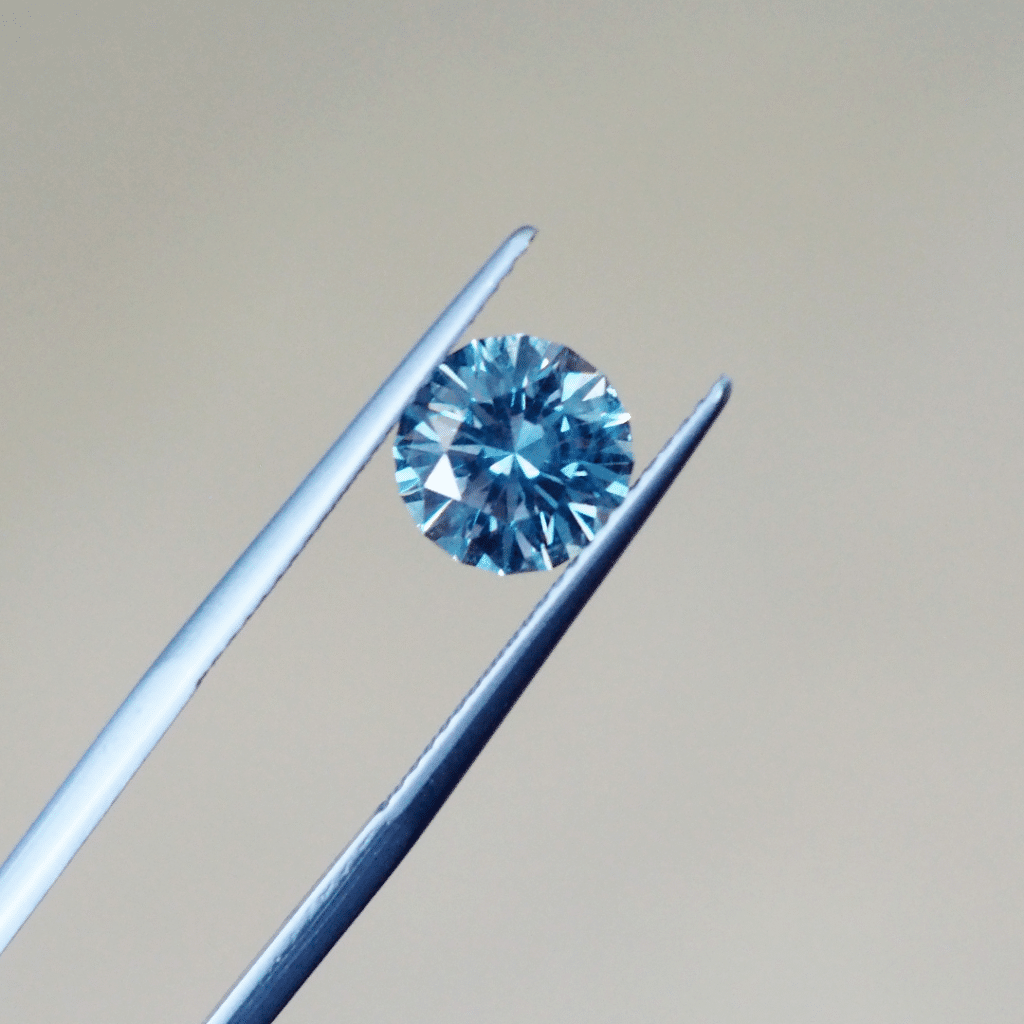
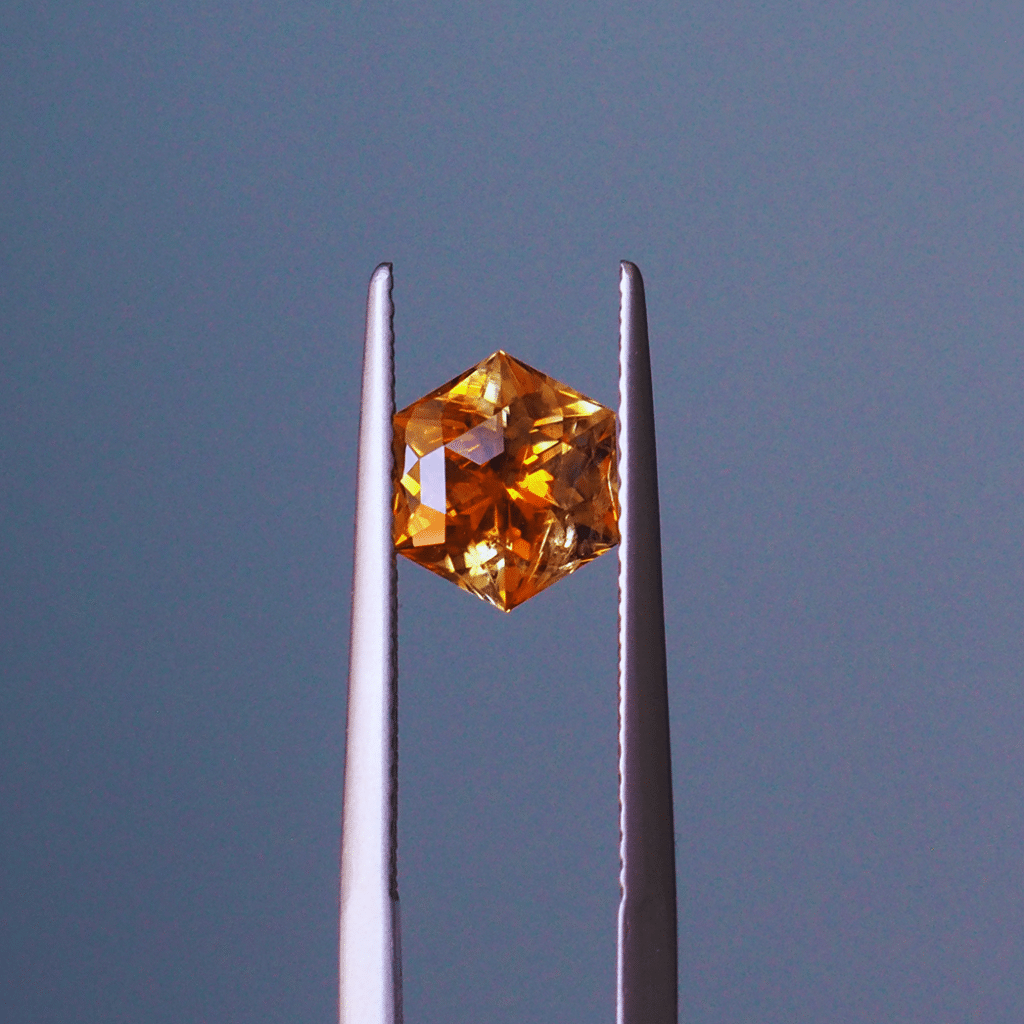
Montana Sapphires lend themselves well to a variety of cutting styles, making them highly versatile for designers. Their crystal structure allows for precision cutting and creative shapes that work well in both modern and vintage-inspired settings. Parti-color and bi-color stones are especially striking in fancy geometric cuts, where the shift in color can be highlighted through the angles and asymmetry of the design.
 
Production and Color Gradation
 
Rock Creek sapphires, in particular, are well suited for cutting at calibrated sizes and can be reliably used to produce layouts and lines of jewelry. Their broad color range also makes them ideal for ombré effects, allowing designers to build gradual transitions of tone across a single piece or an entire collection.
Montana Sapphires combine beauty, history, and ethical sourcing. From rare Yogo Gulch stones to the versatile hues of Rock Creek and Eldorado Bar, each gem tells a story. Perfect for bespoke designs or signature collections, these sapphires add meaning and distinction to every piece.
 
Discover our full selection and bring your designs to life.
 
 Shop Montana Sapphires.

Noelle’s Notes: The Definitive Guide to Sourcing Montana Sapphire Three exquisite Montana Sapphires in the Noelle Habib inventory. Consumer preferences […]

Design Strategies: Color & Diamonds

Three Approaches to Pairing Colored Gemstones with Diamonds
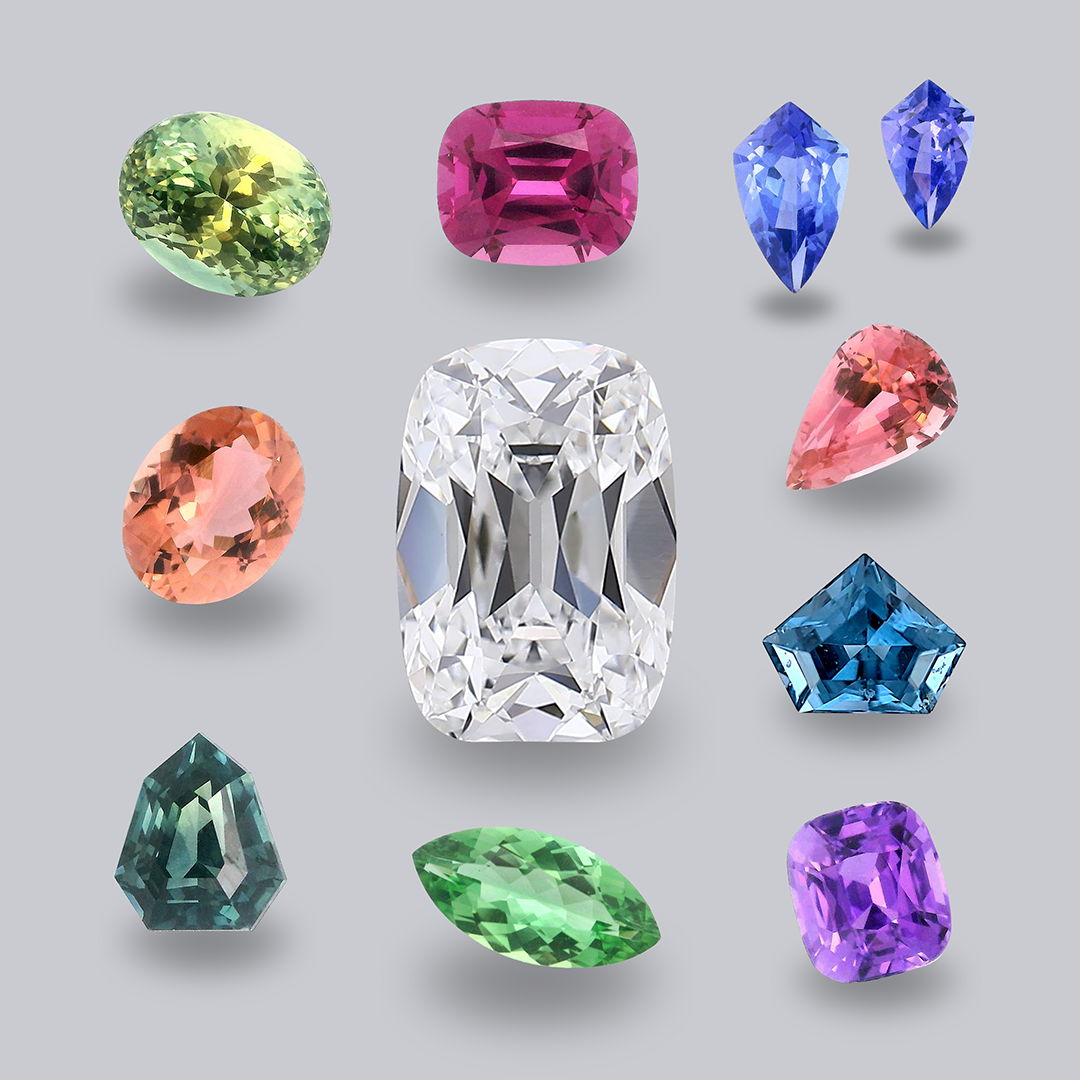
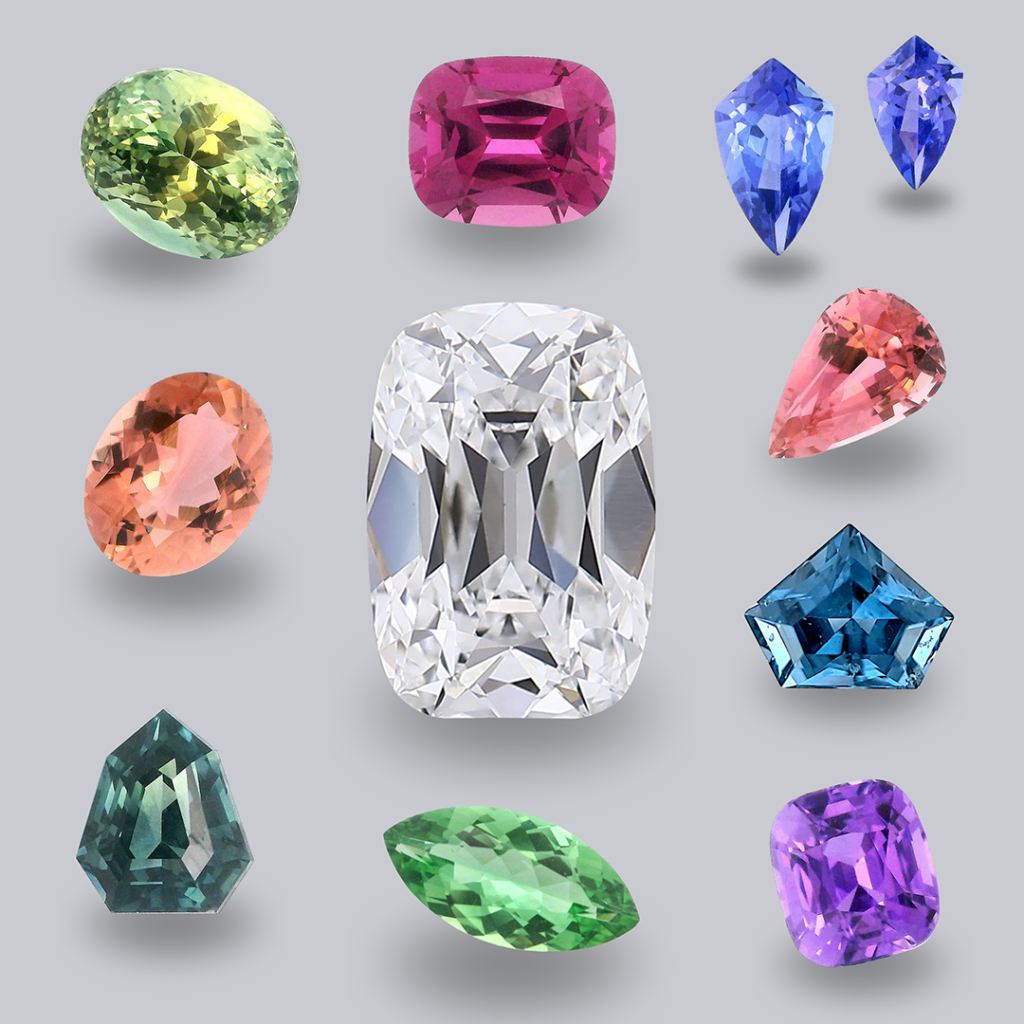
cushion cut diamond surrounded by colored gemstones used in jewelry design compositions for jewelry design strategies
Diamonds and colored gemstones have always shared a place in fine jewelry, but today’s designers are using that pairing in more intentional and creative ways. Whether color takes center stage or plays a subtle supporting role, combining diamonds with vibrant gemstones opens up endless design possibilities.
 
This month, we’re exploring three distinct approaches to pairing colored gemstones with diamonds, each offering a different balance of color, brilliance, and visual impact.

Color As Focus

Diamonds as a Supporting Acent

When color is the focus, the role of the diamond is to enhance not compete. These designs highlight the richness and individuality of the gemstone, while diamonds provide light, contrast, and refinement.

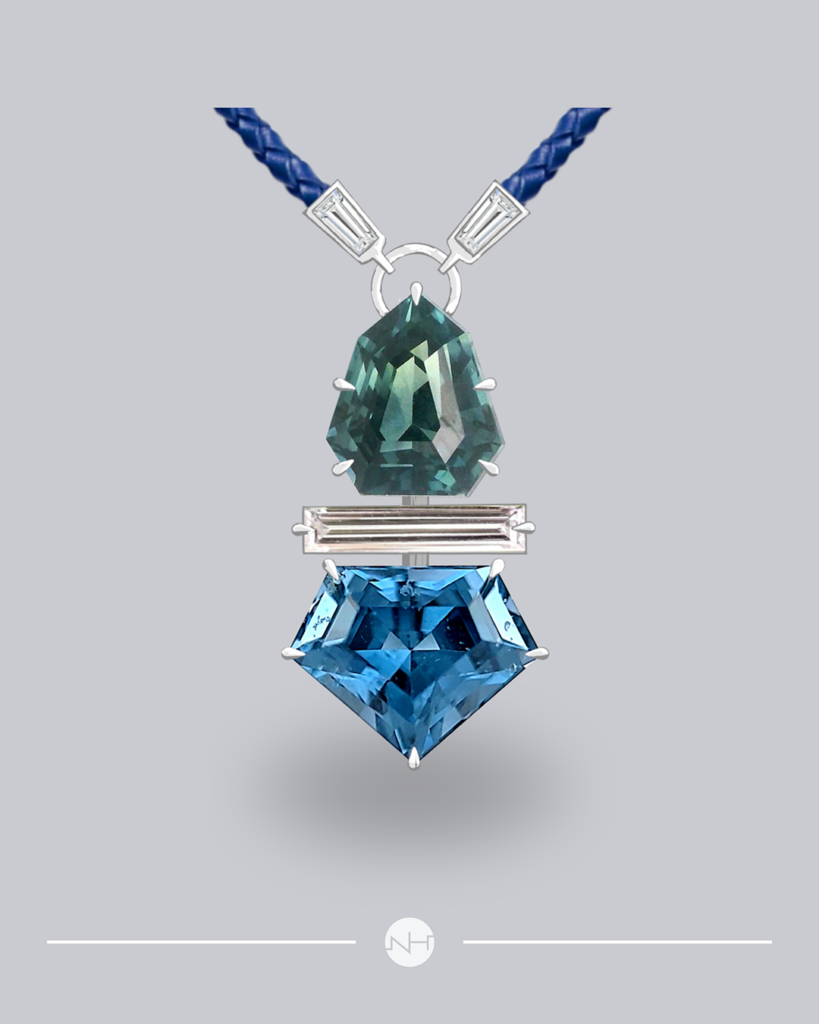
blue green shield cut sapphire and deep blue spinel pendant with baguette diamond accent set in white gold
Layered Color with a Diamond Divider
 
A more directional approach to color-forward design is using multiple gemstones in a single composition, with a diamond acting as a point of separation and refinement.
 
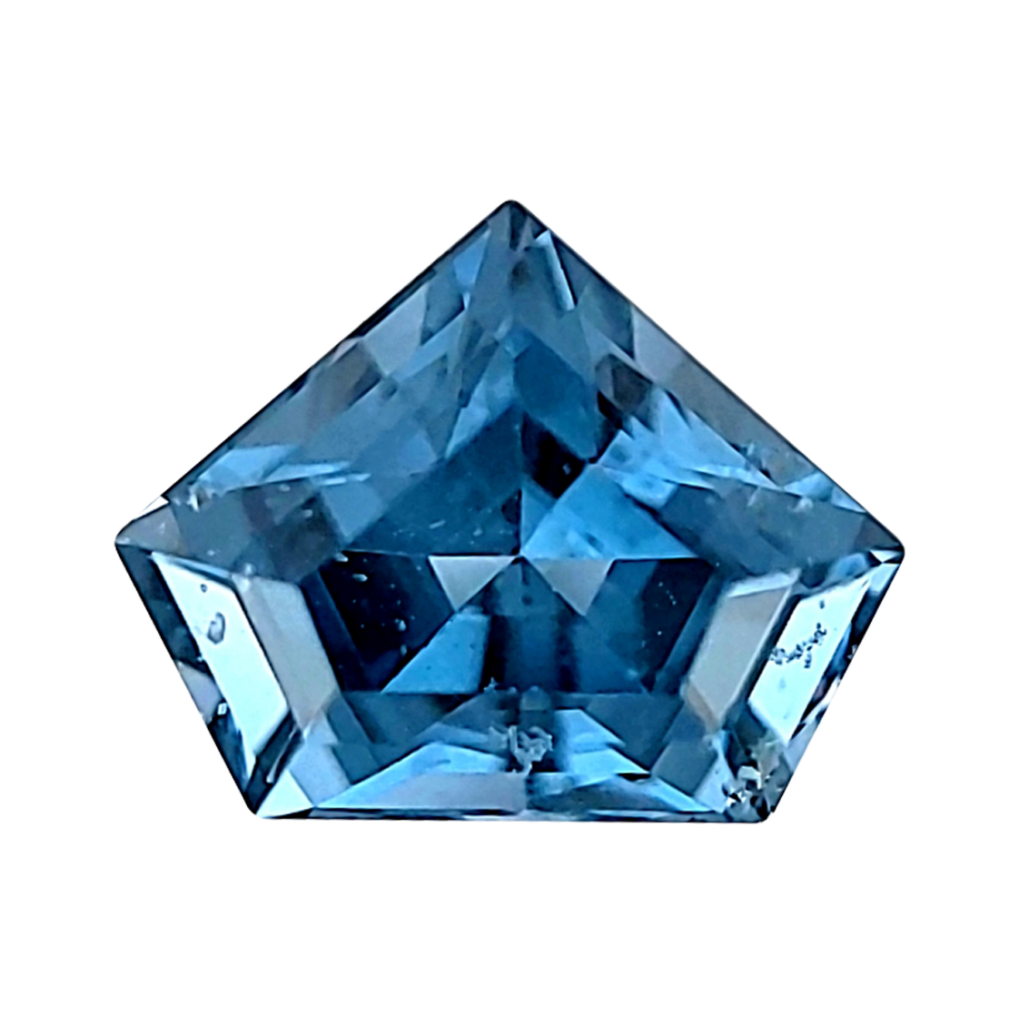
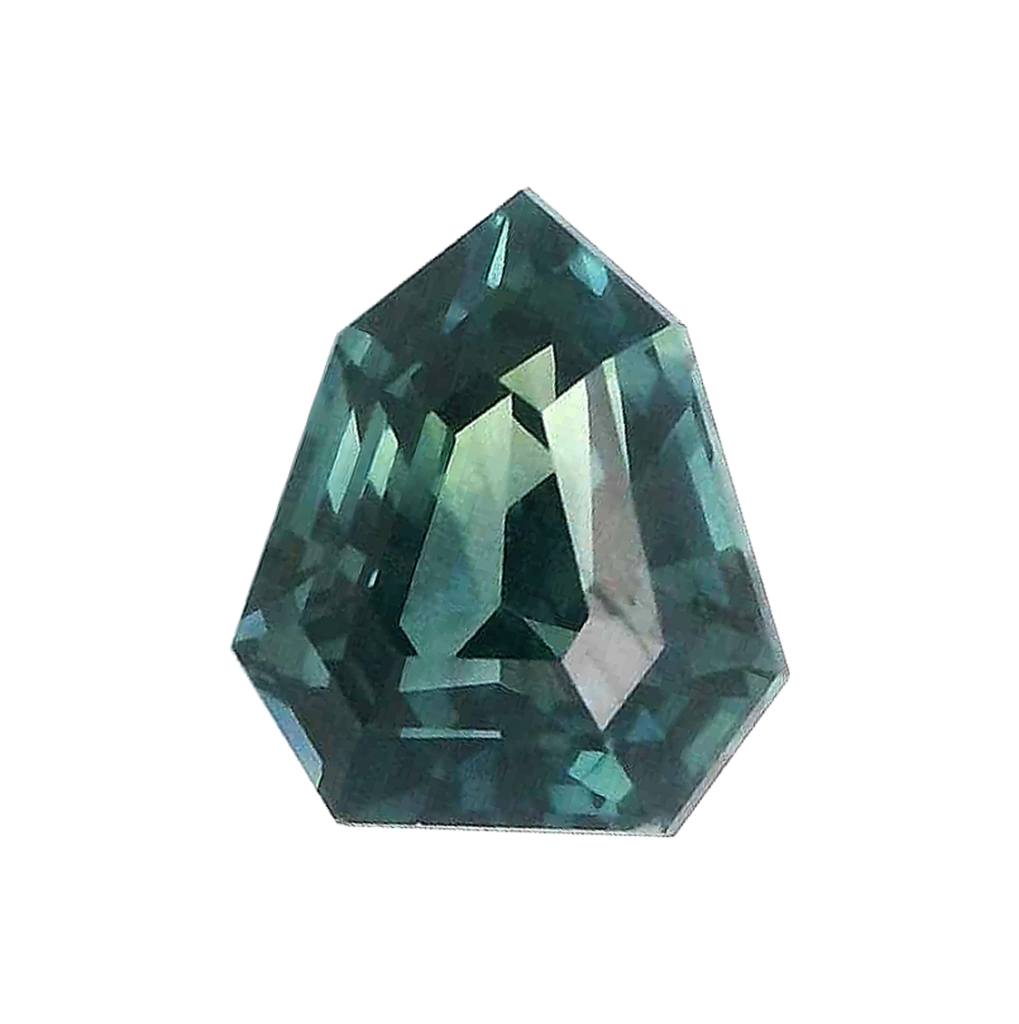
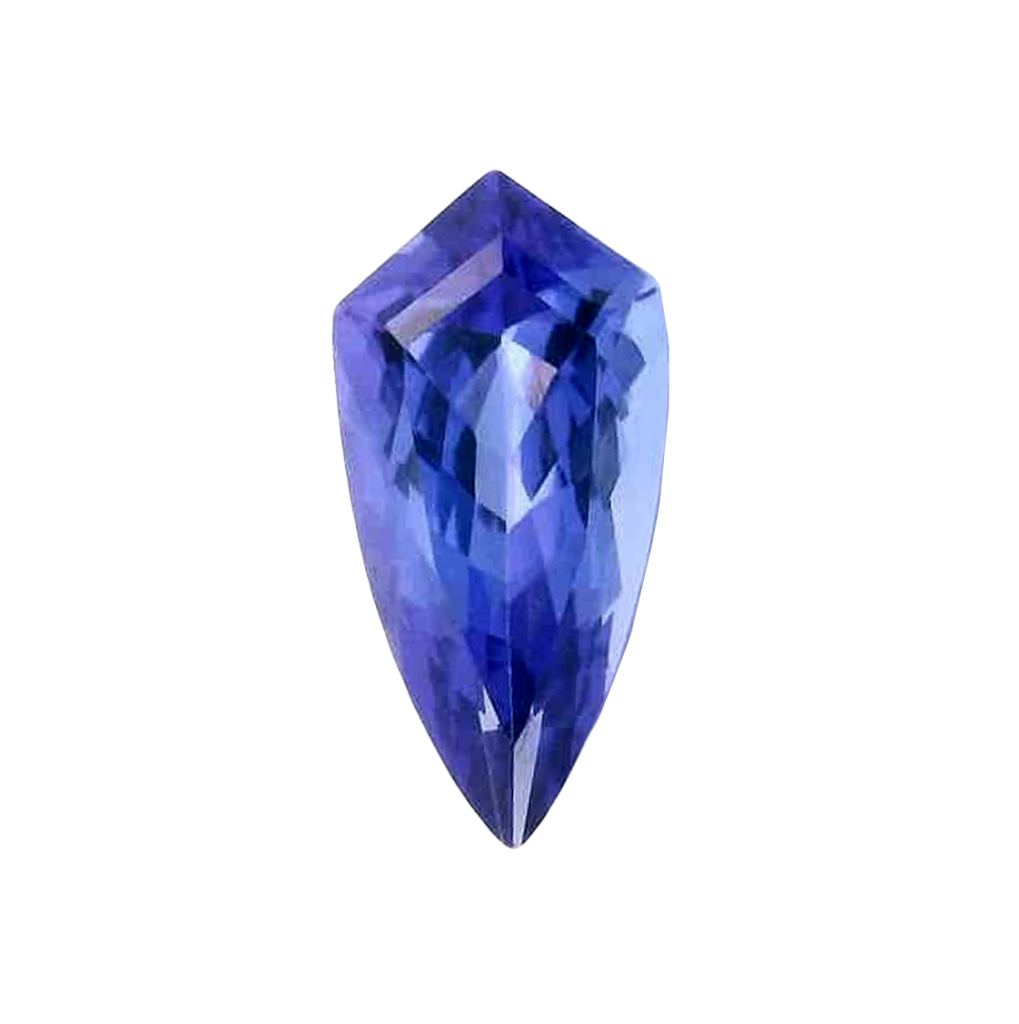
In this pendant design, a shield-shaped sapphire and a shield-shaped spinelare arranged in a vertical composition . Set between them, an elongated white baguette diamond creates a clean line of light that visually separates the two gemstones while tying the design together.
 
The diamond doesn’t compete for attention—instead, it sharpens the composition. Its linear form contrasts with the angular shields, while its brightness enhances the depth and tonal variation of the gemstones.
 
This type of arrangement works especially well when combining stones in similar color families. The diamond introduces clarity and structure, allowing subtle differences in hue and saturation to stand out.
 
Scattered Diamond Accents


Instead of framing a gemstone, a sprinkle of diamonds can accent colored stones with subtle, intentional sparkle.

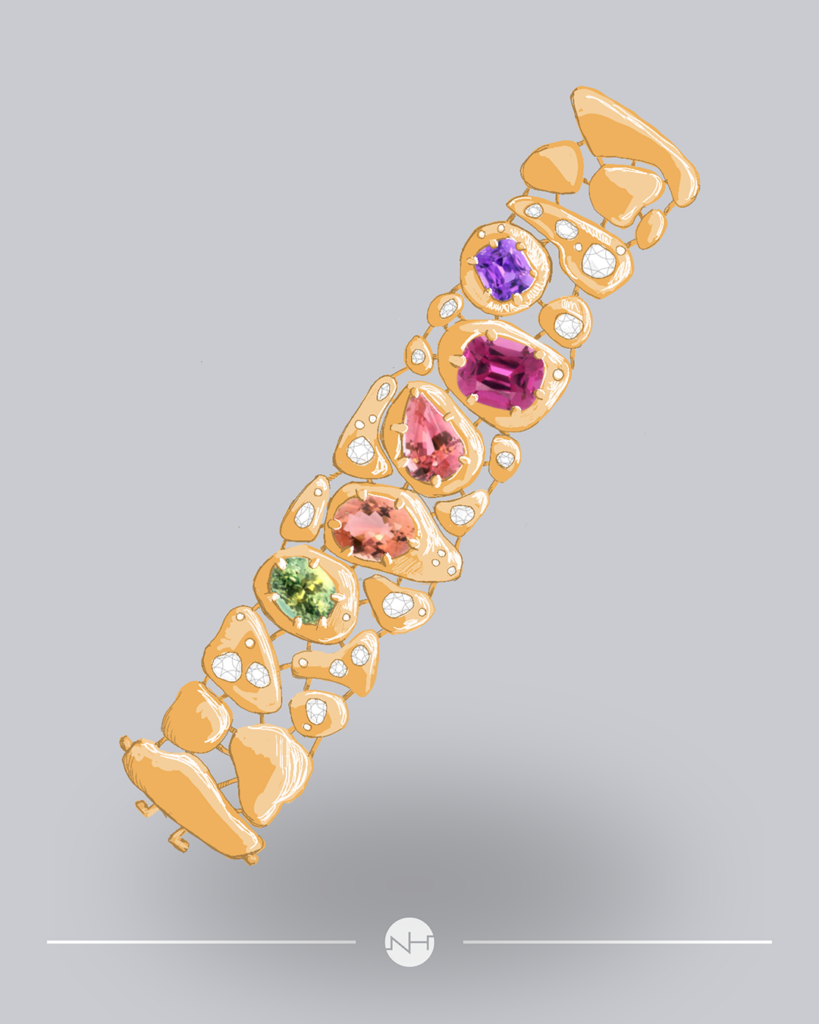
In this bracelet, five vivid colored gemstones are set into larger yellow gold pebbles, arranged alongside smaller, smooth gold forms studded with flush-set old mine cut diamonds—creating a wide, cobblestone-like composition.

The colored gemstones read as the main characters, while the soft, imperfect outlines of the antique-cut diamonds echo the organic shapes of the gold, adding a quiet, irregular brilliance.

This approach keeps the focus on color, with diamonds contributing texture, light, and movement across the piece.
colored gemstone cobblestone bracelet with flush set old mine cut diamonds

Color as Companion

Diamonds and Gemstones Share the Spotlight

In these designs, neither element is secondary. Color and diamond are treated as equals—balanced in scale, cut, and visual importance.

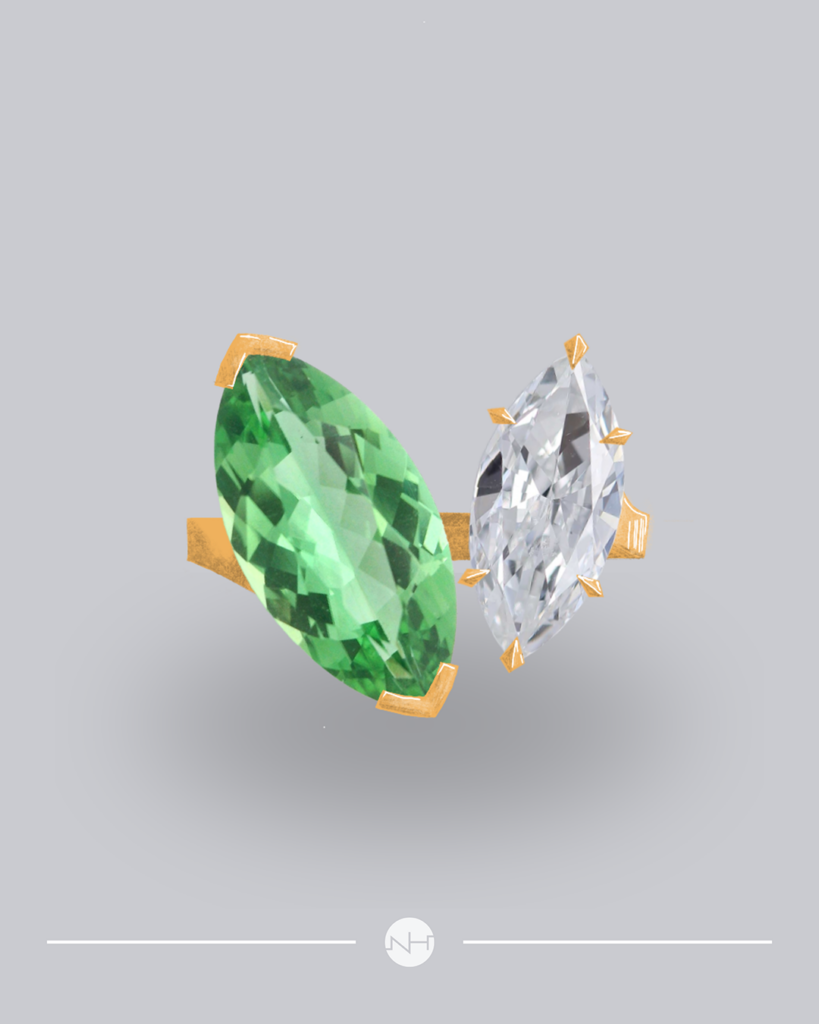
toi et moi ring with marquise diamond and green chrome tourmaline set in yellow gold
Toi et Moi Two-Stone Styles
 
The toi et moi ring style is one of the most compelling ways to pair diamonds with color. By placing a diamond and a colored gemstone side by side, designers create a dialogue between the two stones.
 
Balance in a toi et moi design can be achieved in multiple ways. Pairing stones in matching cuts creates a sense of symmetry, while combining different cuts introduces tension and interaction. Mixing faceting styles—brilliant cuts, step cuts, and cabochons—adds another layer of contrast, resulting in more dynamic and expressive compositions.
 
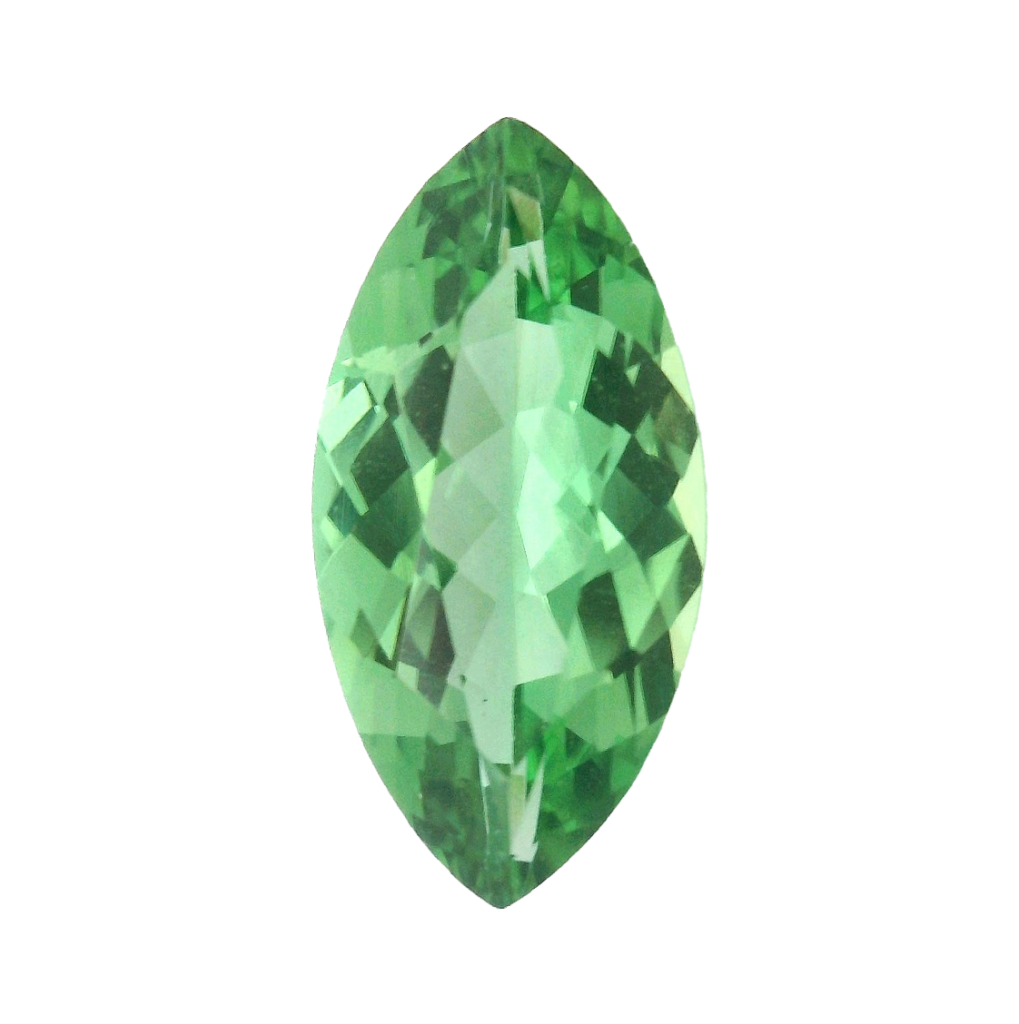
In this example, a marquise-shaped diamond is paired with a marquise Chrome Tourmaline. The shared cut creates harmony, while the contrast between diamond brilliance and saturated green color keeps the design visually engaging.
 
This style feels modern, personal, and highly customizable—ideal for clients looking for something truly unique.
Matched Pairs, Mixed Cuts 
 
Earrings offer a perfect opportunity to balance diamonds and colored gemstones in a structured way. One particularly striking approach is using matched pairs in fancy cuts. 

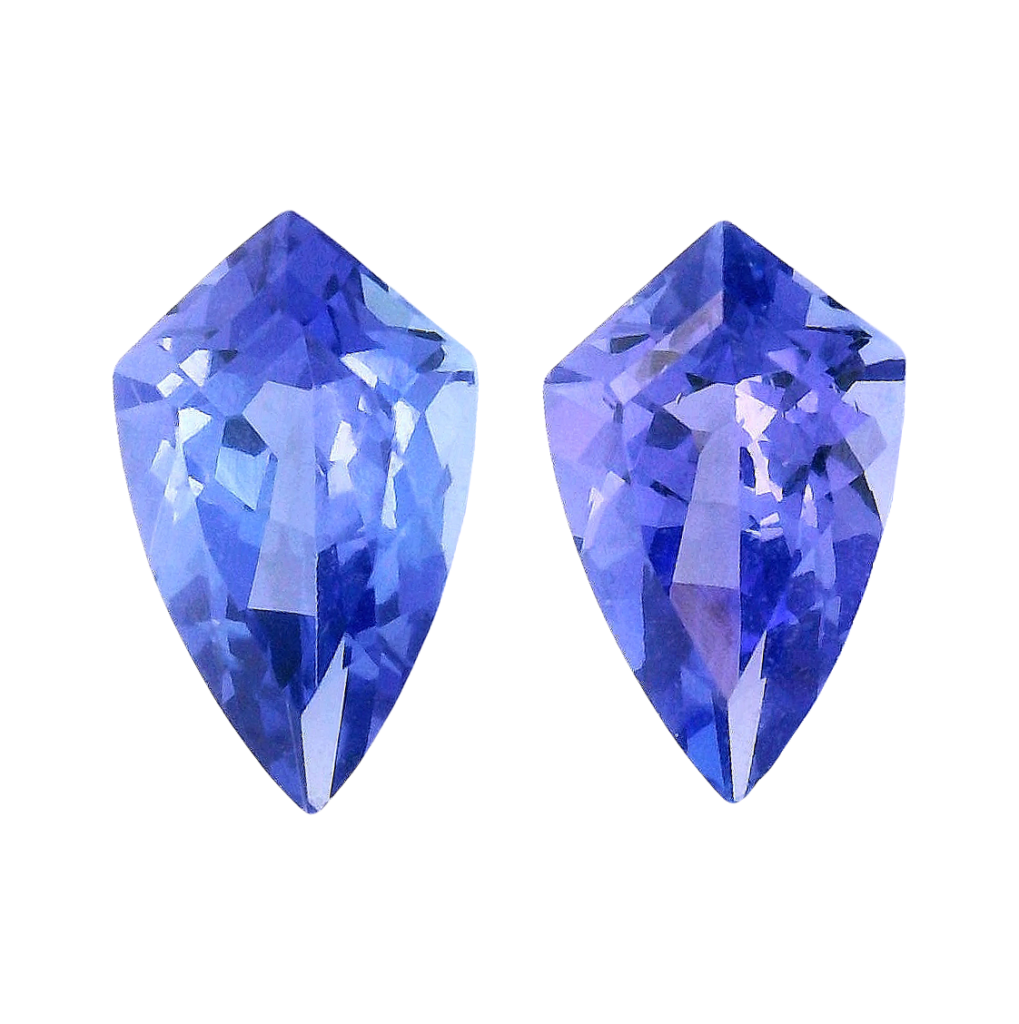
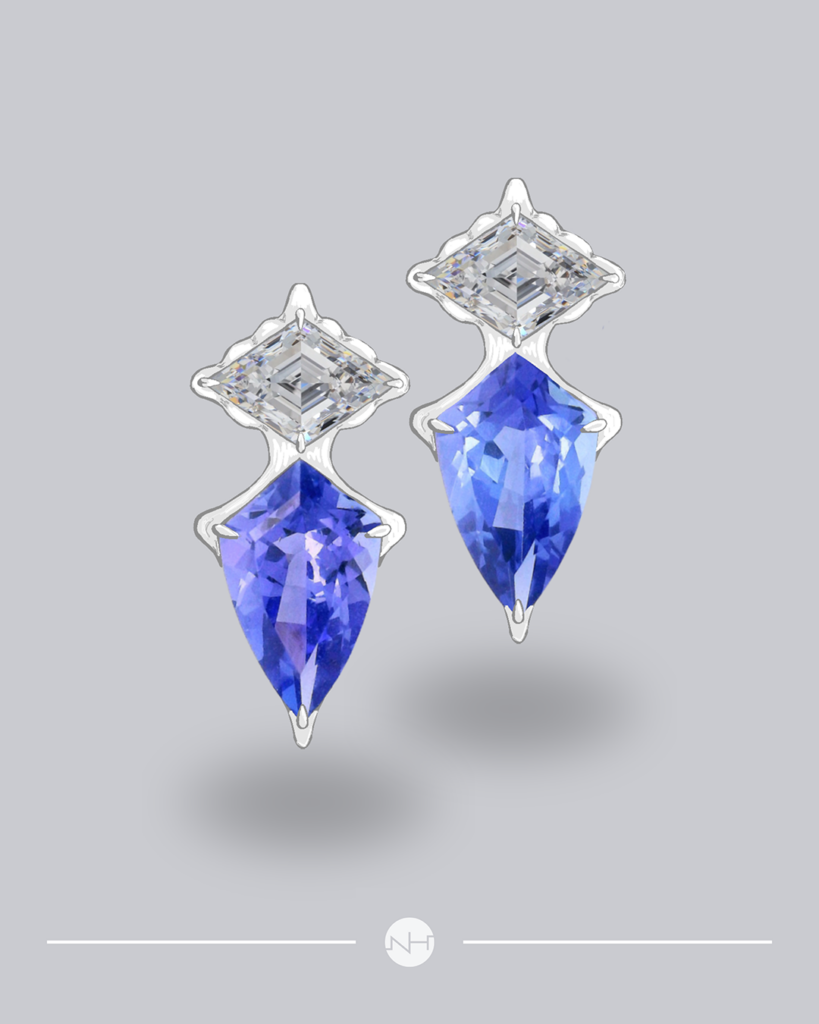
These kite-cut diamonds sit atop a pair of shield shaped Tanzanites creating an elegant drop earring that balances edgy geometric gemstones with soft metal curves. 

By matching cuts and proportions, designers create cohesion while still allowing the difference in materials to shine. The result is a design that feels intentional, bold, and visually balanced.


fancy cut kite, lozenge shaped diamonds paired with shield shaped tanzanite gemstones drops set together in white gold earrings

Color as Accent

Colored Gemstones Supporting Diamond Designs

In this approach, diamonds take the lead, and colored gemstones are used to add dimension, contrast, and subtle personality.

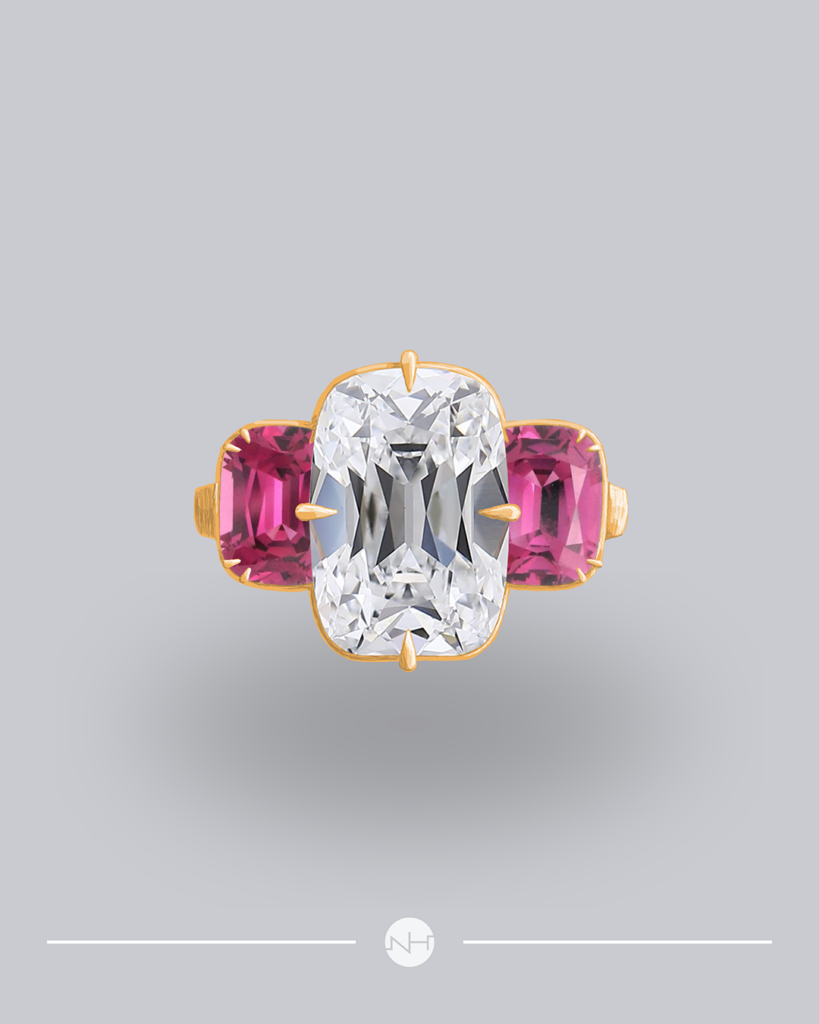
cushion cut diamond center ring with matched pair of cushion cut raspberry garnet gemstone side stones for contrast, set with claw prongs in a yellow gold ring mounting
Diamond Centered Rings with Color Side Stones
 
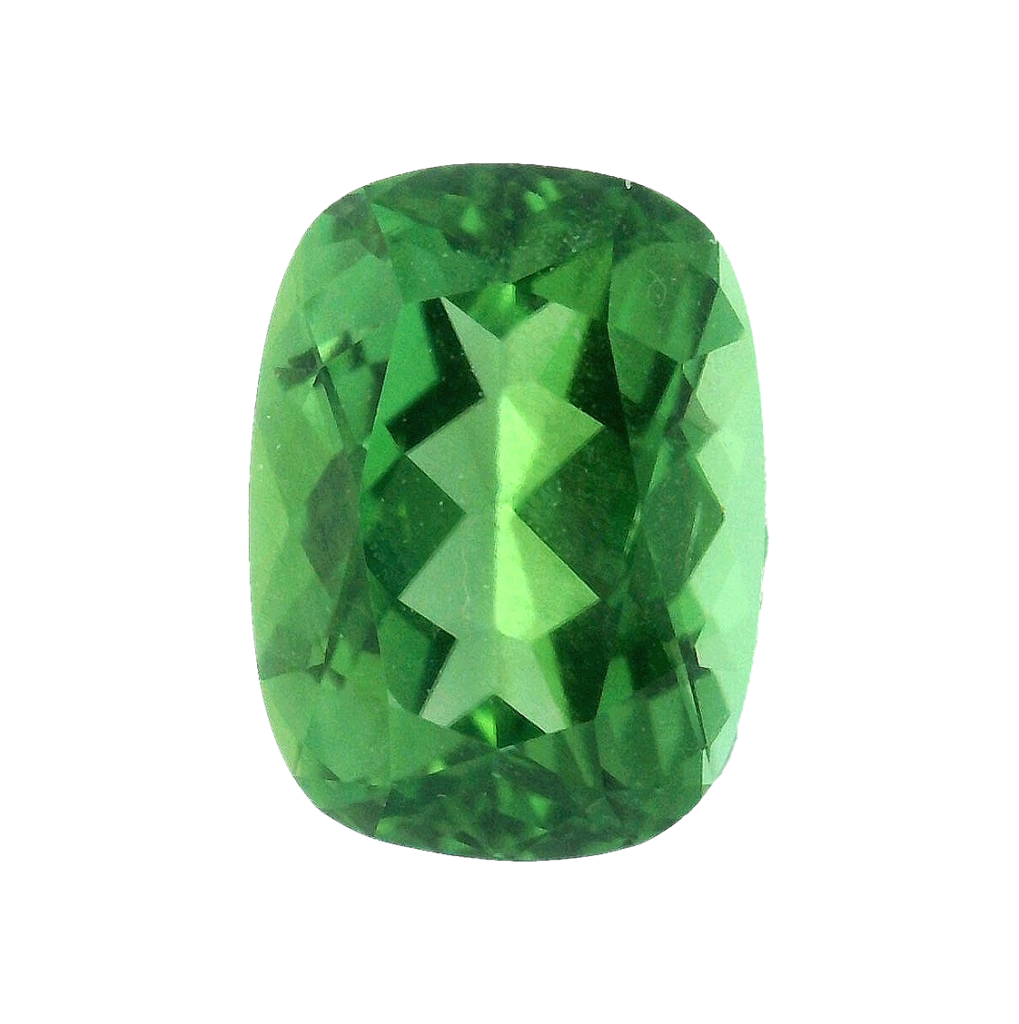
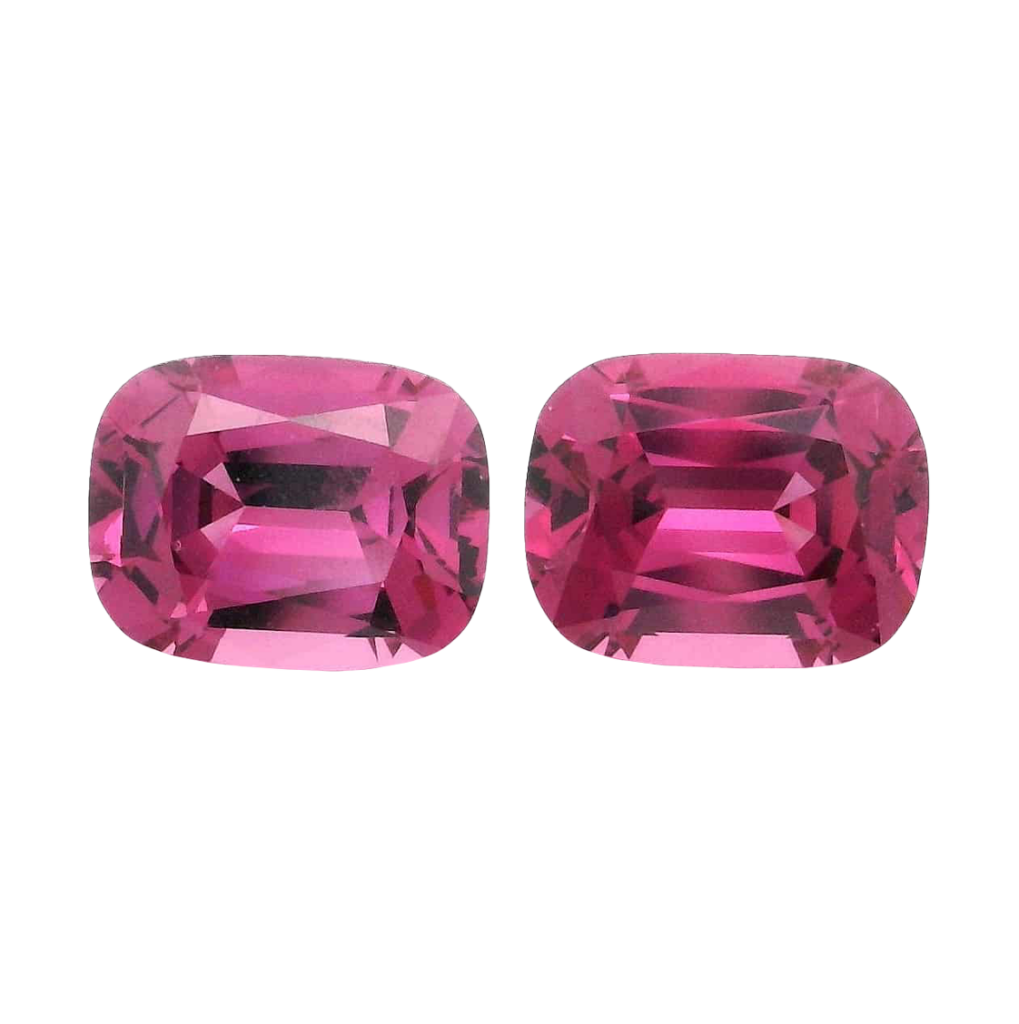
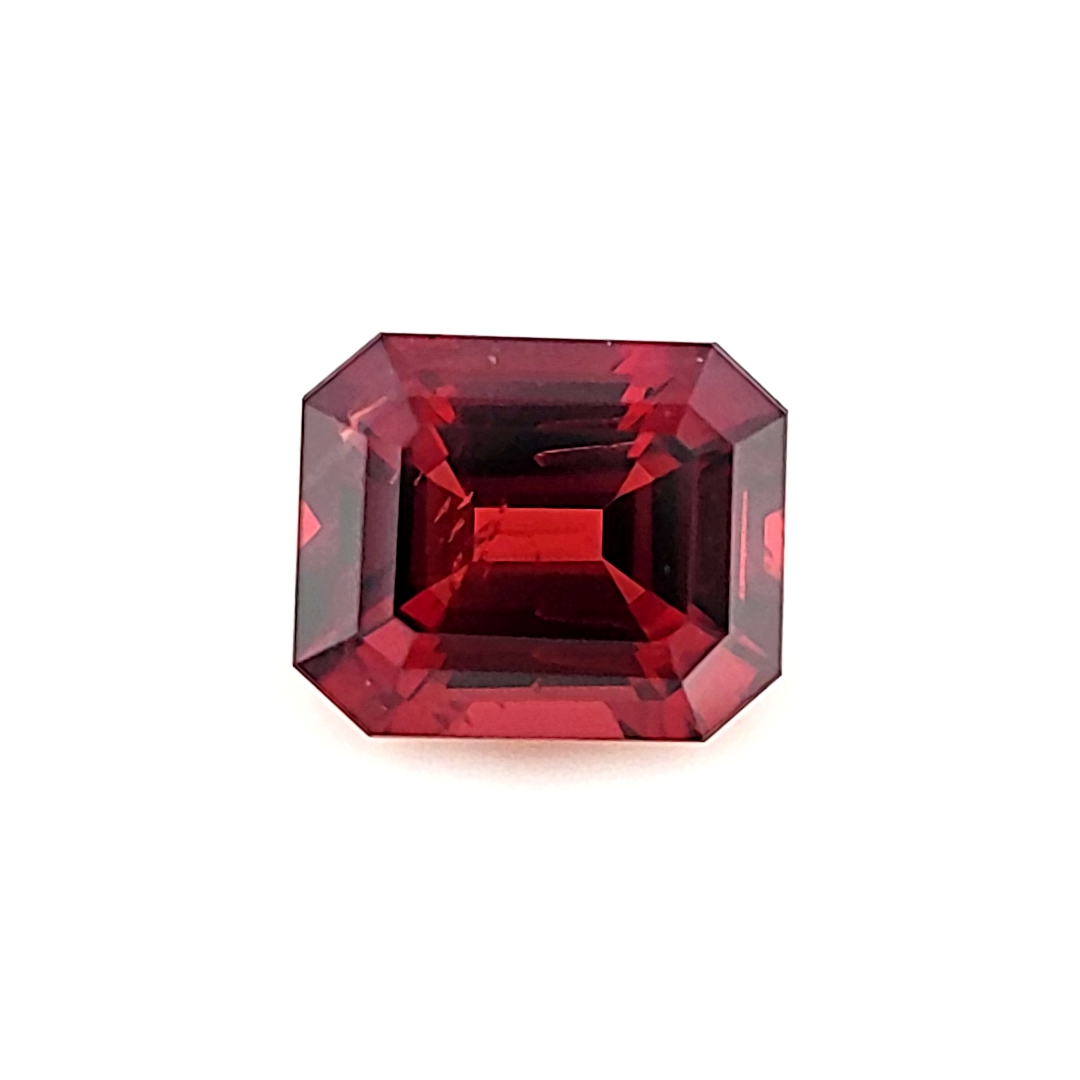
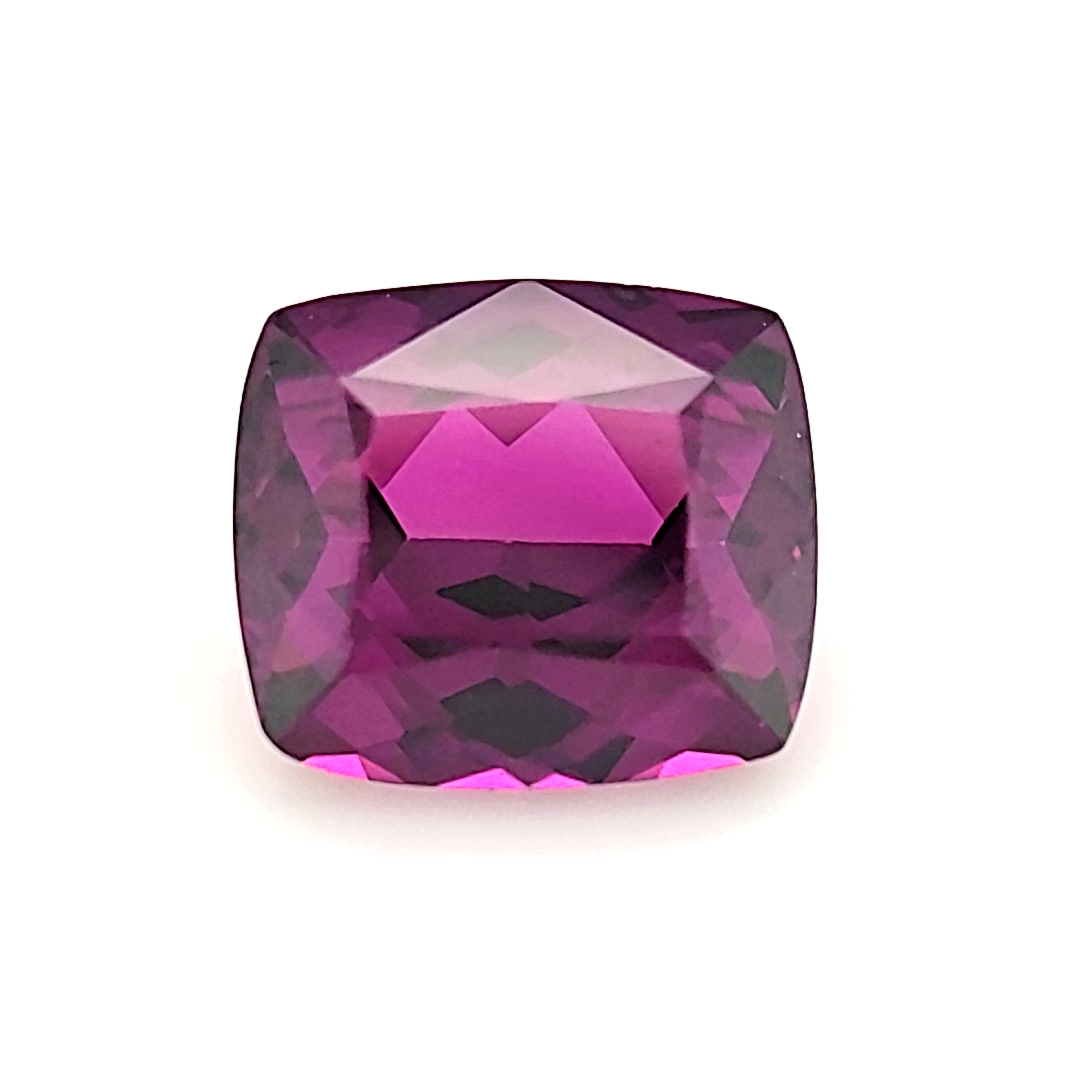
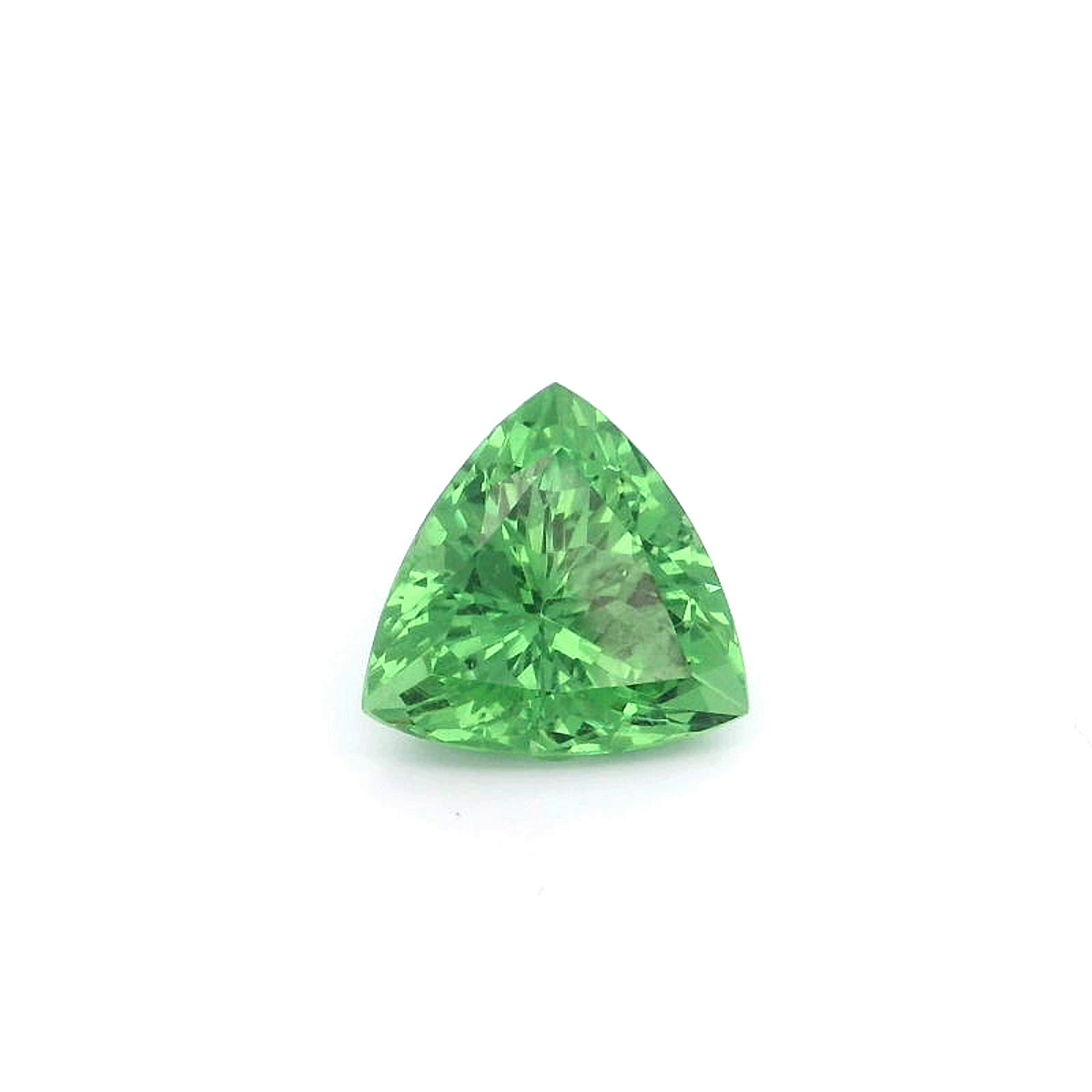
A classic diamond center stone can be transformed with the addition of colored gemstone side stones. Elegant raspberry Garnets, vibrant tsavorites, or deep blue accents can shift the tone of a piece from traditional to distinctive.
 
This is an effective way for designers to offer something familiar with a twist—especially appealing in bridal or anniversary jewelry, where clients still want a diamond focus but are open to incorporating color.

Bringing It Into Your Designs

Pairing diamonds with colored gemstones isn’t just about combining materials—it’s about deciding how those materials interact. Whether you’re emphasizing contrast, balance, or subtlety, each approach offers a different way to tell a story through design.


As you develop your next collection, consider how these three strategies—focus, companion, and accent—can shape your use of color and light.


Explore our current selection of colored gemstones to find stones that complement your design vision, and start building pieces that bring these combinations to life.

Image Credits:

All of the jewelry designs and illustrations in this post were created by Hannah Becker as original content for Noelle Habib featuring gemstones from Noelle Habib, ©2026. 

Design Strategies: Color & Diamonds Three Approaches to Pairing Colored Gemstones with Diamonds Diamonds and colored gemstones have always shared […]

Color Stories: Aquamarine

Four Fresh Gemstone Color Palettes for March’s Birthstone
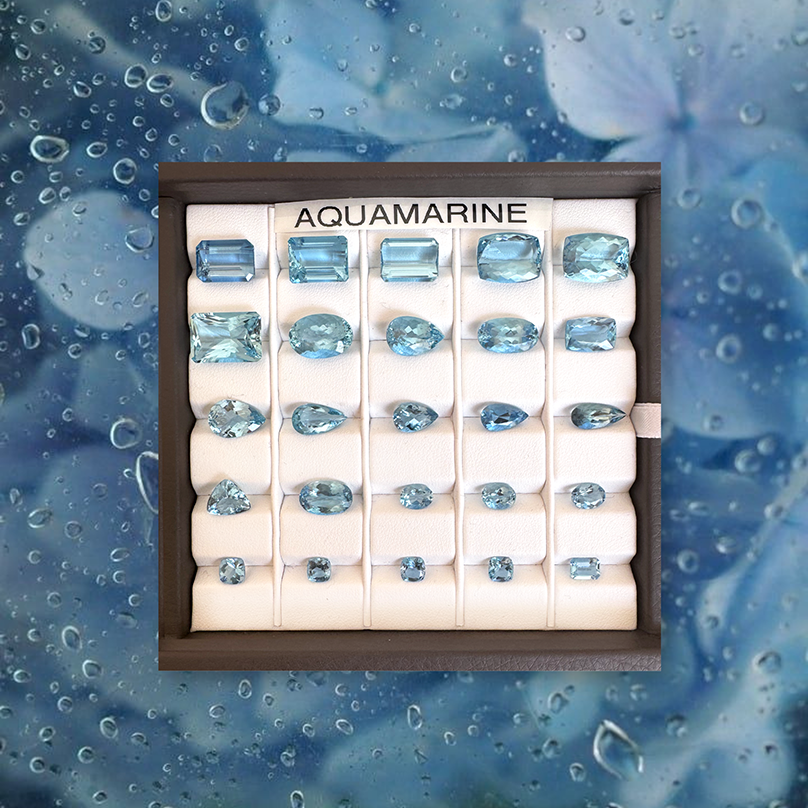
Aquamarine is often associated with pastel blues and classic March birthstone jewelry, but  it offers far more versatility than its traditional reputation suggests.
 
Its soft, ethereal blue pairs beautifully with both cool and warm gemstones, making it an ideal anchor for unexpected color stories. When combined thoughtfully, Aquamarine can shift from serene and coastal to vibrant and modern.
 
This month we’re exploring four gemstone palettes that highlight aquamarine in different ways. From airy pastels to unexpected, high-contrast combinations, each palette includes gemstones combinations that work beautifully together in earrings, pendants, or multi-stone designs.
 
Consider these color stories an invitation to experiment with March’s birthstone in new ways.

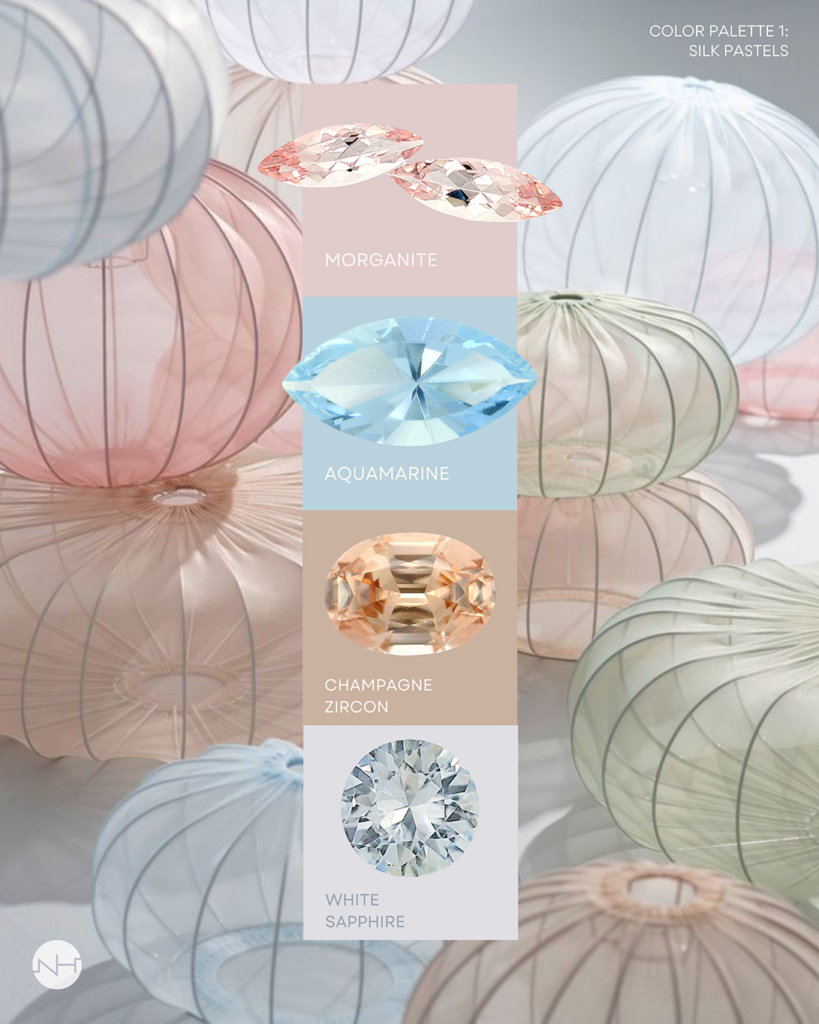
Palette 1: Silk Pastels

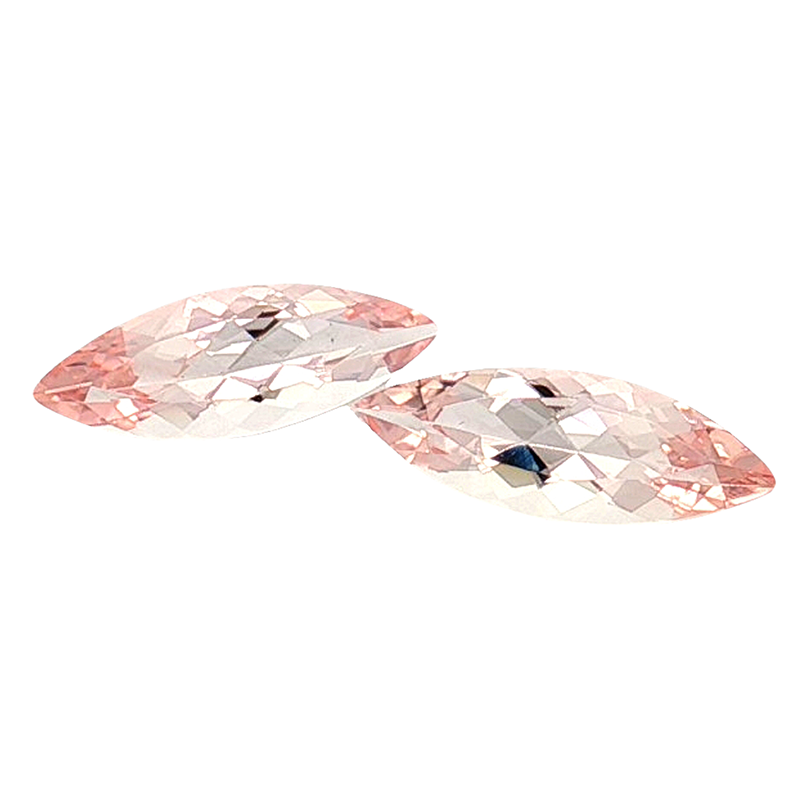
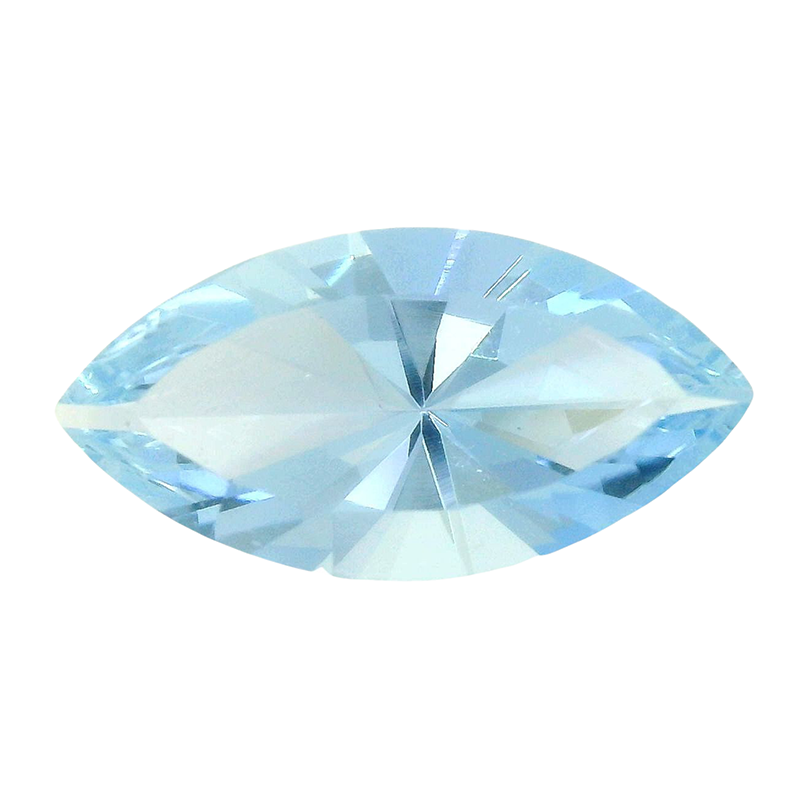
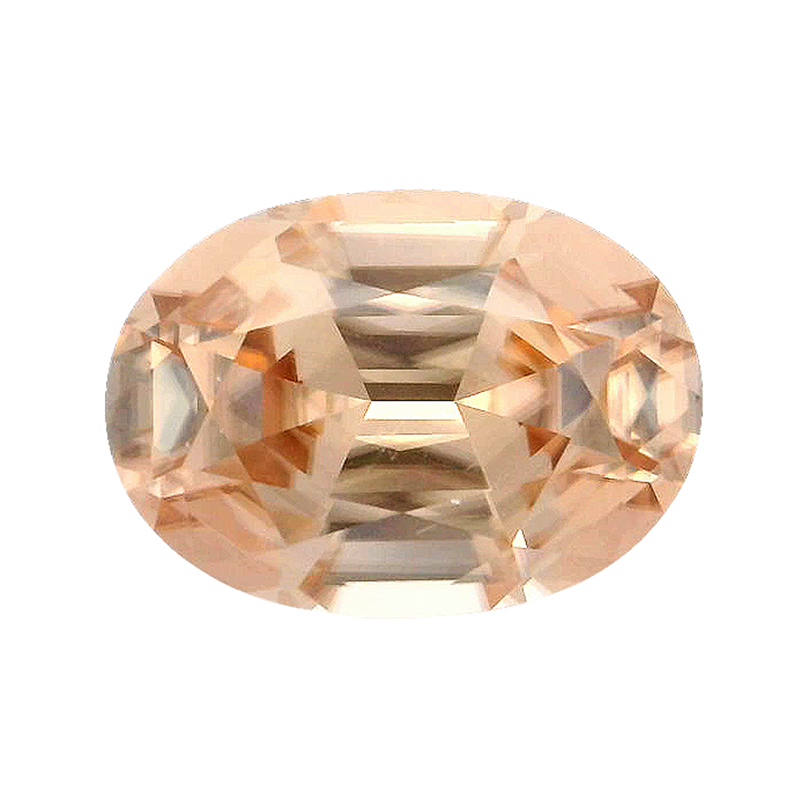
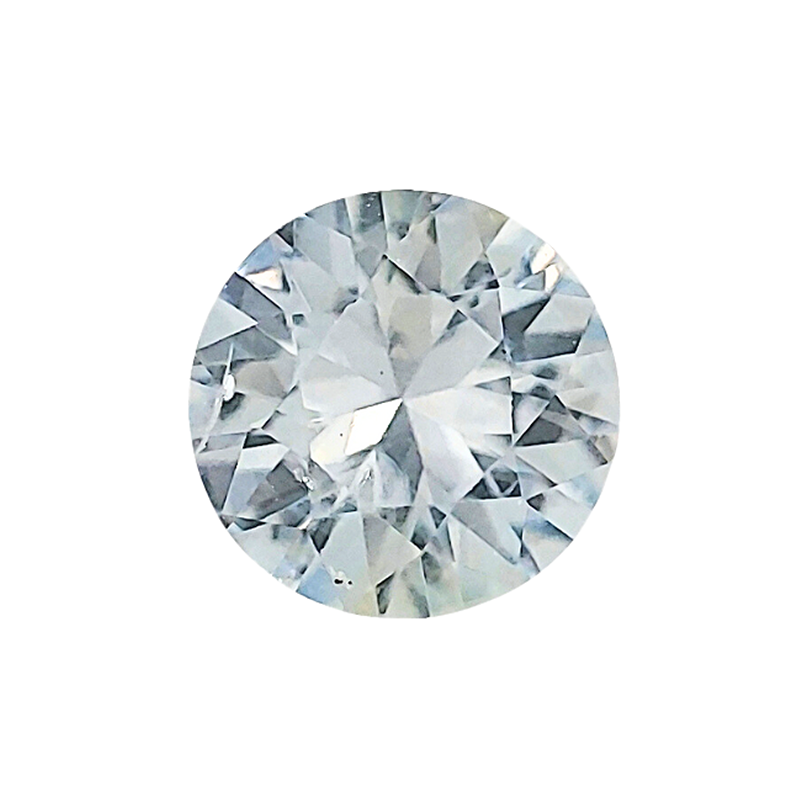
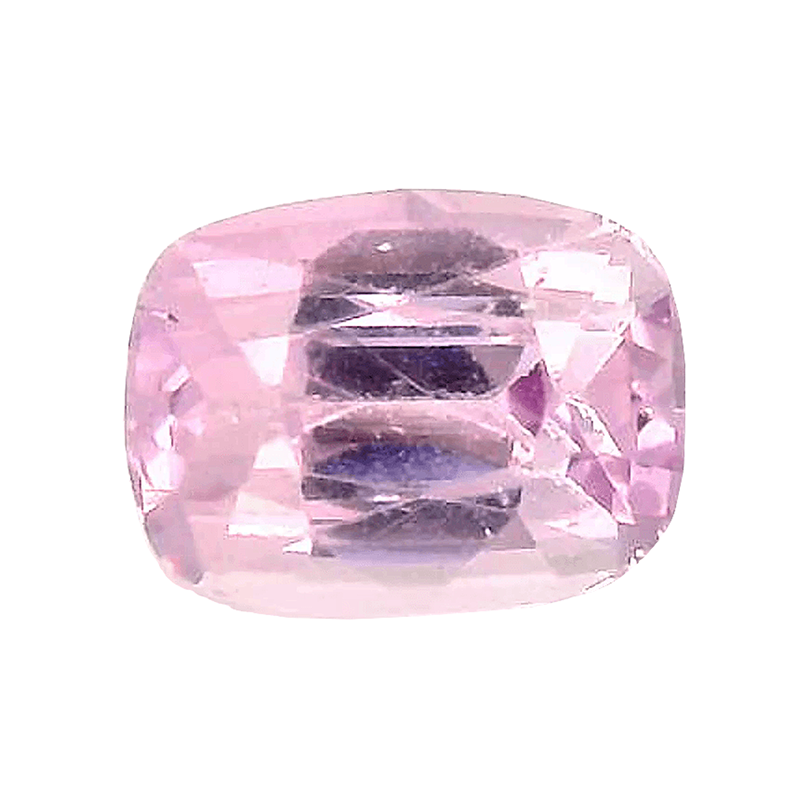
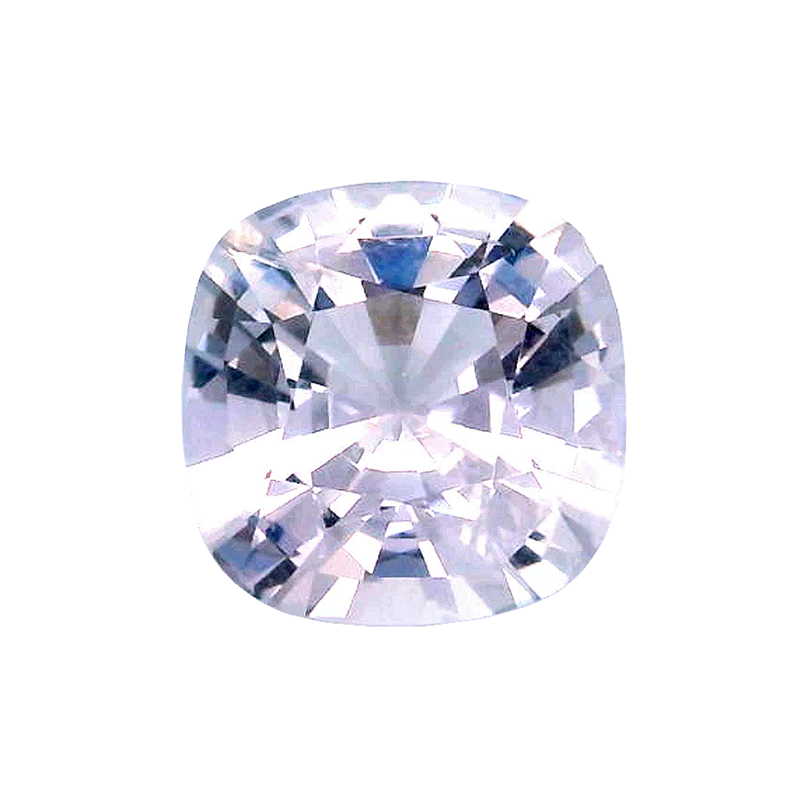
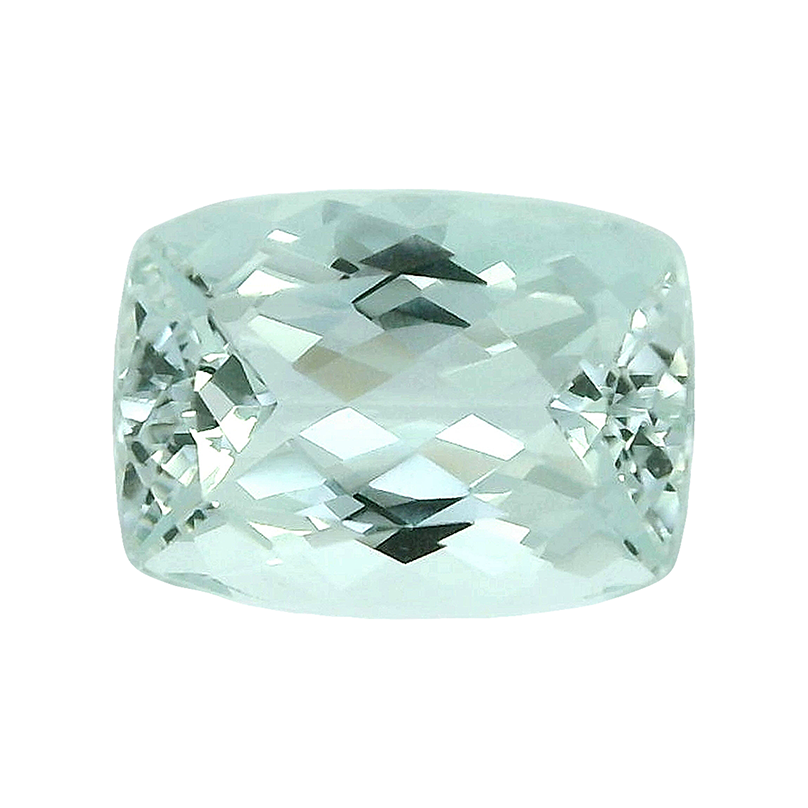
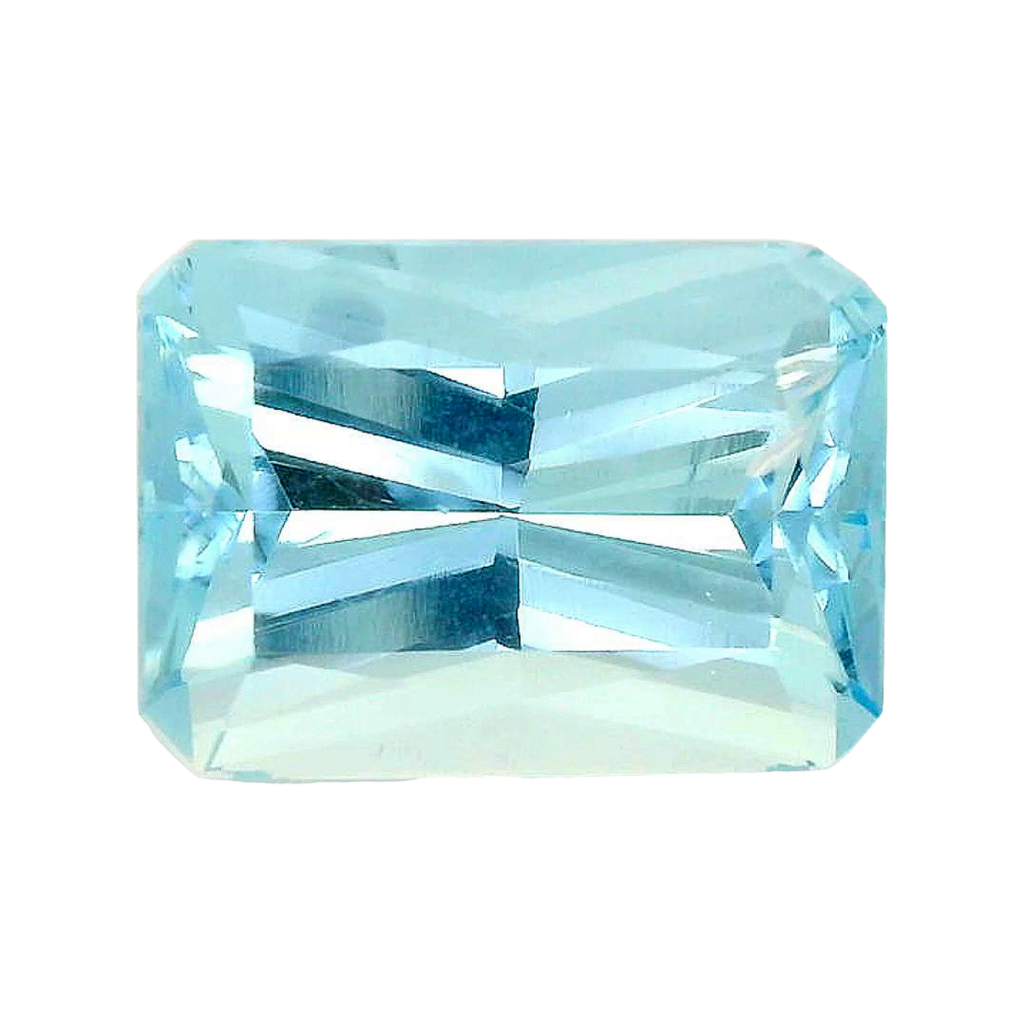
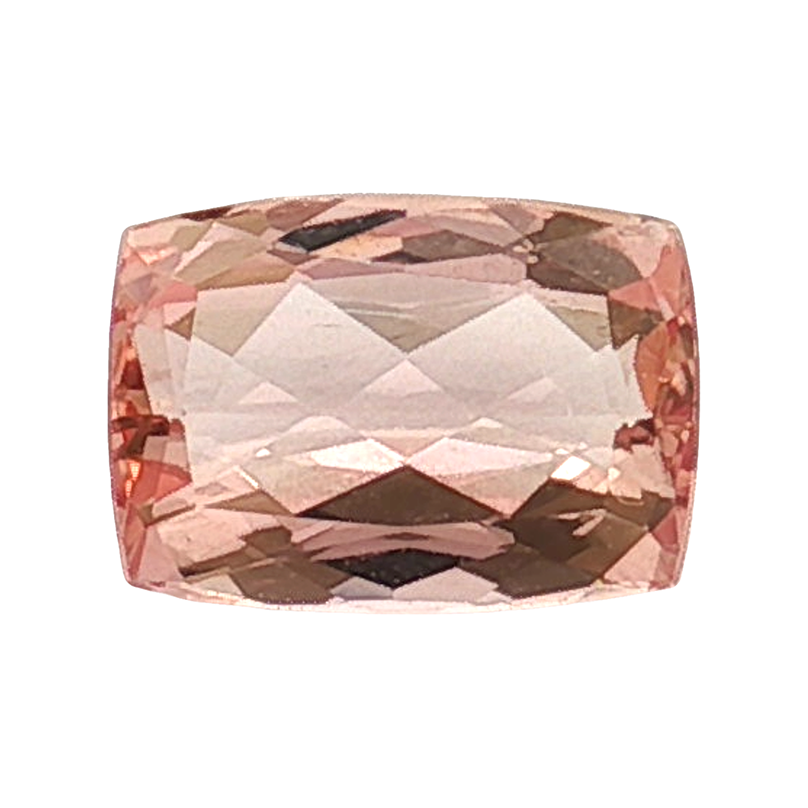
Soft, luminous pastel tones of Aquamarine and Morganite are paired with the bright sparkle of champagne Zircon and white Sapphire, balancing translucence with crisp structure.

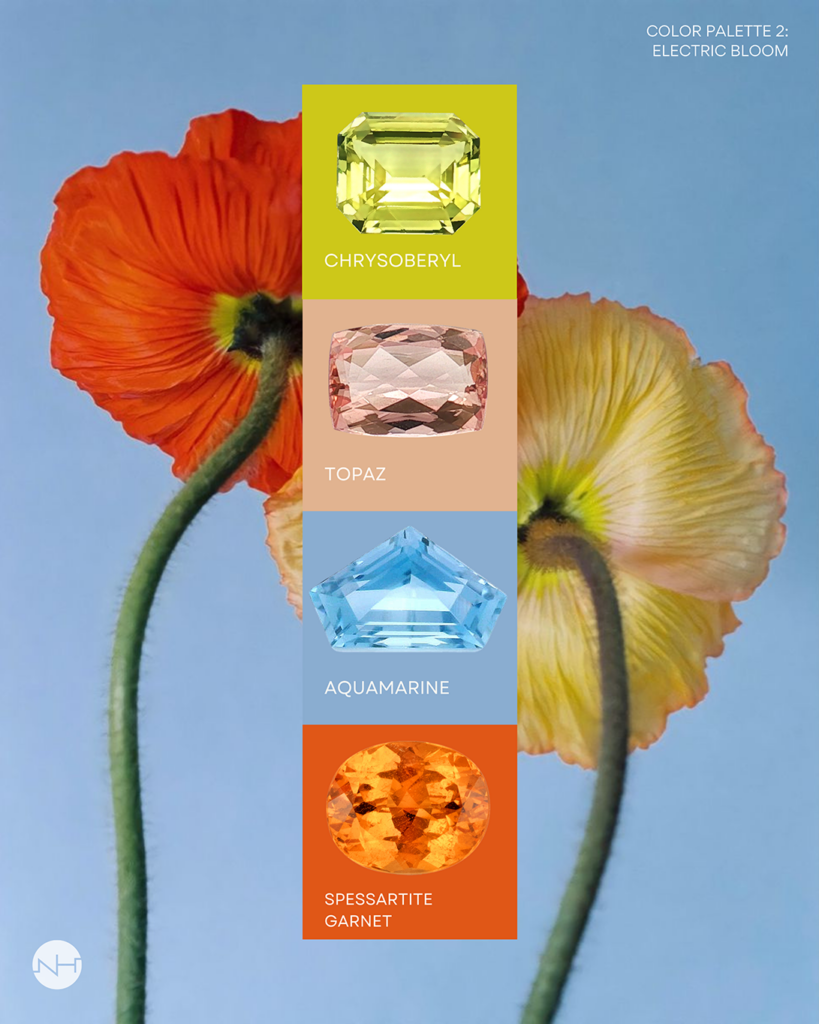
Palette 2: Electric Blooms

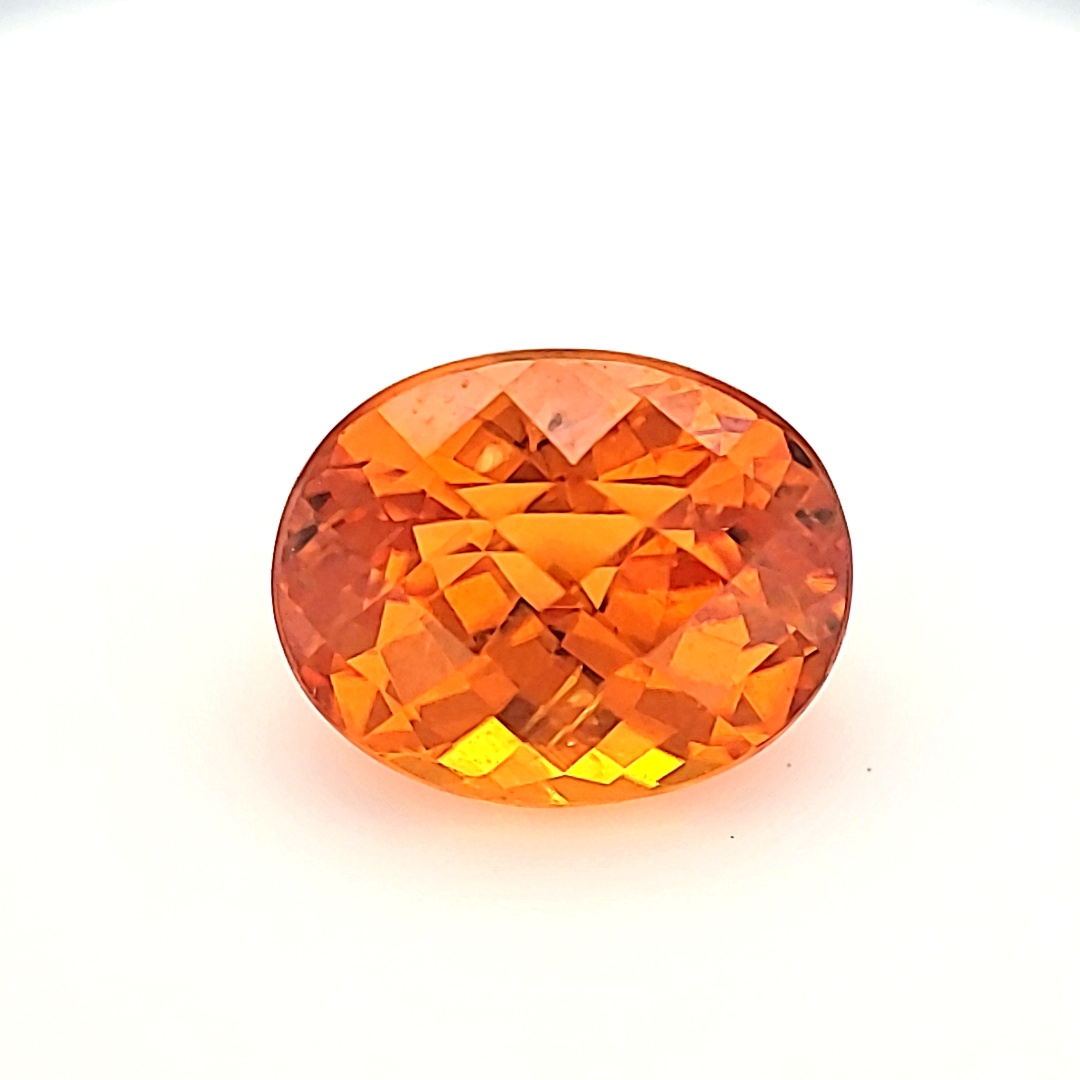
Bright, high-energy color from Chrysoberyl and Spessartite Garnet is balanced by the refined peach Topaz and set against a clear Aquamarine sky.

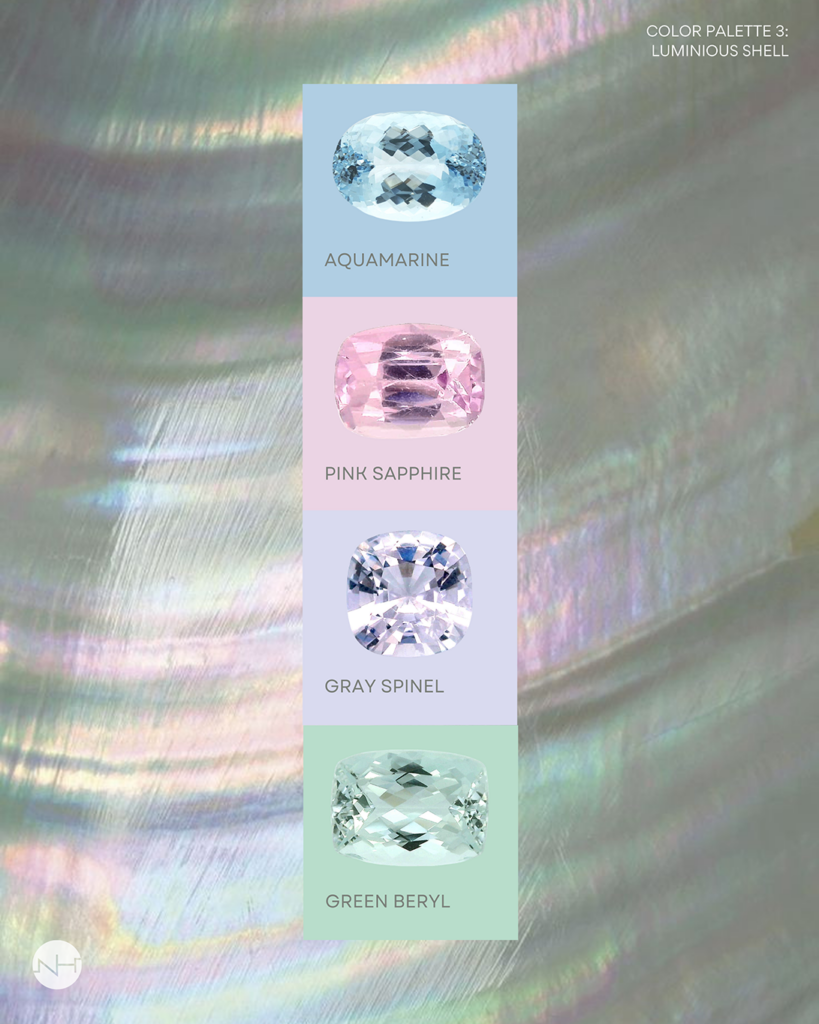
Palette 3: Luminous Shell

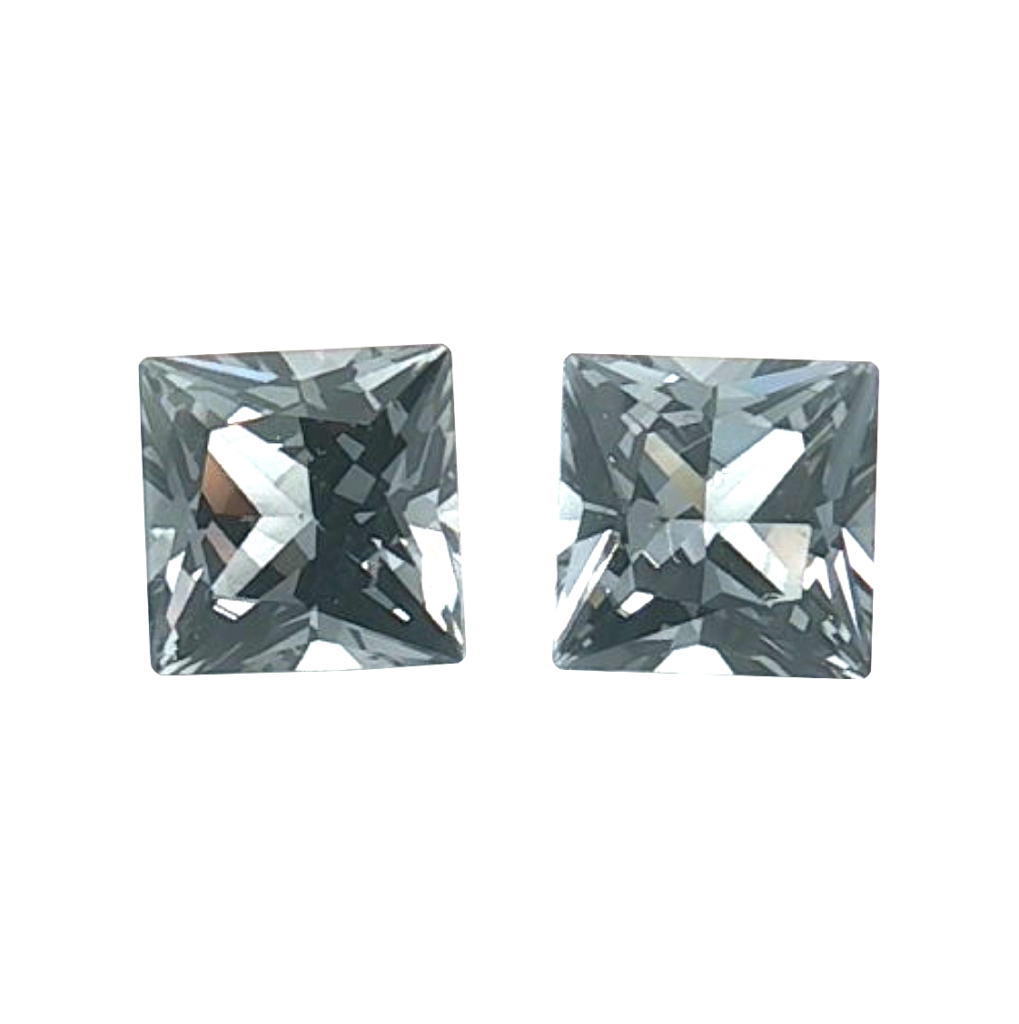
Delicate Aquamarine and Green Beryl are paired with powder pink Sapphire and the lustrous sheen of gray Spinel, echoing the iridescent tones of luminous shell nacre.

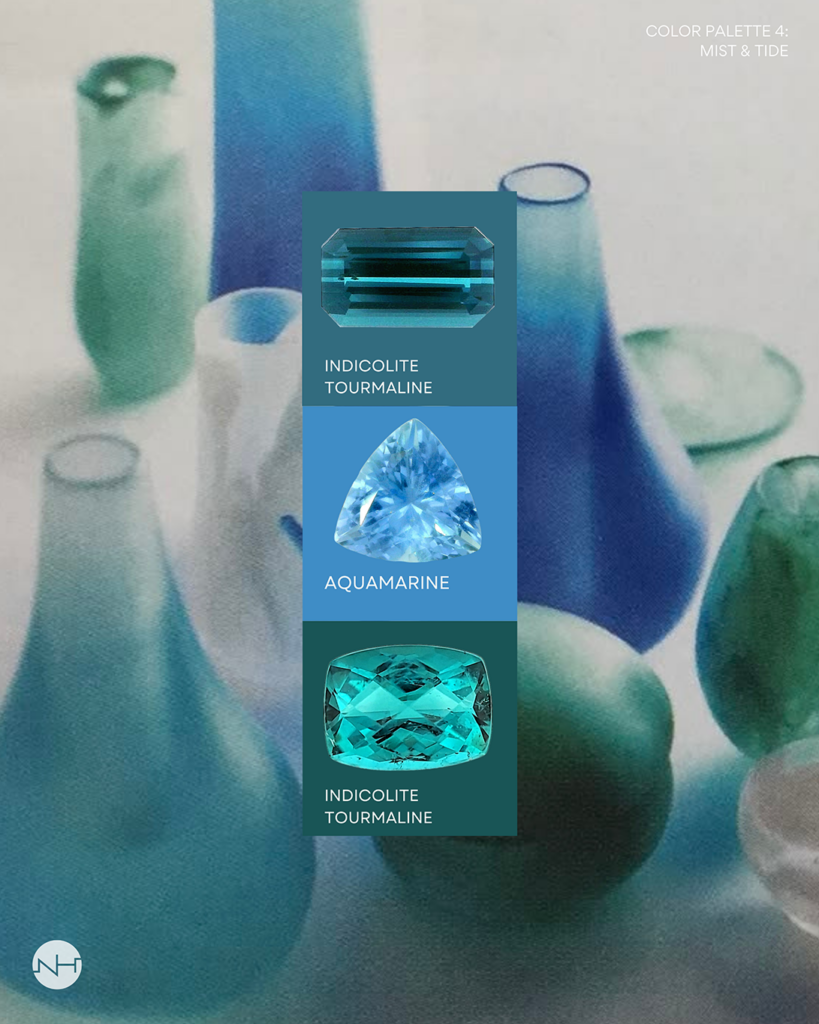
Palette 4: Mist & Tide

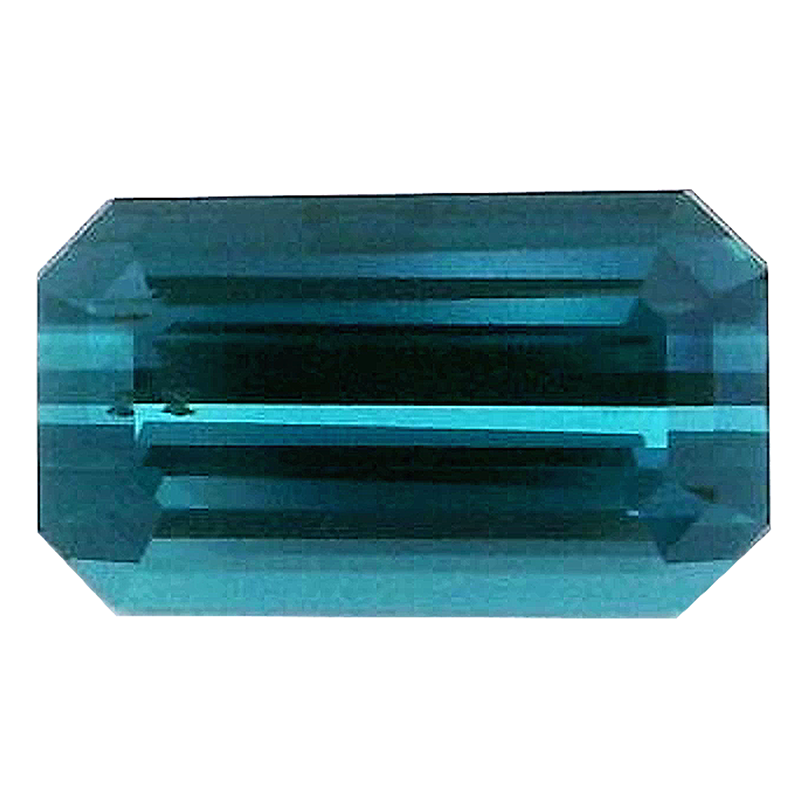
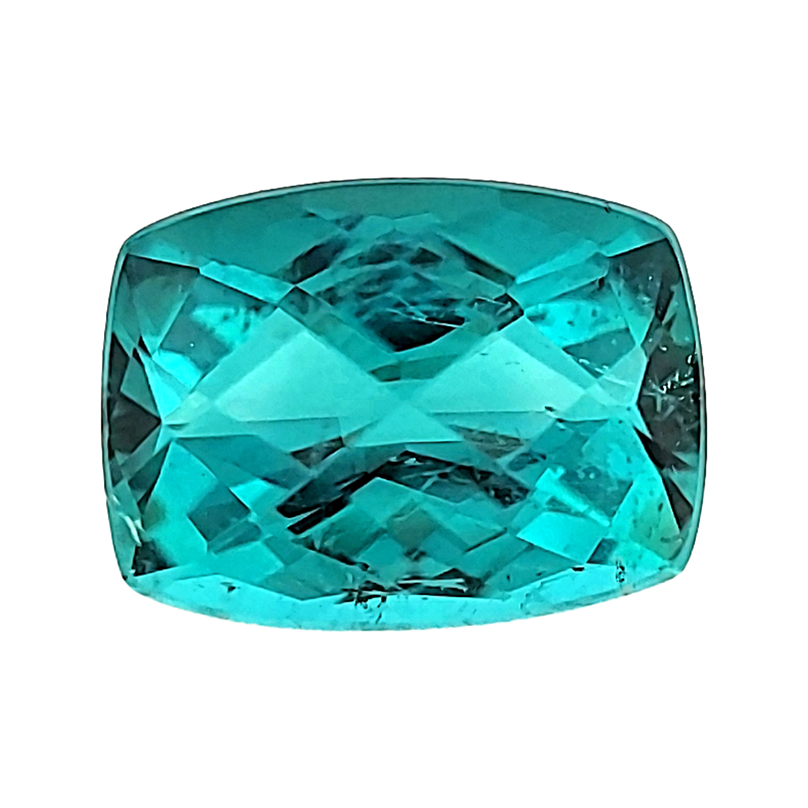
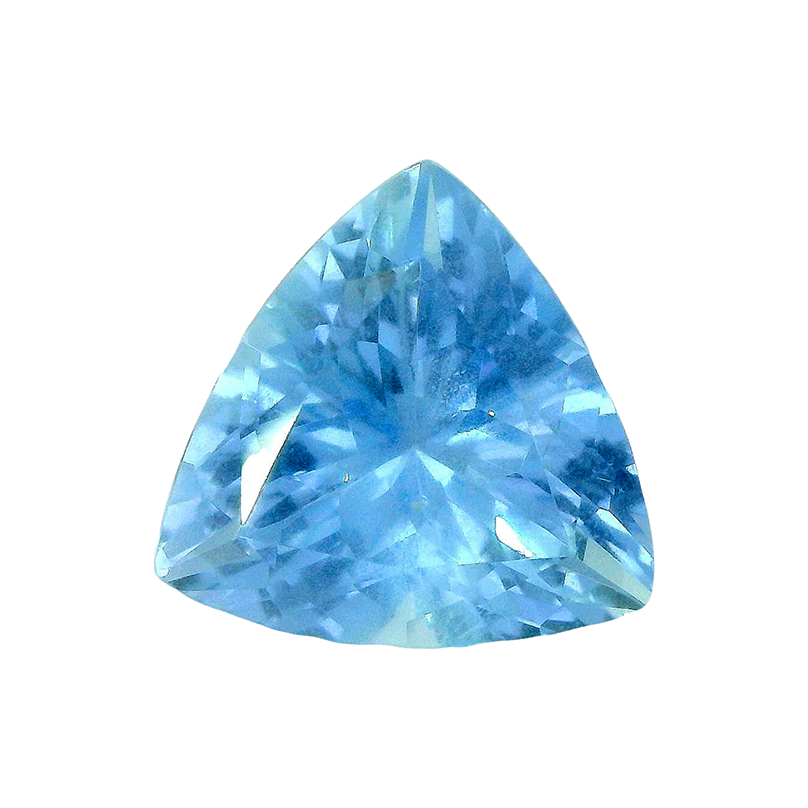
Rich indigo blues and vibrant oceanic teals of Indicolite Tourmaline are paired with the full range of Aquamarine hues, from light and tranquil to vivid true blue, shifting attention gracefully between each gemstone for a dynamic and sophisticated combination.
Whether inspired by the structured softness of Silk Pastels, the vibrant energy of Electric Bloom, the ethereal elegance of Luminous Shell, or the serene depth of Mist & Tide, we hope these aquamarine palettes spark inspiration for creating striking, one-of-a-kind gemstone designs this March.

Image Credits:
Hero Image · Palette 1 · Palette 2 · Palette 3 · Palette 4
 
all gemstone images are our own

Color Stories: Aquamarine Four Fresh Gemstone Color Palettes for March’s Birthstone Aquamarine is often associated with pastel blues and classic March […]

Noelle’s Notes: Zircon

As a second generation gem dealer, I’ve been surrounded by gemstones my entire life. I have been learning about rough and faceted gems, experiencing their beauty and diversity hands-on for as long as I can remember. My passion for gems and fascination with the glorious ways that mother earth creates such beauty is boundless.

I hope to share my passion, knowledge, and insights to help my jewelry designer clients build a deeper understanding of the stones that I sell, inspire their creativity, and solve design problems, so that they may tap into this knowledge as a resource when designing and selling.

Noelle’s Notes is my way of sharing my valuable insights, key qualities, and unique features of colored gemstone materials in a format that you can refer back to whenever you need a refresh. 

To kick off this series, I have chosen to feature Zircon, a scintillating gemstone material that is growing in popularity and recognition. A stone that I have always adored and believe is so underrated, for now at least. 
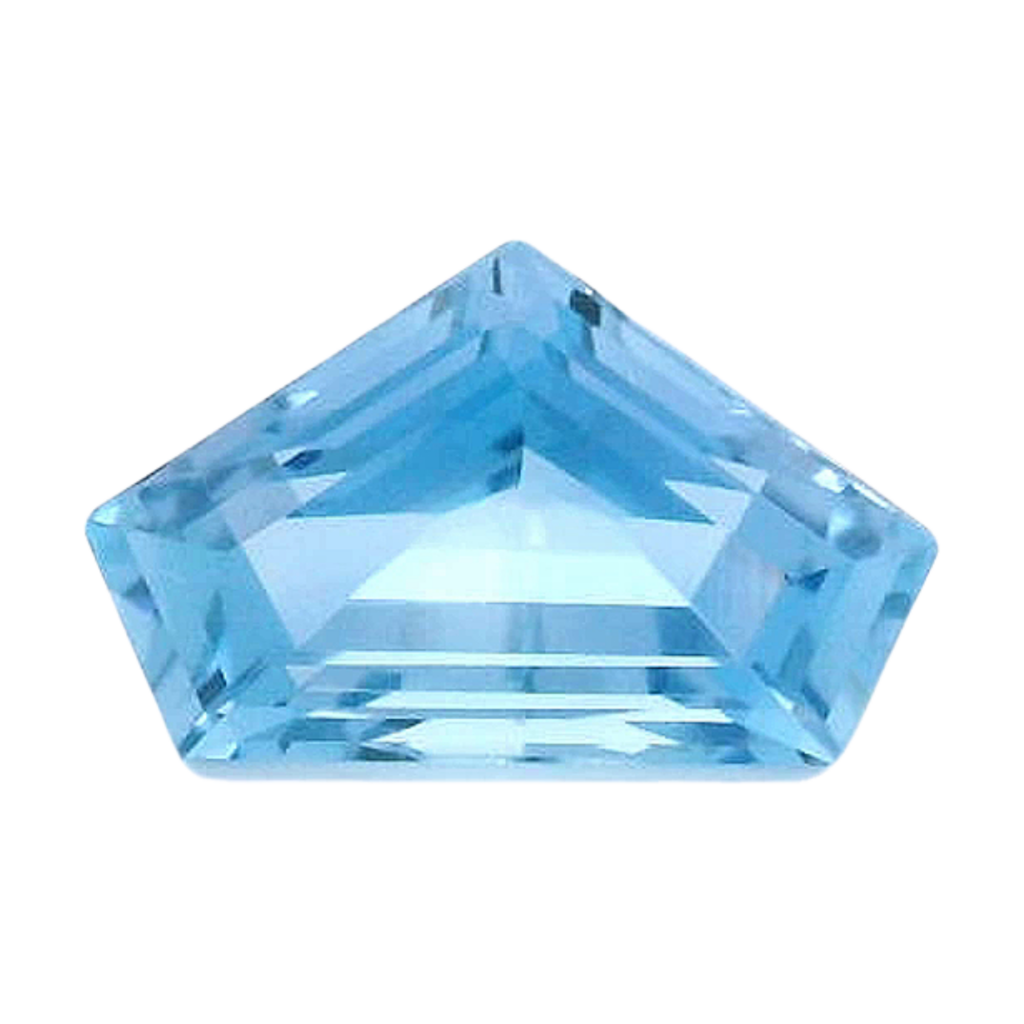
Something we should clarify right away: Zircon is NOT Cubic Zirconia, CZ.

Cubic Zirconia (CZ) is a man-made material often used as a diamond alternative.

Zircon is a natural gemstone. The oldest Zircon crystals date back over 4 billion years making Zircon the oldest
surviving minerals we have found on earth.

Zircon

Mohs Hardness: 6.5 – 7

Birthstone: December (along with Turquoise, Tanzanite,
and Topaz)

Color: Blue, Red, Pink, Yellow, Orange, Champagne, Brown,
Green, White (Colorless), Color-Change

Common Origins: Thailand, Cambodia, Vietnam, Sri Lanka,
Myanmar (Burma), Madagascar, Brazil, Tanzania

Treatments and Enahancements:

– Color produced by heat treatment is stable

– Blue and red Zircon are typically heat-treated

– Champagne, light pink, and white Zircon may be heated or
unheated

– Color-change Zircon is usually unheated

Jewelry Use:

– Suitable for all types of jewelry

– Wear with care; avoid sharp impacts or rough handling

Care and Cleaning:

– Store separately to prevent contact with harder gemstones

– Clean using warm, soapy water and a soft toothbrush

– Do not use ultrasonic or steam cleaners

We’ve created a Zircon fact sheet for you to print and keep on hand as a helpful reference. Click on the fact sheet to
download a copy to save or print for your gemstone reference library.

Now that you have a basic overview of Zircon, let’s explore its standout features and why it’s a favorite of mine.

Powerful Sparkle

Zircon is a doubly refractive (birefringent) gemstone material, meaning it splits a single ray of light into two different rays when it enters the stone. In effect, there is even more light to bounce around the gemstone facets and flash back at you. This property is what gives Zircon its exceptional brilliance, sparkle, and fire.

The playful sparkle of a faceted Blue Zircon is like the sunlight glittering on moving water, shimmering on a bright day. A rose cut champagne-colored Zircon flashes like a luxe disco ball, full of mesmerizing glamour. Orange and brown Zircon flash with an evocative, warm, and passionate fire.

Broad Color Palette

Color is the first factor we consider when discussing gemstones. Zircon is an exciting material because it offers us a
broad and unique color palette to design with.

There are delicate muted tones like rosy pink, soft apricot orange, champagne gold, elevated brown, and moody,
inky blue.

For a more vibrant color scheme, Zircon offers vivid hues of cerulean blue, bubble gum pink, ginger orange, and
sunny yellow.

Green Zircon is rare, but occurs in olive and deep green hues.

Even more rare, is color change zircon, typically changing in color from
green to blue depending on the light.

This 5.67 ct Color-Change Zircon from Burma is one of the newest pieces in
our inventory. This cushion cut stone transitions from a deep midnight blue
to a verdant forest green.


Cool Cuts

Working with gemstones is a practice of both art and science. Custom gemstone cutting is part of the legacy passed on to me by my father. My time spent managing our lapidary workshop in Bangkok, Thailand gave me detailed knowledge of how rough gemstones can be shaped into classic cuts, fancy cuts, and custom designed gemstone cuts.

I’m able to assess scientific qualities of gemstones: crystal forms (habits), how these forms impact how crystals display color, and how they interact with light. This foundation of scientific knowledge and practical experience supports my creativity when planning gemstone cuts to create the most beautiful stone from each piece of rough.

Zircon is an incredible stone to work with because it stands out in both classic and fancy cuts. Geometric, sharp cornered shapes and elongated facets accentuate Zircon’s sparkle with broad flashes of light.

Rounded cuts with numerous small facets capture Zircon’s sparkle creating a shimmering pool of light.


Great Value

I love introducing designers to Zircon because its price point allows designers to focus on their vision and craft while working with materials they truly love.

Zircon provides impactful color and brilliance that are a perfect fit as matched pairs and center stones, at a price per carat that allows clients to work with larger gemstones and stay on budget.

Our gemstone inventory celebrates Zircon’s beauty by highlighting the gemstone’s diverse color range and cut variety.

I love Zircon so much that this year I made myself my very own three stone ring in 18K yellow gold featuring 2 champagne-colored Zircons
and one rose-colored Zircon.
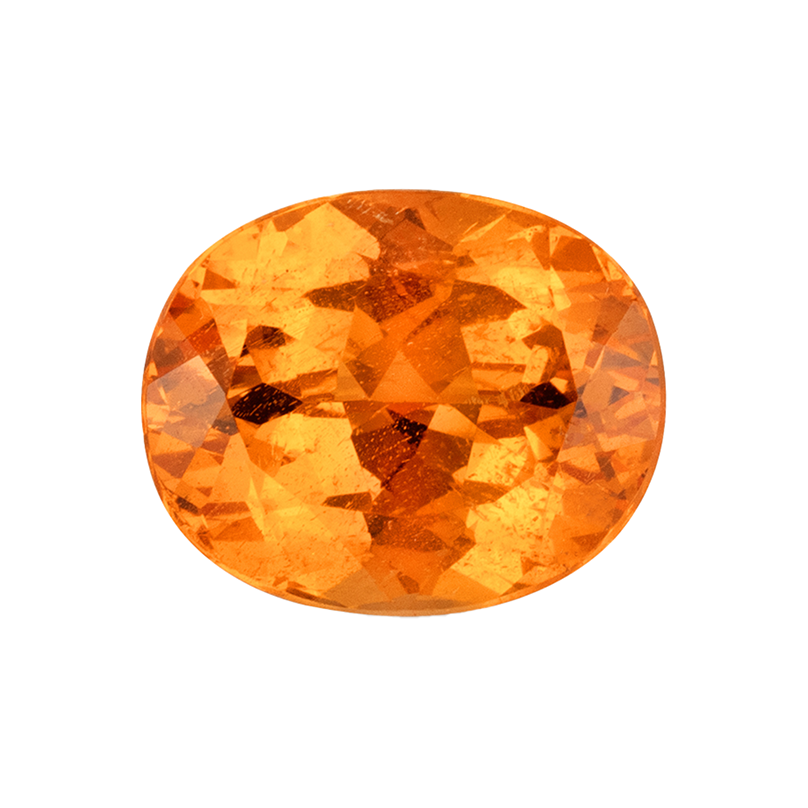
I hope our discussion of Zircon filled you with inspiration!

Browse our inventory of Zircon.


Noelle’s Notes: Zircon As a second generation gem dealer, I’ve been surrounded by gemstones my entire life. I have been […]
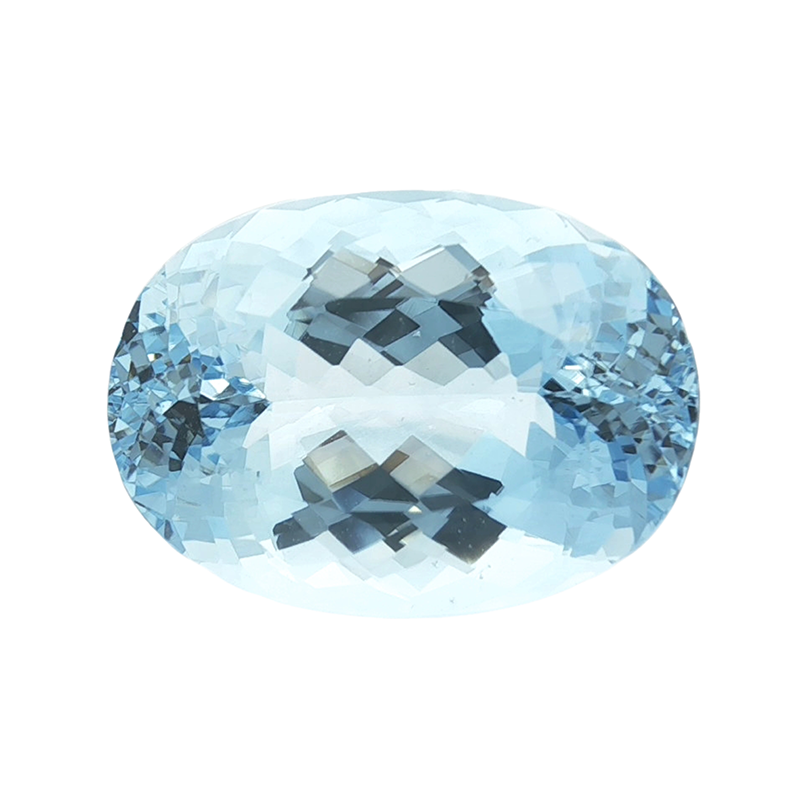
Color Stories: Topaz

More Than Just Blue
Every month sees a new wave of conversations about birthstones in the jewelry industry.  If you’re used to having these conversations with colleagues and clients, then you know that November birthdays are often unfamiliar with the full variety of colors of their birthstone  – Topaz
 
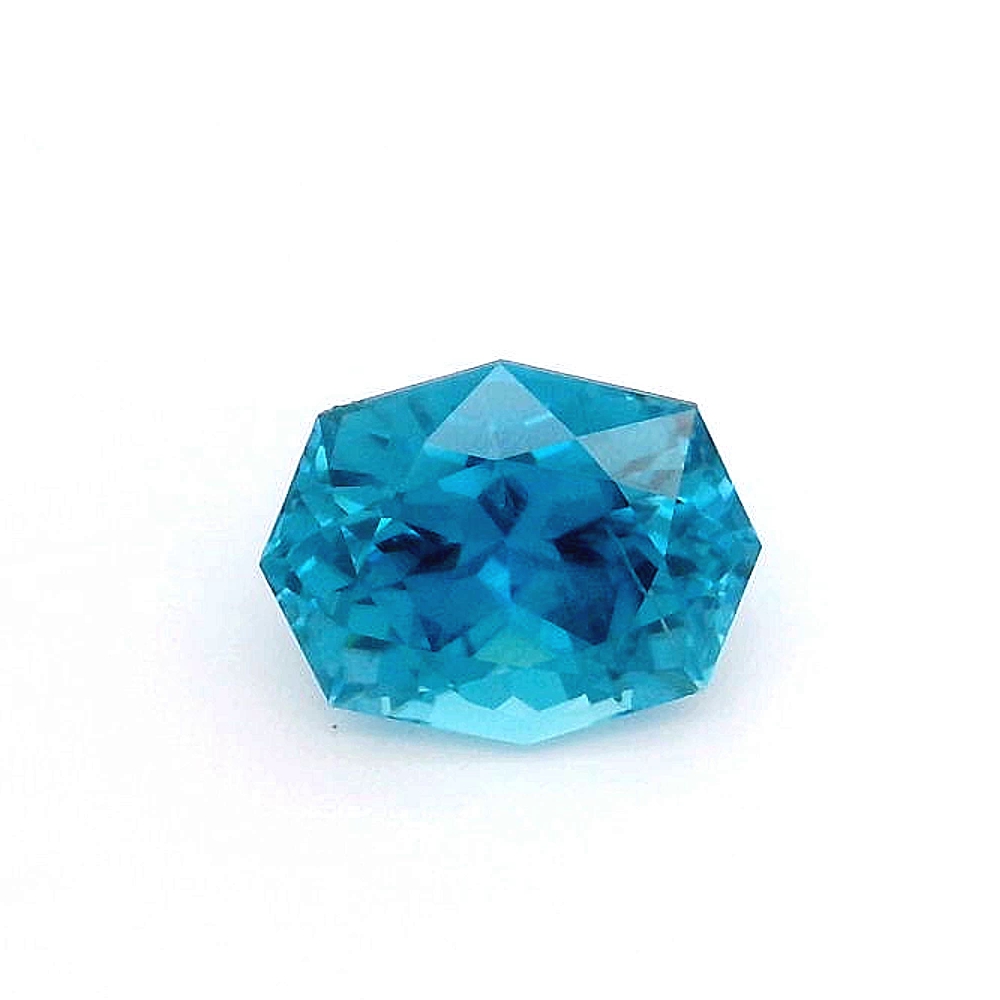
Topaz is available in a full spectrum of blue hues from delicate Sky Blue Topaz to bright and clear Swiss Blue Topaz, and rich and moody London Blue Topaz.
 
Topaz also creates a full palette of warm-toned colors.  Precious Topaz is characterized by golden honey and amber yellows, as well as juicy peach, coral, and orange shades. Imperial Topaz, from Ouro Preto, Brazil is the rarest variety of Topaz, and is prized for its saturated pinkish-orange and fiery red hues. 
 
There is no shortage of inspiration when creating jewelry for September Sapphire or May Emerald, but finding inspiration for November Topaz can be tricky. 
Below are four color palettes celebrating the full range of Topaz to inspire you throughout November. 


Palette 1: Fire & Spice


Topaz paired with Garnet, Sapphire, Tourmaline, Zircon


Palette 2: Burgundies & Blues 


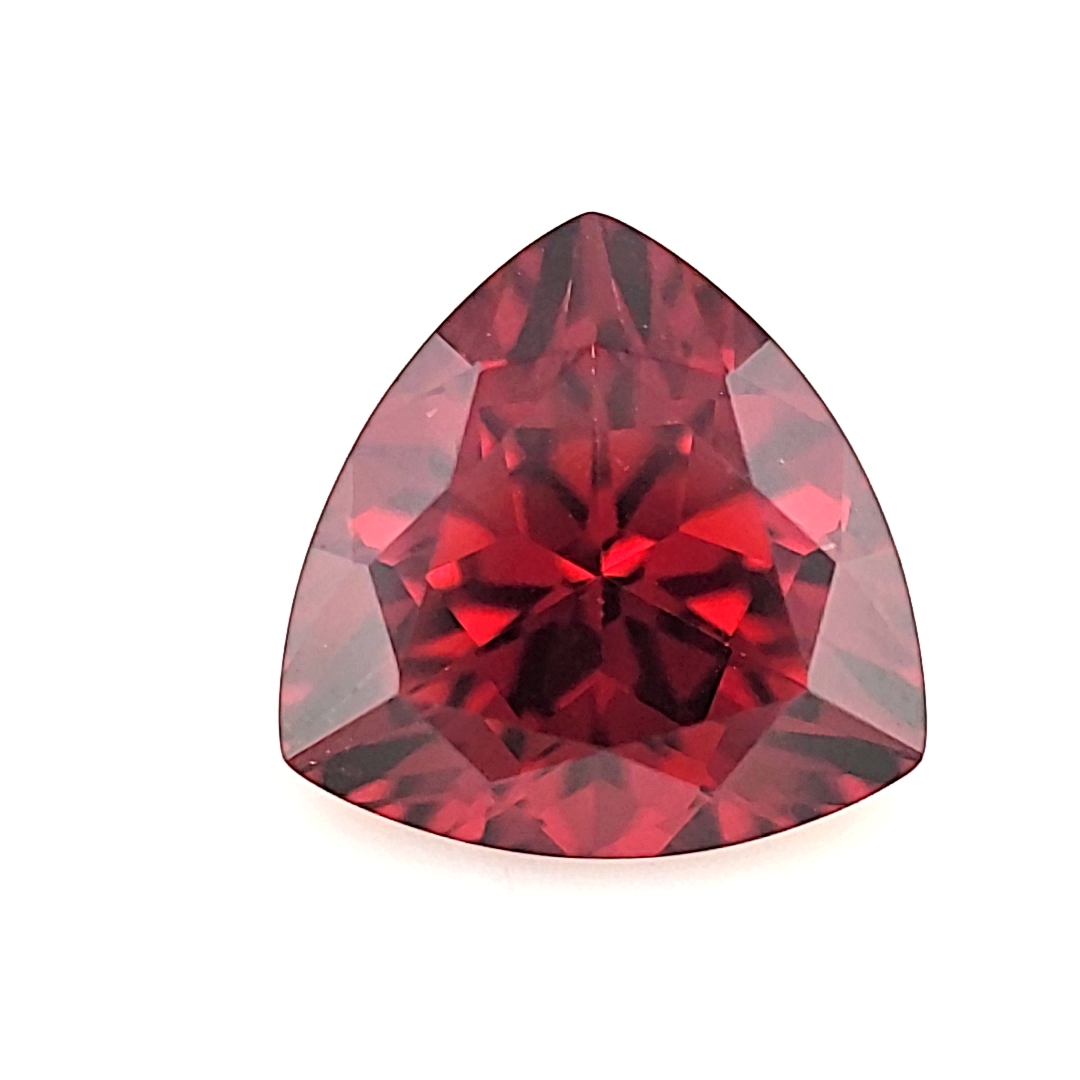
Topaz paired with Garnet, Ruby, Spinel, Tourmaline


Palette 3: Airy Blues & Grassy Greens 


Topaz paired with Garnet, Peridot, Sapphire Tourmaline


Palette 4: Sherbet Sunrise 


Topaz paired with Garnet, Tourmaline, Zircon, Sapphire


Feeling inspired and want to see more?

Browse the New Arrivals in our gemstone inventory!


💠 Image Sources

Palette 1: 1 2 3 4 5
Palette 2: 1 2 3 4 5
Palette 3: 1 2 3 4 5
Palette 4: 1 2 3 4 5

Color Stories: Topaz More Than Just Blue Every month sees a new wave of conversations about birthstones in the jewelry […]

Spring through fall is wedding season, a time when retail, press, and event calendars revolve around engagements, ceremonies, and anniversaries. As jewelry professionals, we often accompany our clients through all of these milestones.
Whether the wedding season ramps up for you in spring or continues year-round, let these ideas spark new ways to connect with clients and incorporate fine colored gemstones into meaningful, memorable designs.


Photo by Constantin Panagopoulos on Unsplash
Something Blue (with a twist)

“Something old, something new, something borrowed, something blue…”

This beloved tradition is a perfect opportunity to create personal, sentimental jewelry using fine colored gemstones.


How to Sell It:


Refresh an heirloom.
Replace a damaged or under-loved stone in a treasured piece with one of our vibrant blues. Use our custom filters to easily browse by cut, material, or shade.


Add a personal touch.
Add a personal touch by combining gems from our inventory with your client’s existing jewelry, like adding blue charms to a favorite pair of huggie hoops or setting stones into a simple cufflink.


Need inspiration?

Explore our beautifully varied selection of tourmaline, aquamarine, zircon, and more to help your client find their perfect “something blue.”


Browse Blue Stones


Thanks, Bestie!


Brides and grooms often want to thank their closest people with a gift that’s meaningful and personal—something they’ll actually wear long after the big day


How to Sell It:


Keep it thoughtful, not extravagant.

We offer stones across a range of price points, so you can help clients create gifts that feel special without going over budget.


Design with ease.

Our calibrated stones and broad selection of materials make it simple to design matching pieces that work beautifully with any color scheme.


Make it memorable.

Fancy shapes and custom cutting options help create pieces that feel one-of-a-kind—perfect for gifts that go far beyond the wedding day.


Browse Stones Under $500          Browse Parcels           Browse Designer Cuts


<a href="https://www.pexels.com/photo/woman-wearing-gray-dress-3394237/">Photo by Inga Seliverstova </a>
Dressed to Attend

When it comes to weddings, guests often spend a lot of time shopping for the perfect outfit—whether buying, renting, or styling something in a new way for the occasion. Jewelry is an essential part of completing that look, yet it’s often an afterthought. By positioning fine jewelry as a key element of wedding guest dressing, you can help your clients elevate any outfit with pieces that become lasting wardrobe staples.


How to Sell It:


Design a bold go-to.

Create a powerful piece of jewelry using gemstones that pop. Bold designs can transform a classic black dress or speak to a client’s signature style, making one standout piece the secret to effortless event dressing.


Create pieces that mix and last.

Classic designs pair effortlessly with rental looks or an evolving wardrobe, while high-quality gemstones and craftsmanship ensure these pieces become staples your clients will wear again and again.


Replace one-hit wonders.

When natural gemstones meet your expert craftsmanship, the result is jewelry that’s made to party and stay in rotation. Unlike costume pieces, these designs aren’t just for one night—they’re built to last.
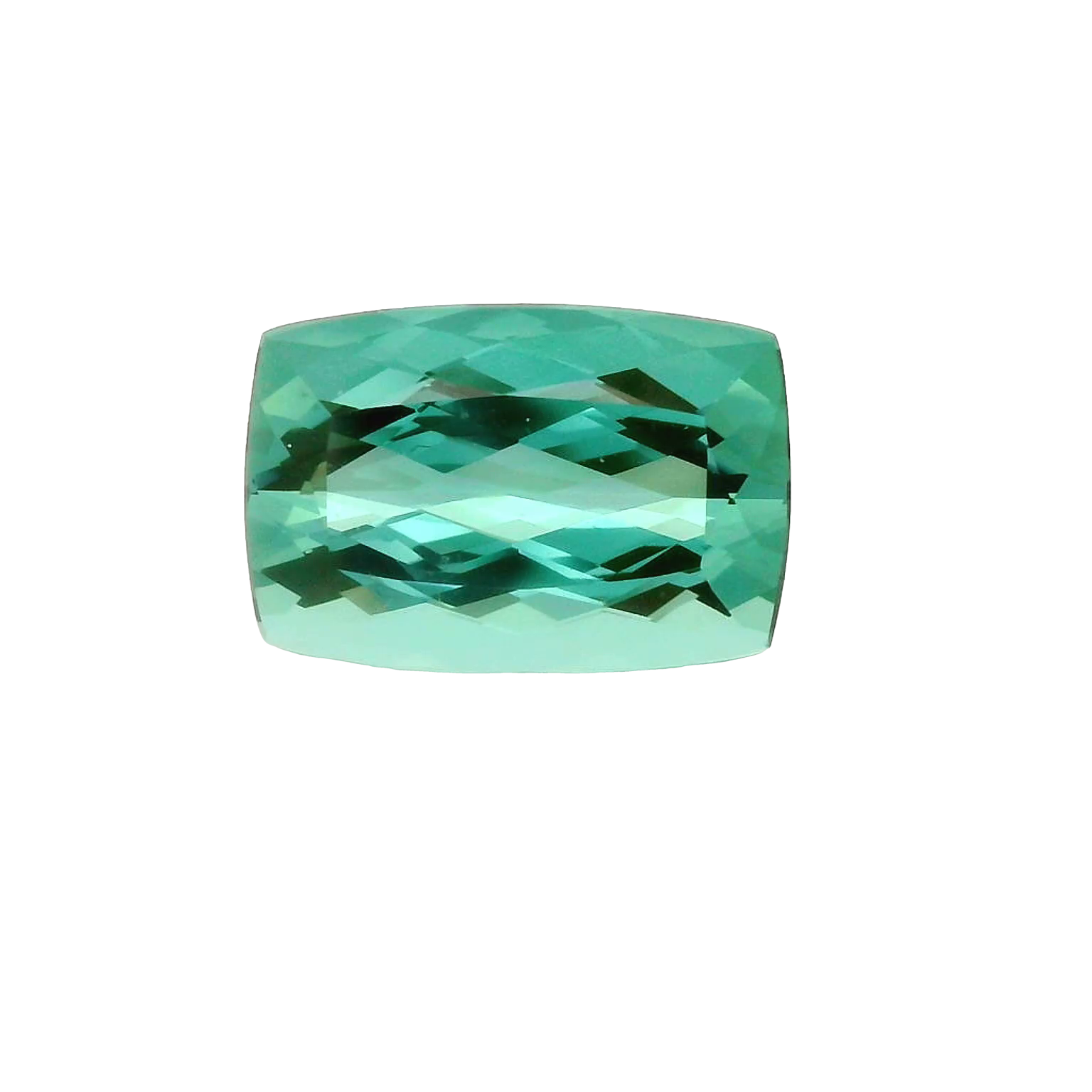


Browse Bi-Color Stones


<a href="https://www.pexels.com/photo/jewelry-on-a-silk-sheet-4714615/"> Photo by Leeloo The First </a>Meaningful Gifts for the Big Day

Weddings are full of meaningful traditions, and jewelry gifts are a beautiful way to honor those moments. Whether designing a gift exchanged between the couple on their wedding day or a deeply personal present from family and friends, jewelry adds lasting significance.


How to Sell It:


Offer thoughtful guest gifts.

Remind your clients that jewelry isn’t just for the couple to exchange. Wedding guests can give meaningful, lasting tokens of celebration through jewelry gifts that go beyond the usual registry roundup.


Highlight meaningful gemstones.

Encourage your clients to choose stones that tell a story by sourcing birthstones or gems from places that hold special memories for the couple. It’s more than jewelry; it’s a keepsake filled with personal meaning.


Create coordinating couple’s sets.

Suggest designing two matching or complementary pieces for the bride and groom. It’s a wearable love story, connected designs and gemstones that celebrate their bond in style.


Feeling inspired and want to discuss wedding jewelry with us? Reach out!

Spring through fall is wedding season, a time when retail, press, and event calendars revolve around engagements, ceremonies, and anniversaries. […]

Color Pairings

Design Strategies: Color & Diamonds

Design Strategies: Color & Diamonds Three Approaches to Pairing Colored Gemstones with Diamonds Diamonds and colored gemstones have always shared a place in fine jewelry, but today’s designers are using that pairing in more intentional

Birthstones

Color Stories: Aquamarine

Color Stories: Aquamarine Four Fresh Gemstone Color Palettes for March’s Birthstone Aquamarine is often associated with pastel blues and classic March birthstone jewelry, but  it offers far more versatility than its traditional reputation suggests.   Its

Birthstones

Noelle’s Notes: Zircon

Noelle’s Notes: Zircon As a second generation gem dealer, I’ve been surrounded by gemstones my entire life. I have been learning about rough and faceted gems, experiencing their beauty and diversity hands-on for as long

Birthstones

Color Stories: Topaz

Color Stories: Topaz More Than Just Blue Every month sees a new wave of conversations about birthstones in the jewelry industry.  If you’re used to having these conversations with colleagues and clients, then you know

Photo by Constantin Panagopoulos on Unsplash
Tips & Tricks

How to Sell the Season: Wedding Jewelry Edition

Spring through fall is wedding season, a time when retail, press, and event calendars revolve around engagements, ceremonies, and anniversaries. As jewelry professionals, we often accompany our clients through all of these milestones. Whether the

Ready to experience the NH gem buying experience?

0
    0
    Your Cart
    Your cart is emptyReturn to Shop
    Scroll to Top

    "*" indicates required fields

    This field is for validation purposes and should be left unchanged.
    This field is hidden when viewing the form

    No cart or wishlist items found.

    "*" indicates required fields

    This field is for validation purposes and should be left unchanged.
    This field is hidden when viewing the form

    No cart or wishlist items found.

    "*" indicates required fields

    This field is hidden when viewing the form