Register for a wholesale account to view pricing & request a memo.

Noelle’s Notes: Exploring the
World of Tourmaline

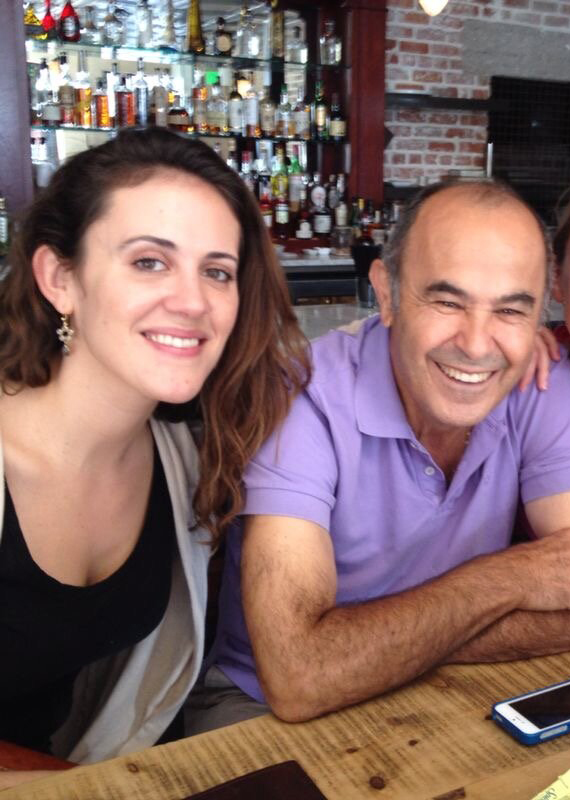
Tourmaline is my all time favorite gemstone, and my love for this material runs deep. As a second-generation gemstone dealer, my connection to tourmaline began long before I entered the family business. It began with my dad, Caesar Abi-Habib, whose passion for gemstones definitely influenced my own.

After moving to the United States from Lebanon to escape war and pursue a college education, my dad started working with family members in Brazil, where they were involved in the gemstone trade. Brazil is renowned for its extraordinary diversity of colored gemstones, with regions such as Minas Gerais and Bahia producing exceptional tourmaline, beryl, imperial topaz, amethyst, alexandrite, and more.

Dad had the heart of a poet and a deep appreciation for all things beautiful. Brazil’s remarkable gemstone diversity captivated him, and tourmaline became a particular passion. When he established his own business, Kaiser Gems, he chose to focus on Brazilian gemstones.
One of my favorite stories he shared was about the discovery of Paraíba tourmaline in 1989. My father was able to purchase significant quantities of rough in windex blue and teal hues, which he had cut into clean, calibrated parcels of faceted stones in 1 carat plus sizes. The Japanese market devoured them. He sold them as quickly as he could have them cut. I love sharing this story with friends in the gem and jewelry industry and watching their eyes widen as they imagine the stones he handled during those early days of Paraíba’s discovery.

Watching my father transform rough gemstones into exquisite faceted gems, and later working alongside him, instilled in me a deep appreciation for tourmaline that continues to influence my inventory today.

In this edition of Noelle’s Notes, I’m sharing a guide to tourmaline, exploring its colors, origins, treatments, and potential for jewelry design. Whether you’re sourcing stones, developing a collection, or helping customers choose a gemstone, understanding these characteristics can help you make more informed decisions and tell the story of tourmaline with confidence.

Tourmaline At A Glance

Tourmaline

Mohs Hardness: 7 – 7.5
Birthstone: October, along with Opal
Color: Red, Pink, Orange, Yellow, Green, Blue, Purple, Brown, Black, Colorless, Bi-Color, Tri-Color, and Cat’s Eye
Common Sources: Brazil, Nigeria, Mozambique, Namibia, Madagascar, Tanzania, Zambia, Ethiopia, Afghanistan, Pakistan, and the United States
Treatments and Enahancements:
– Some tourmalines undergo heat treatment or irradiation to enhance color
– Certain stones may undergo fracture filling to improve apparent clarity
Jewelry Use:
 
– Suitable for all types of jewelry 
 
– Consider inclusions, fractures, cut, and intended wear when selecting a stone
Care and Cleaning:


– Clean using warm, soapy water and a soft toothbrush
 
– Do not use ultrasonic or steam cleaners
 
– Avoid high heat and sudden temperature changes
Use this fact sheet as a quick reference for your gemstone library or sales team.

Tourmaline Fact Sheet

Physical Properties

Tourmaline ranks 7–7.5 on the Mohs hardness scale, making it suitable for many types of jewelry. However, hardness measures resistance to scratching, not overall toughness. Tourmaline can be vulnerable to damage from sharp impacts, particularly when fractures or certain inclusions affect the stone’s structural integrity.
 
One of tourmaline’s most recognizable characteristics is its crystal structure. It typically forms elongated crystals with triangular cross-sections, and this natural shape can influence how rough material is cut. Tourmaline often lends itself to elongated cuts, including dramatic pear shapes and emerald cuts.
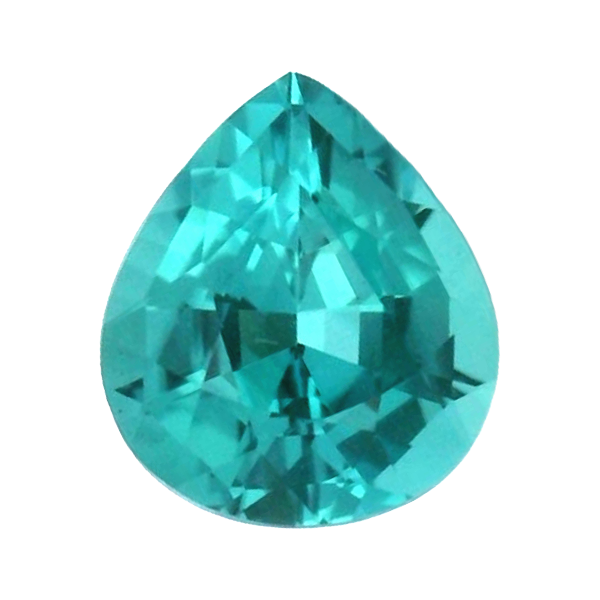
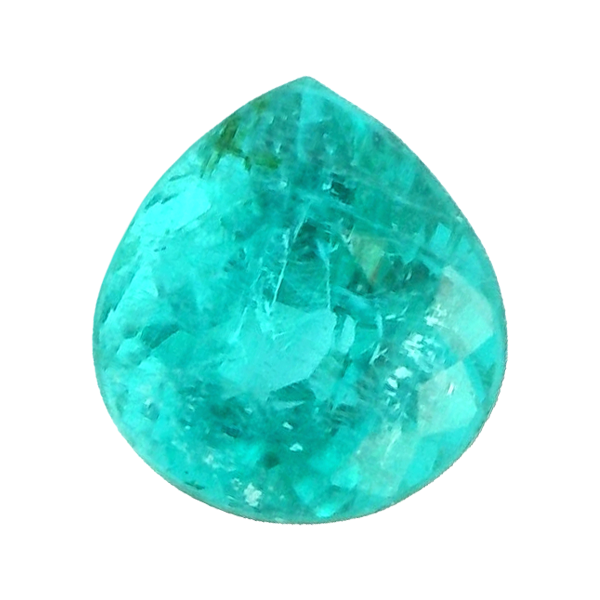
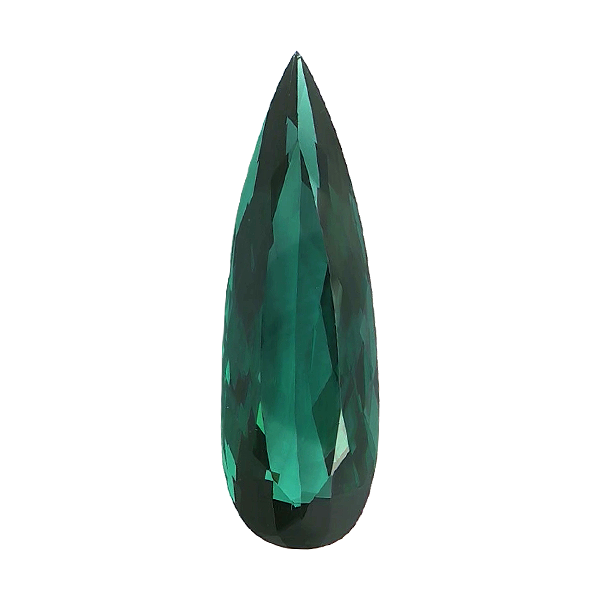
Tourmaline - 8.54 ct
Blue-Green, Pear Cut
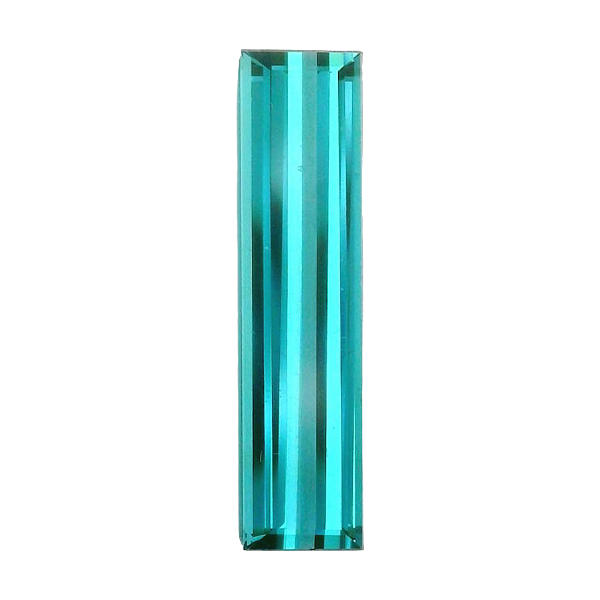
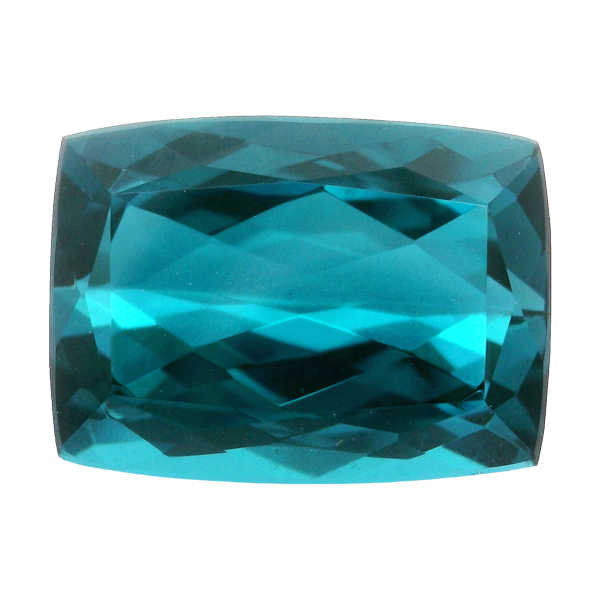
Tourmaline - 2.96 ct
Lagoon Blue, Baguette Cut
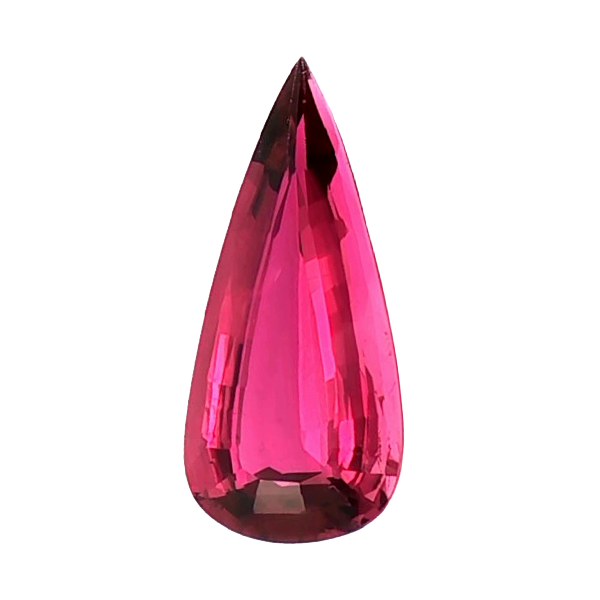
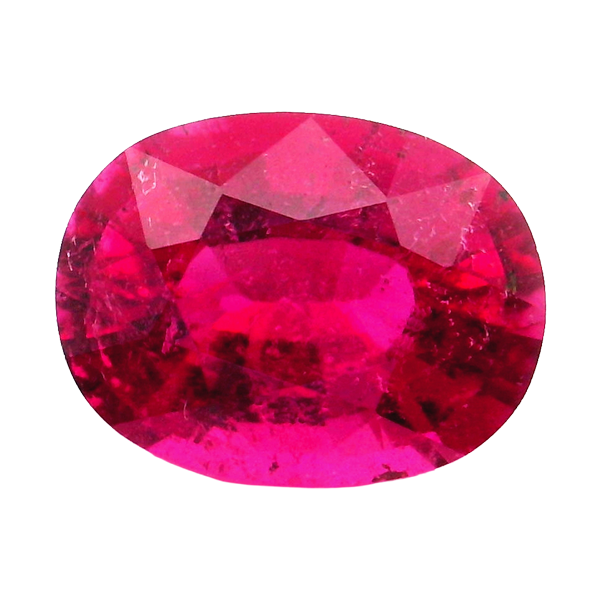
Tourmaline - 6.95 ct
Rubellite Pink, Pear Cut
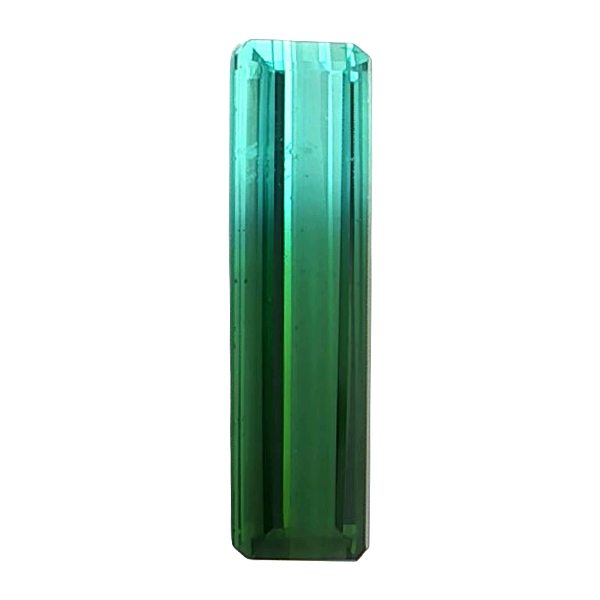
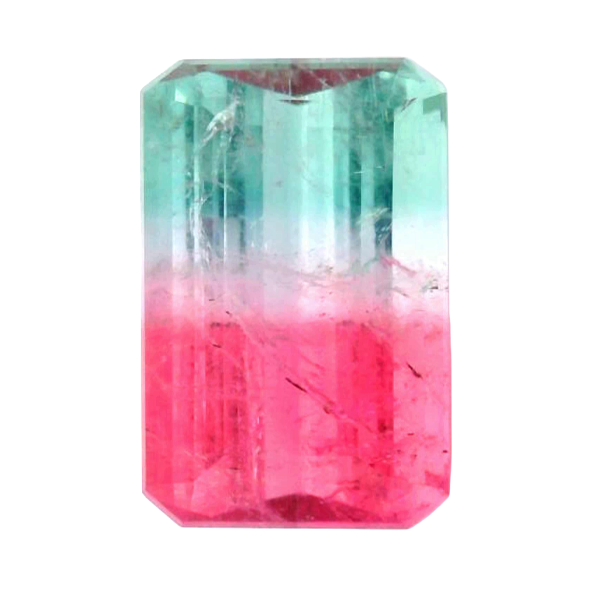
Tourmaline - 6.11 ct
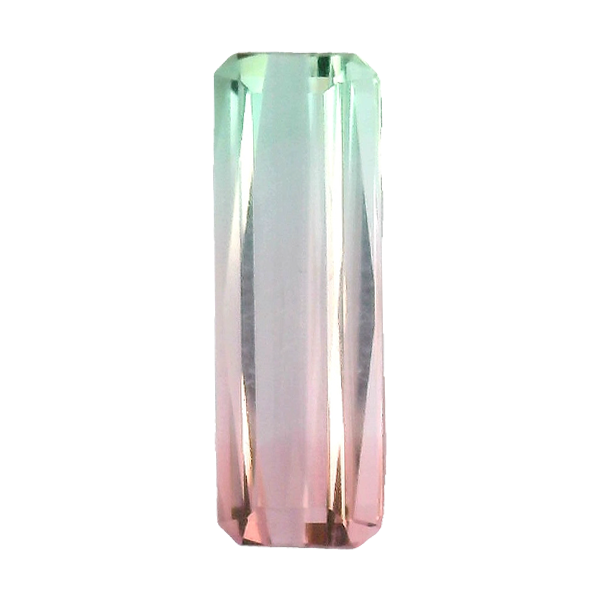
Bi-Color, Emerald Cut
 Tourmaline also frequently contains natural inclusions formed as the crystal grows. These can range from fine internal features to more noticeable inclusions that affect transparency and appearance. As with emeralds, included tourmalines with exceptional color can still be considered fine quality. The type, location, and extent of inclusions all influence a stone’s value and suitability for jewelry.
 
For designers, thoughtful setting is especially important when working with stones that have vulnerable edges, corners, or surface-reaching fractures. Tourmaline can be used in rings and other frequently worn jewelry, but the setting should take the individual stone’s characteristics into account.

A Full Spectrum of Colors

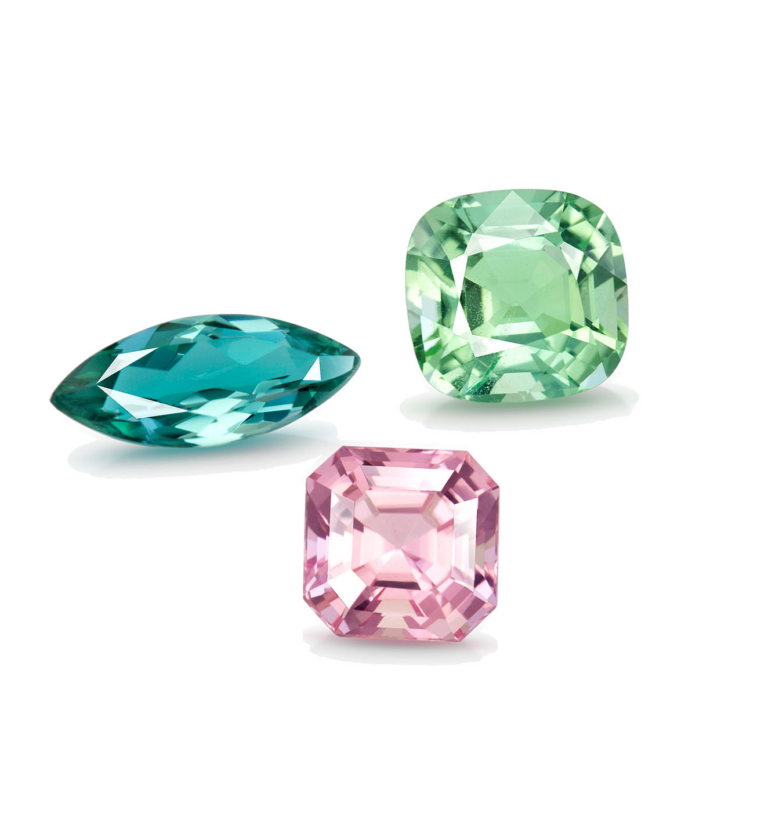
Tourmaline has one of the broadest color ranges of any gemstone. It occurs in virtually every color of the rainbow, from delicate pastels to vivid, electric hues. Bi-color and tri-color tourmalines expand this palette even further, bringing multiple colors together in a single crystal.
 
Some tourmaline names are descriptive, while others refer to distinctive color varieties or chemical elements associated with their color. Here are several varieties worth knowing.
 

Pinks and Reds

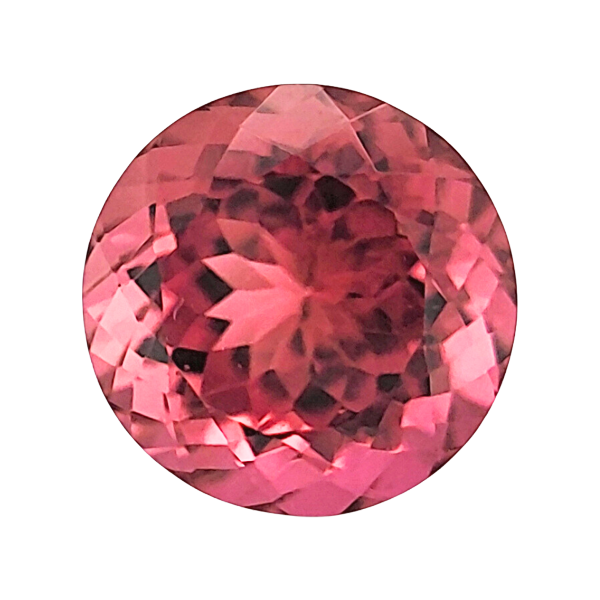
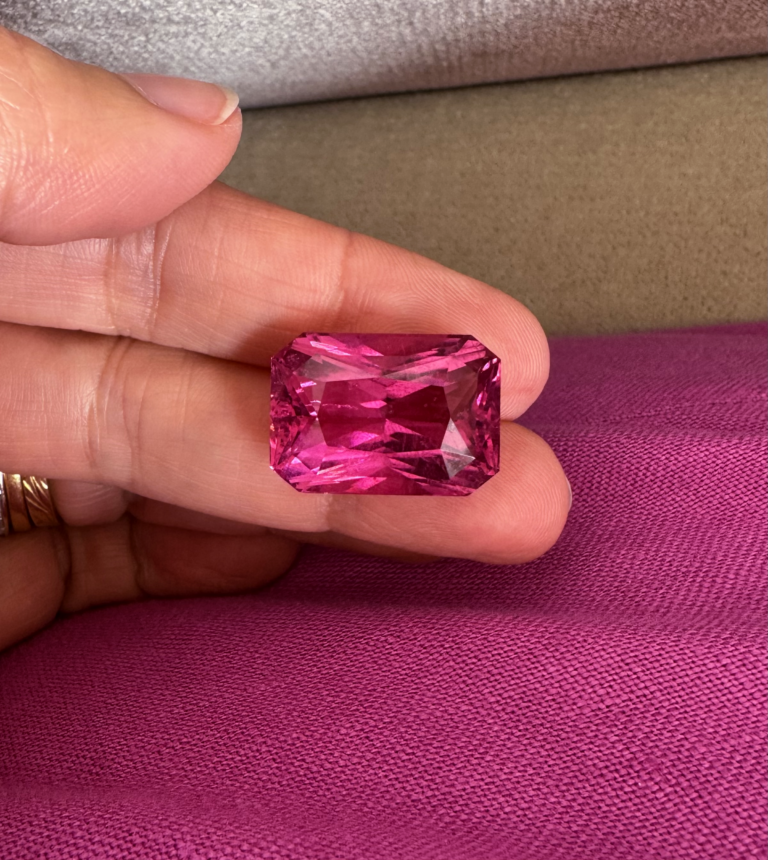
Rubellite is a trade name used for particularly attractive pink to red tourmaline, including vivid magenta, fuchsia, and saturated purplish-red hues.
 
I have a particular love for the bright fuchsia and magenta end of this spectrum. These colors bring energy and personality to a design, making rubellite an exciting choice for statement rings, pendants, and colorful fine jewelry.
 
Pink and red tourmalines also occur in softer shades, from baby pink and peachy pink to muted wine hues. Not all pink tourmaline is classified as rubellite; the term is generally reserved for material with a rich, desirable pink-to-red color.
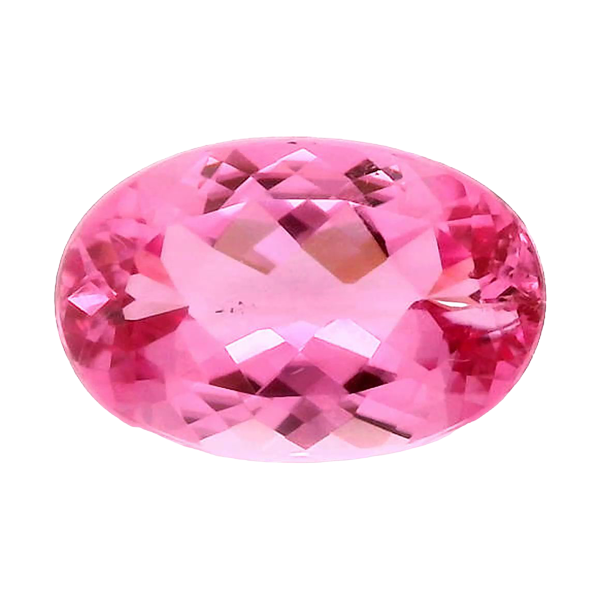
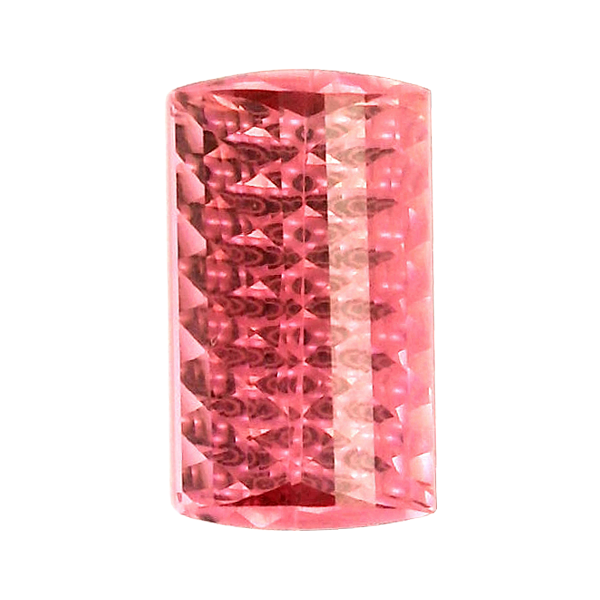
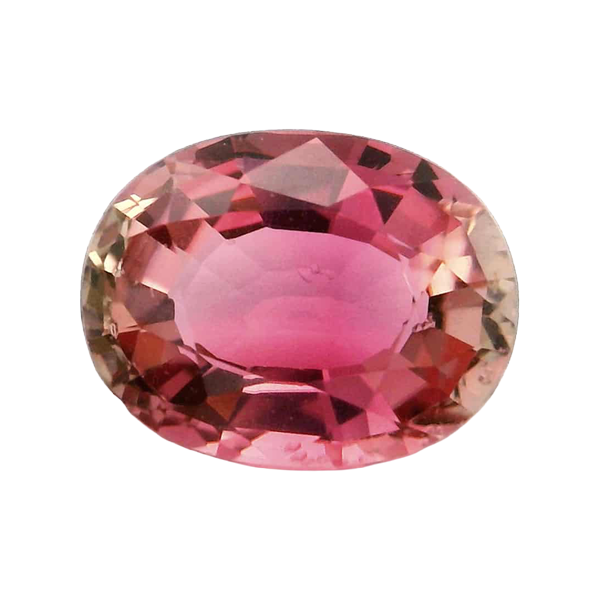
Tourmaline - 5.11 ct
Pink, Oval Cut
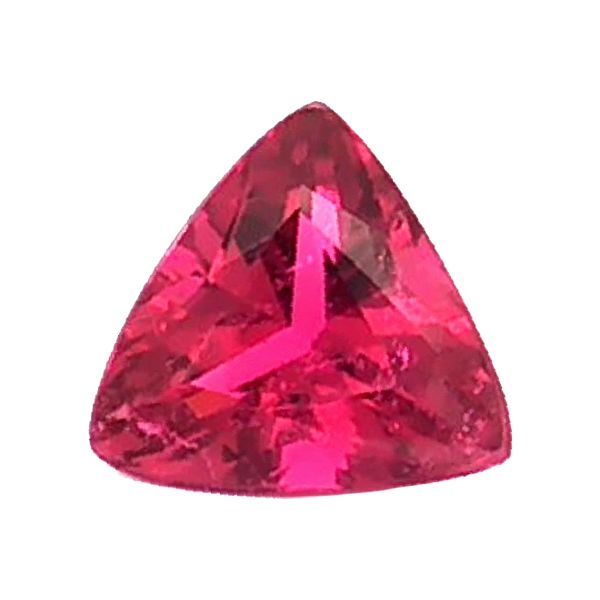
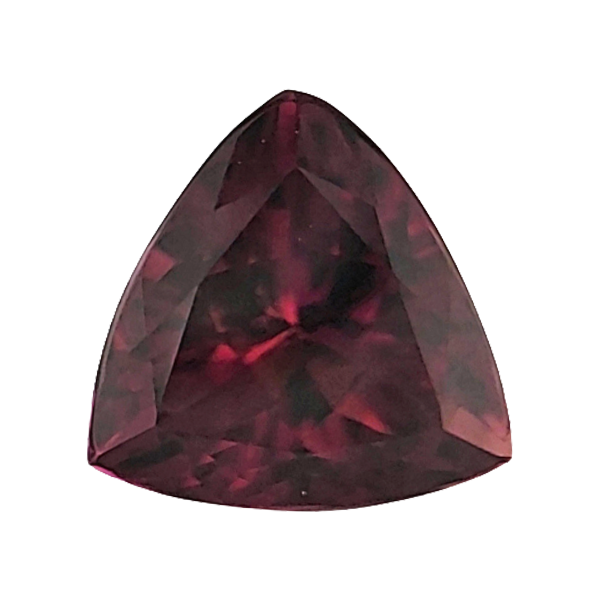
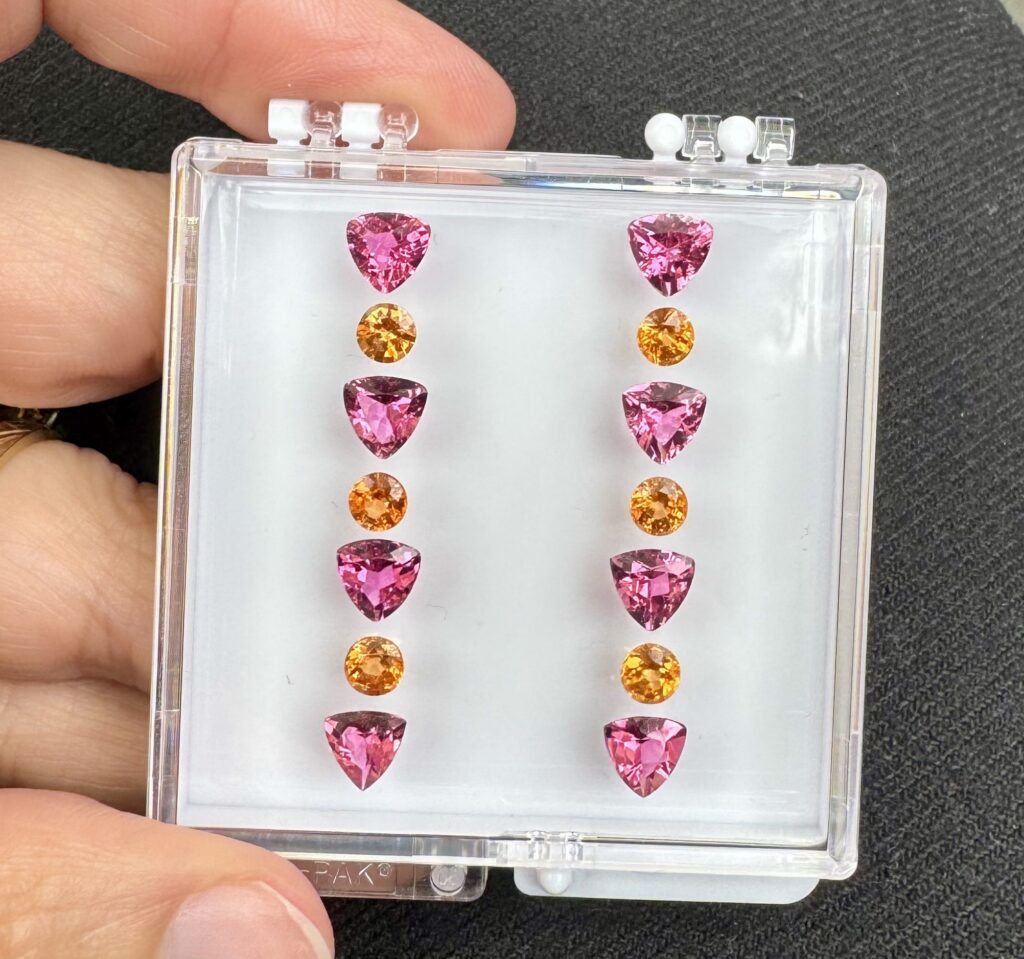
Tourmaline - 2.23 ct
Rubellite, Trillion Cut
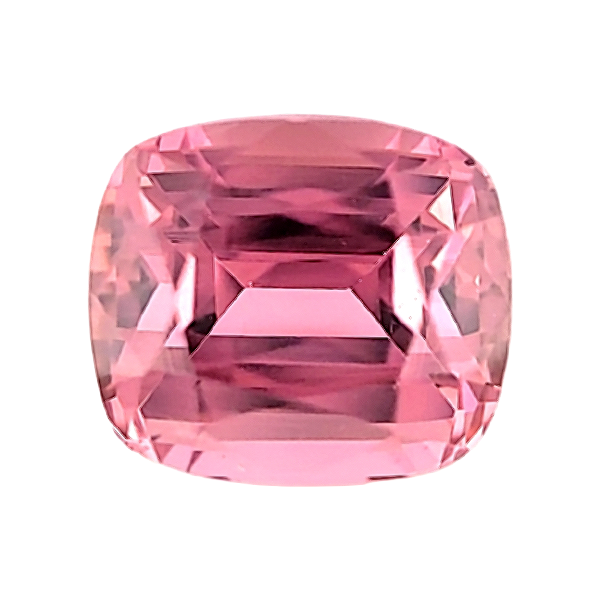
Tourmaline - 3.69 ct
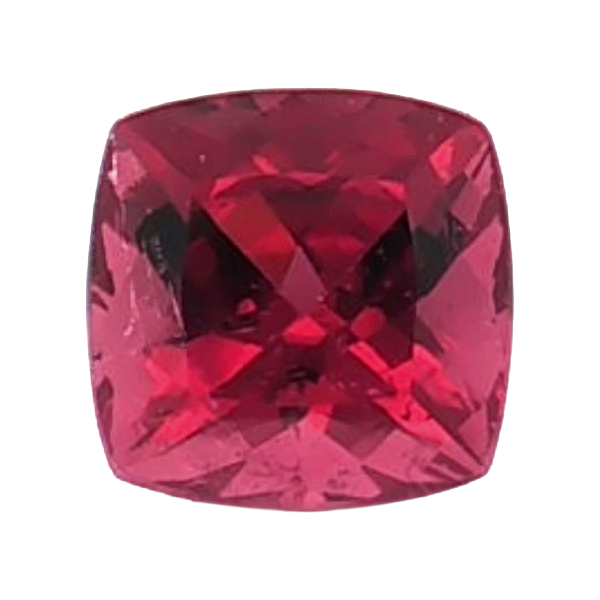
Pink, Cushion Cut
Tourmaline - 5.55 ct
Pink, Cushion Cut
Tourmaline - 3.72 ct
Pink, Cushion Cut
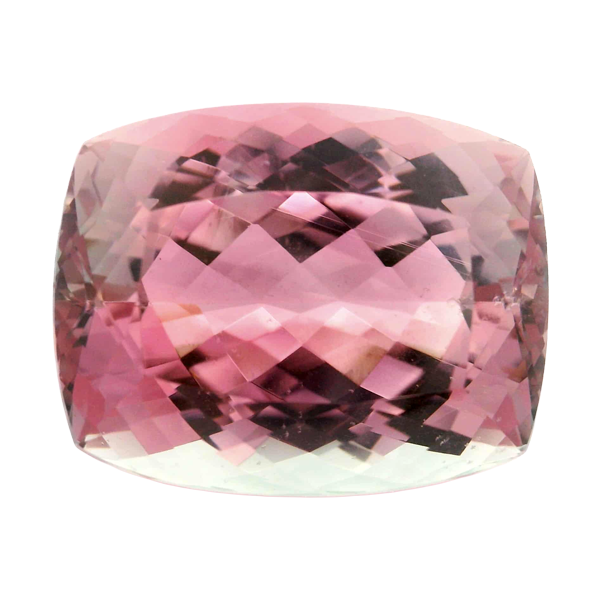
Tourmaline - 18.20 ct
Pink, Cushion Cut
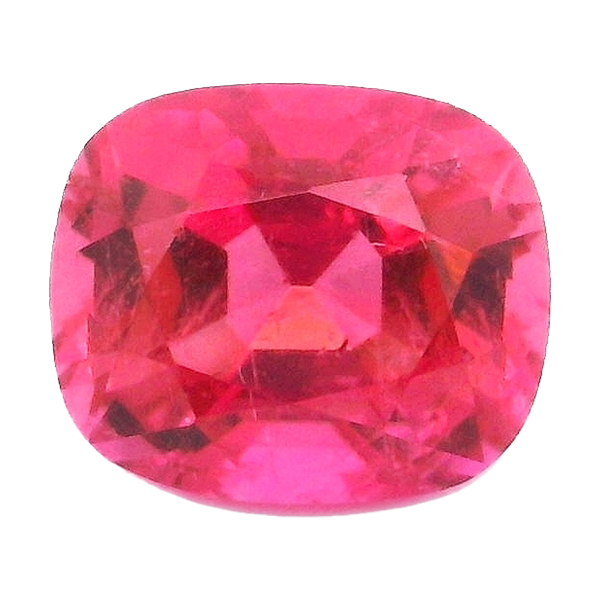
Tourmaline - 3.96 ct
Rubellite, Cushion Cut
Tourmaline - 3.12 ct
Red, Trillion Cut

Oranges and Yellows

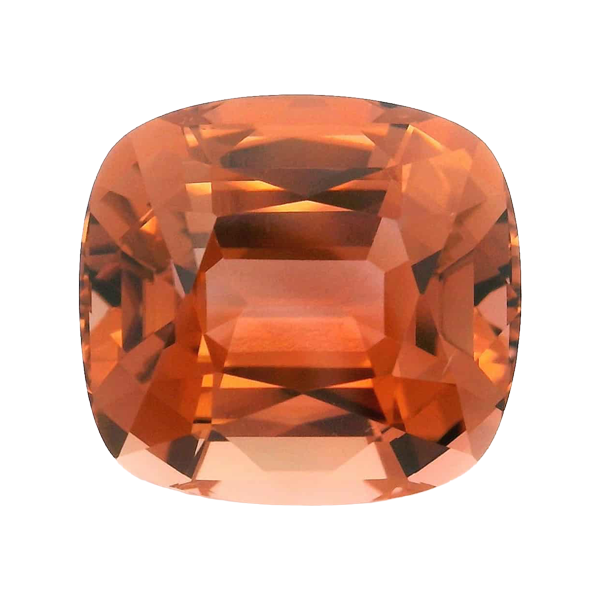
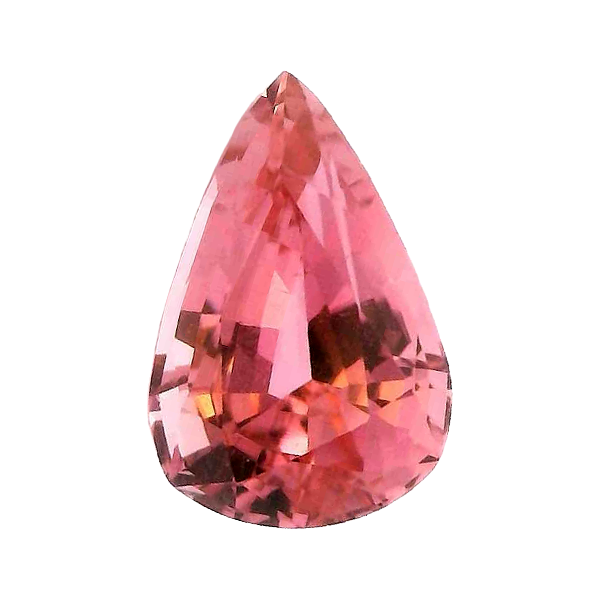
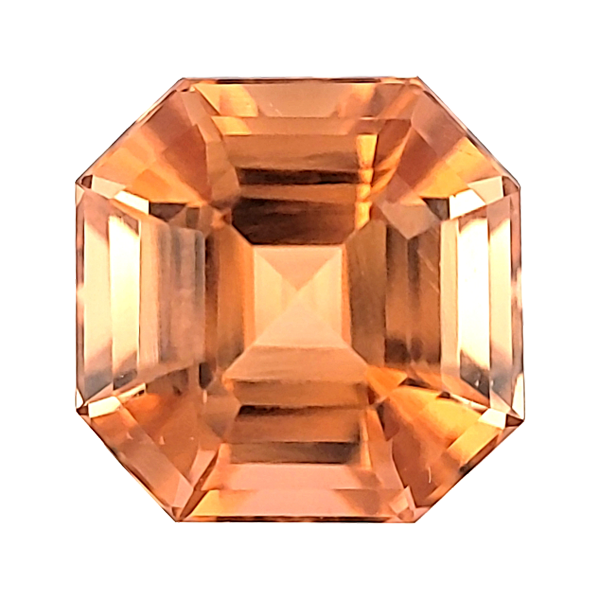
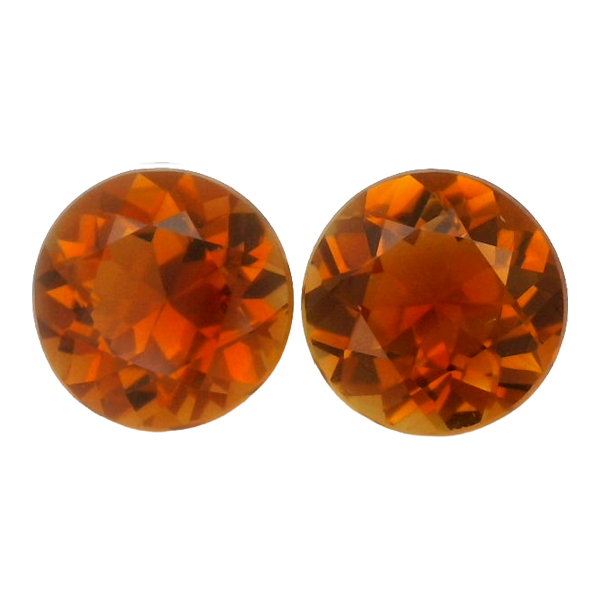
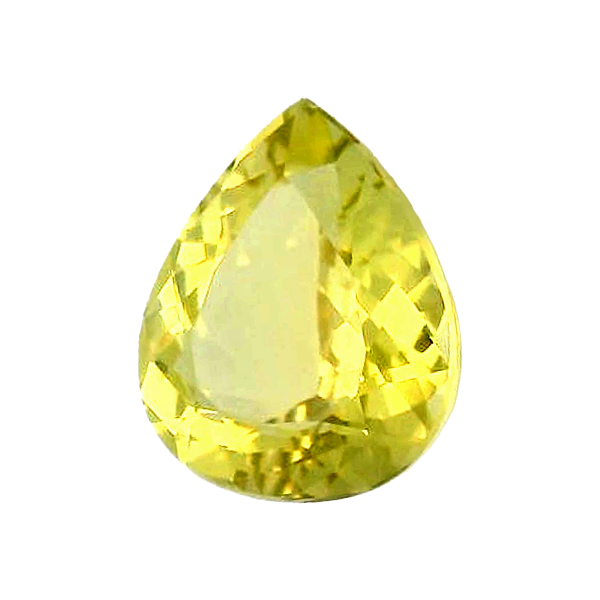
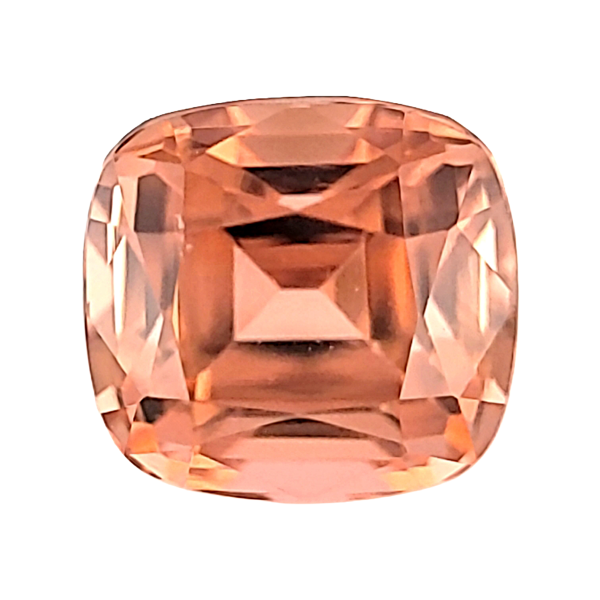
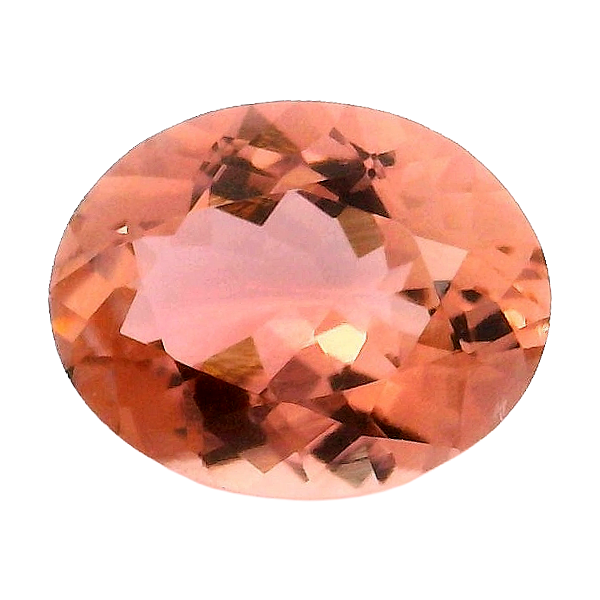
You may be less familiar with Tourmaline’s orange, peach, and yellow hues.  Orange Tourmaline can range from pale peach to deep autumnal shades. Depending on the chemical elements present, yellow Tourmaline present in a range of colors from butter yellow to tennis ball chartreuse. Canary yellow is used to refer to a neon yellow shade of copper-bearing tourmaline.
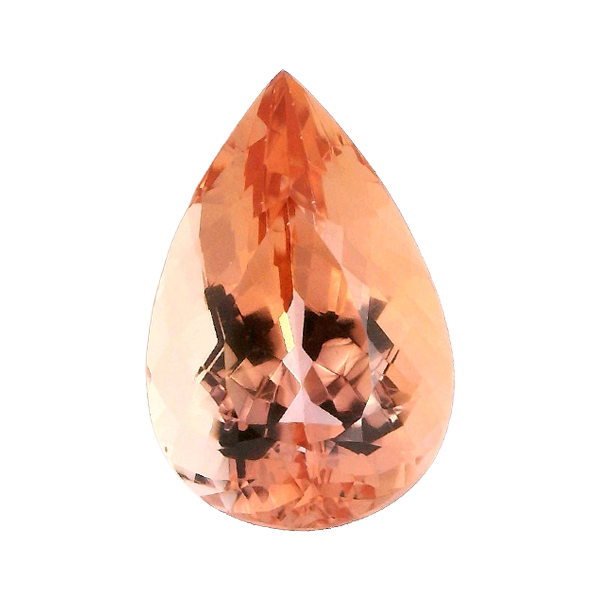
Tourmaline - 6.16 ct
Peach, Pear Cut
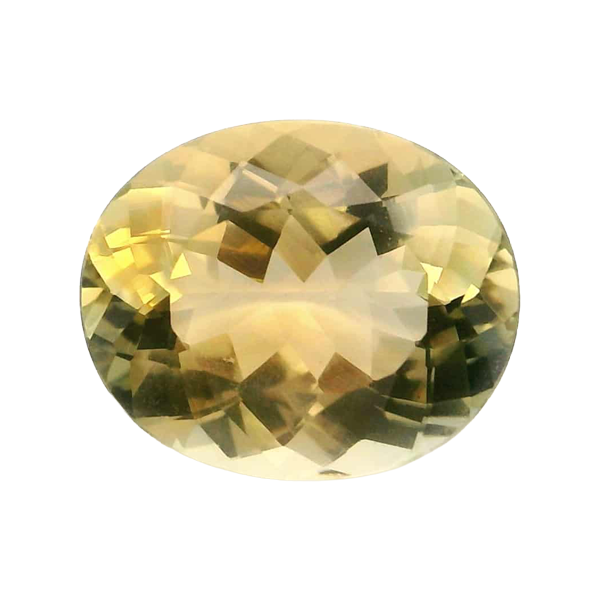
Tourmaline - 3.85 ct
Yellow, Oval Cut
Tourmaline - 14.94 ct
Peach, Cushion Cut
Tourmaline - 2.92 ct
Peach, Pear Cut
Tourmaline - 6.59 ct, Peach, Asscher Cut
Tourmaline - 3.70 tcw
Orange, Round Pair
Tourmaline - 3.65 ct
Neon Yellow, Pear Cut
Tourmaline - 3.53 ct
Peach, Cushion Cut

Greens and Blues

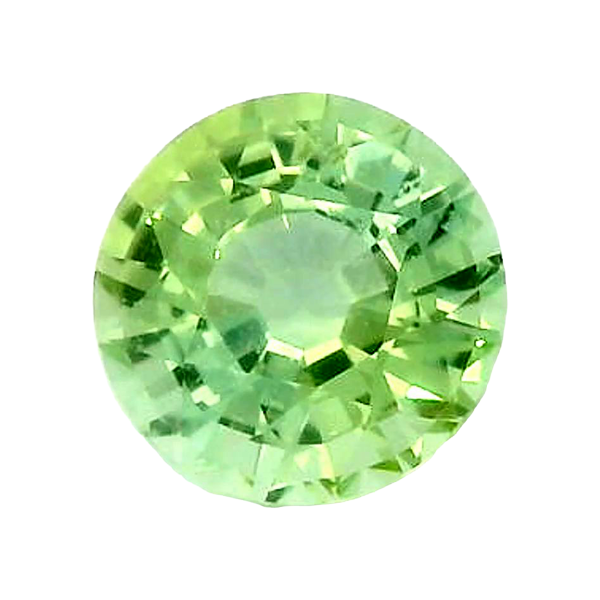
If you wanted to capture the many nuances of blue and green that we see in nature, tourmaline would be one of the first gemstones I would recommend. Its colors range from delicate mint and grassy green to peacock teal, deep forest green, and rich blue.
 
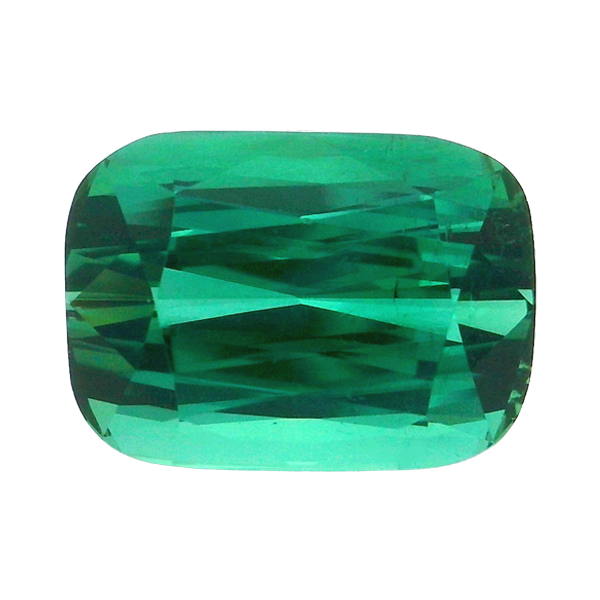
Indicolite is the name used for blue to greenish-blue tourmaline. Its color can range from deep, inky blue to lighter blue-green, lagoon, and seafoam shades.
 
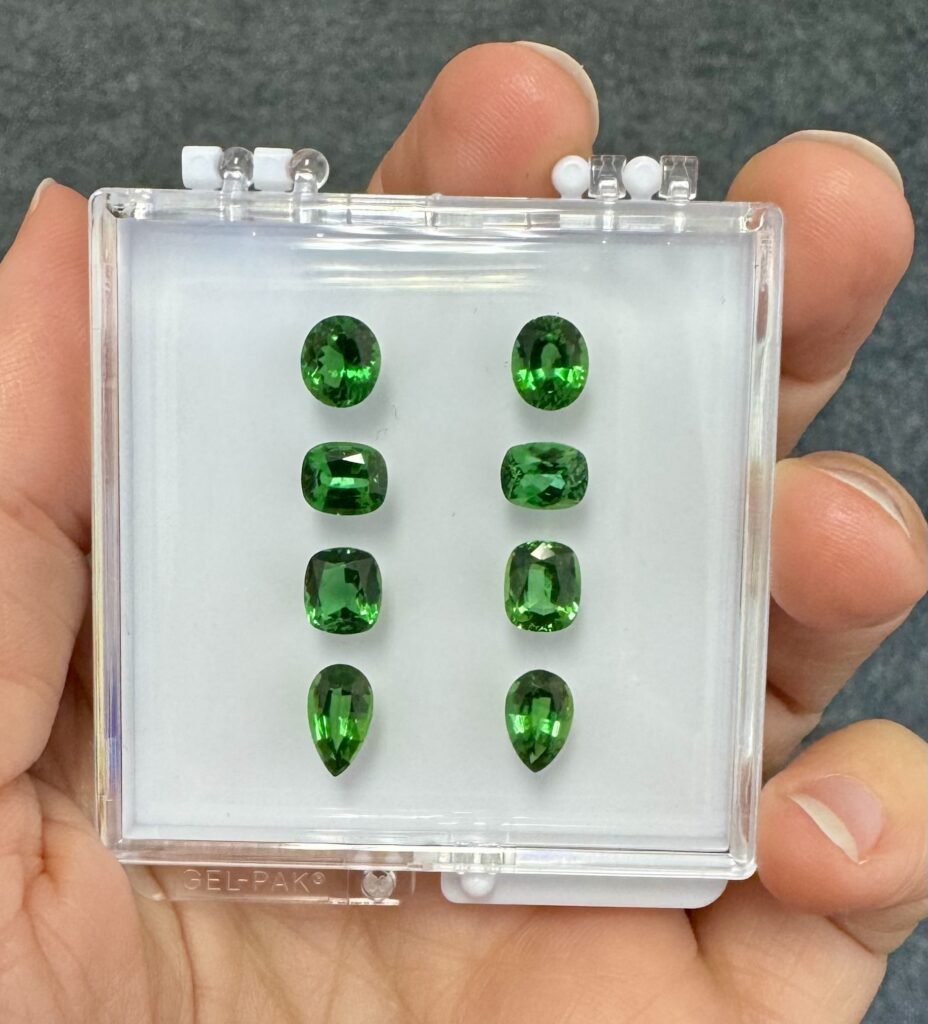
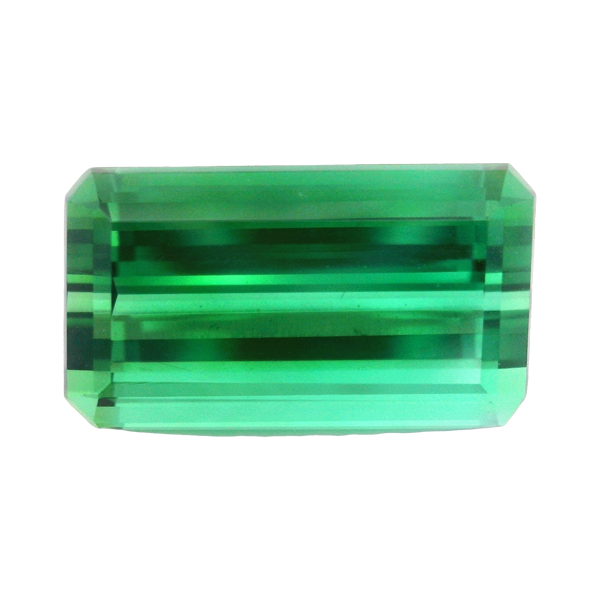
Chrome tourmaline is known for its intense green color, often comparable in appearance to emerald and tsavorite garnet. Despite its name, the vivid green is caused by the presence of vanadium in the crystal rather than chromium.
Chrome Tourmaline Earring Layout
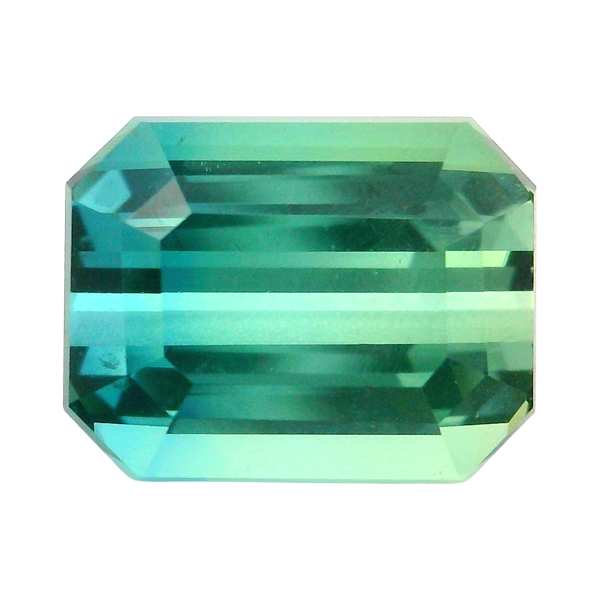
Tourmaline - 11.96 ct
Bi-Color, Cushion Cut
Tourmaline - 2.65 ct
Lagoon Blue, Pear Cut
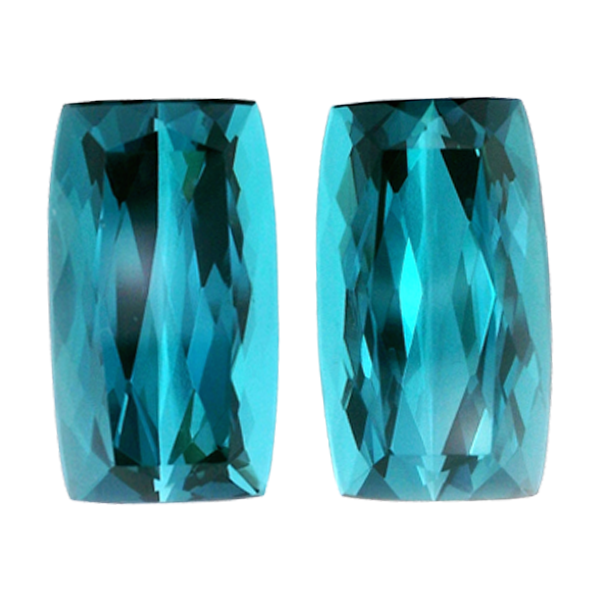
Tourmaline - 13.80 tcw
Indicolite, Cushion Pair
Tourmaline - 2.54 ct
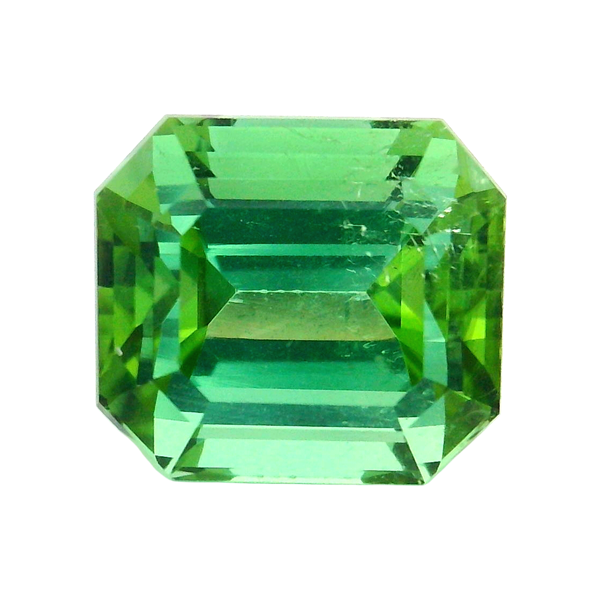
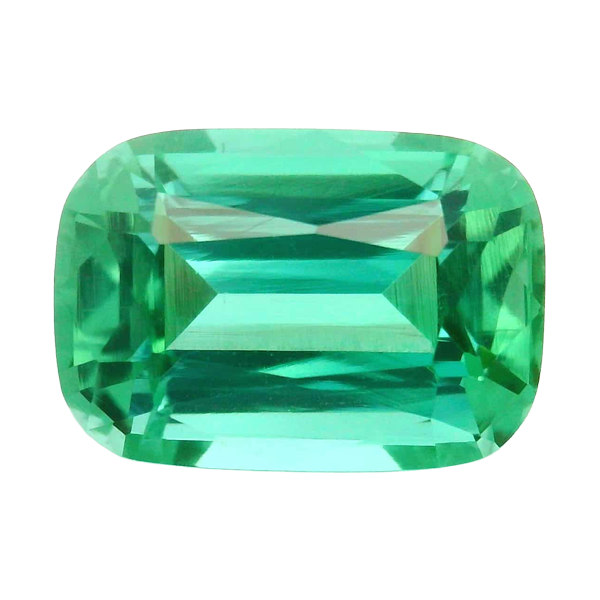
Green, Cushion Cut
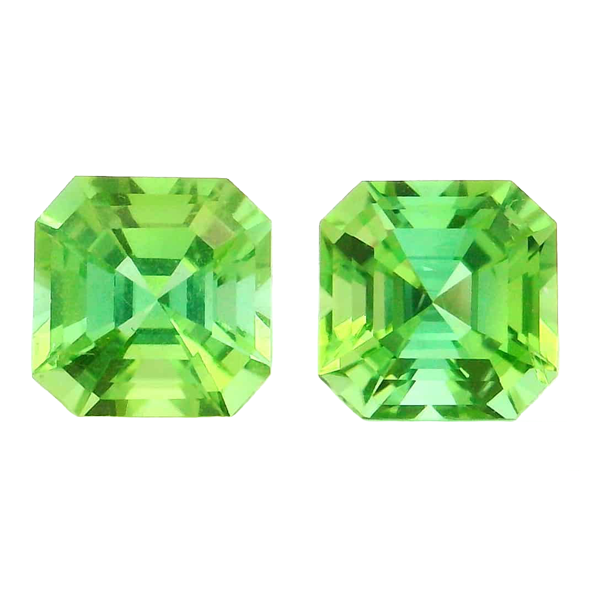
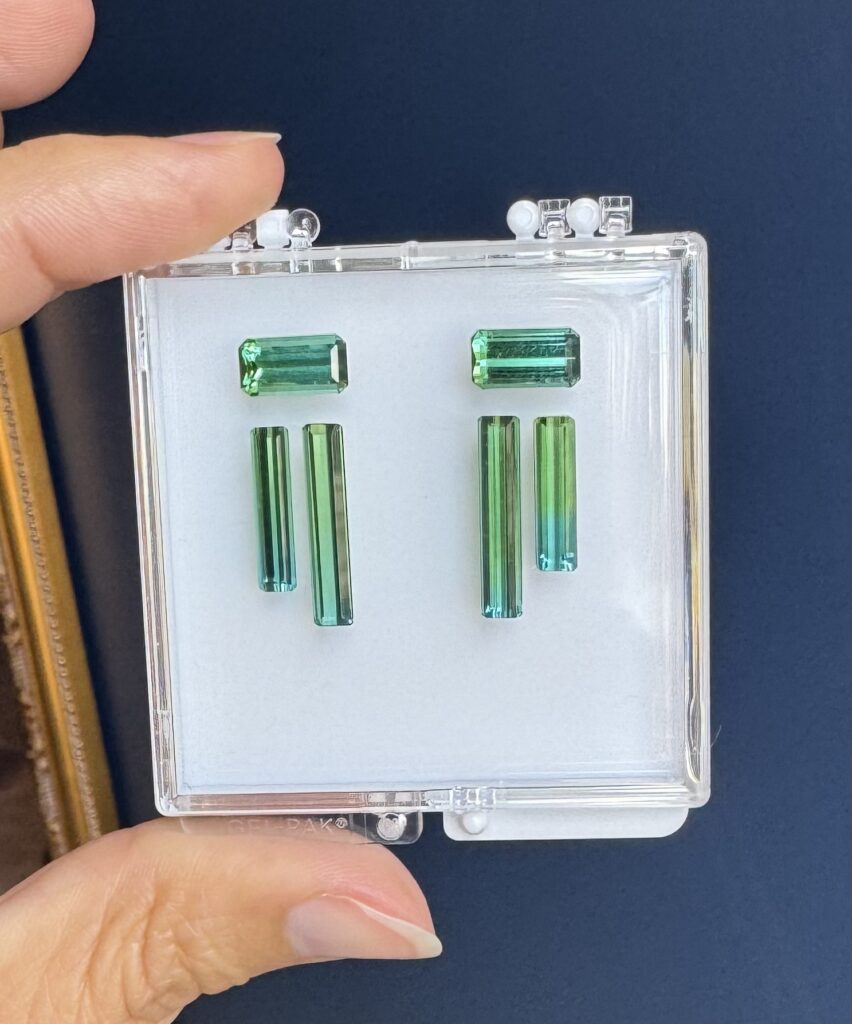
Tourmaline - 2.24 tcw
Green, Asscher Cut Pair
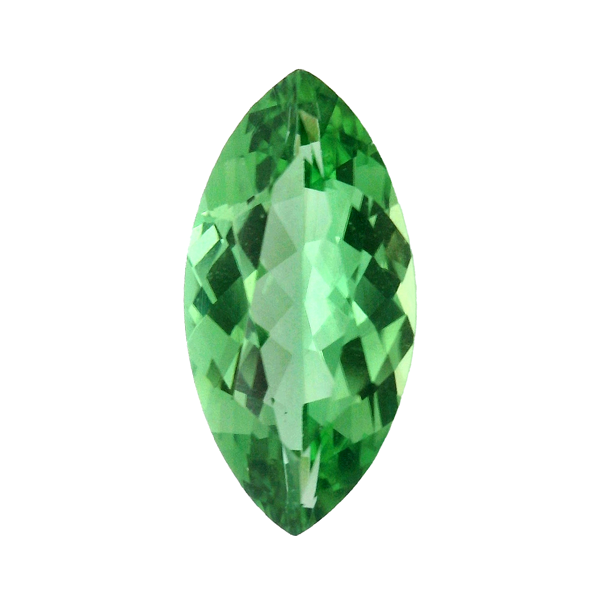
ChromeTourmaline - 1.24 ct, Marquise Cut
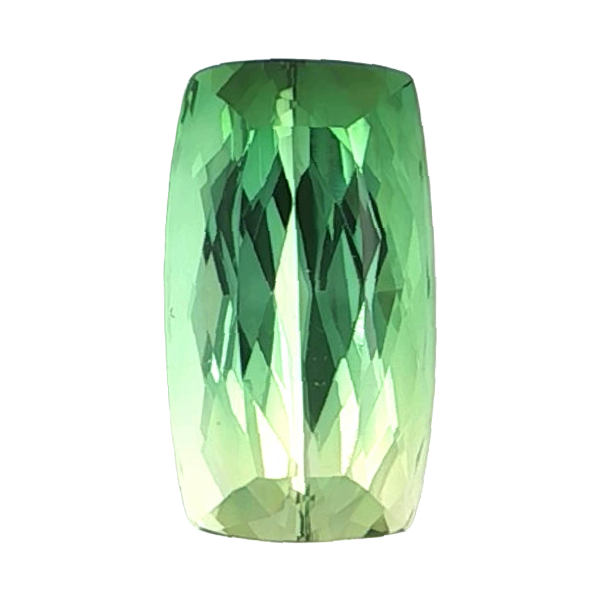
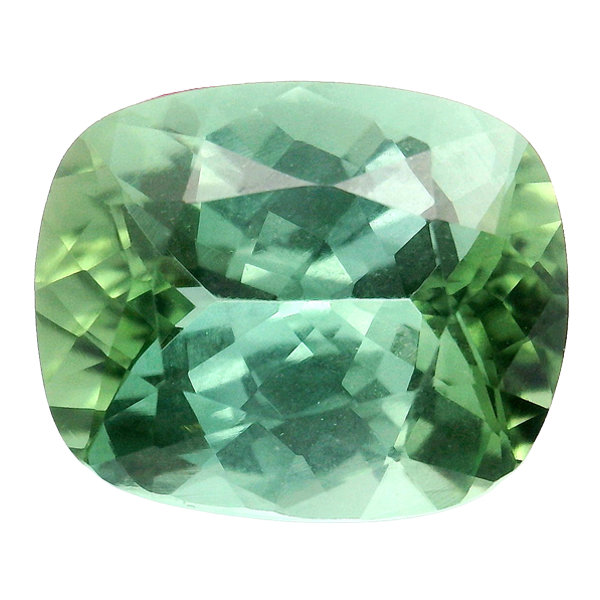
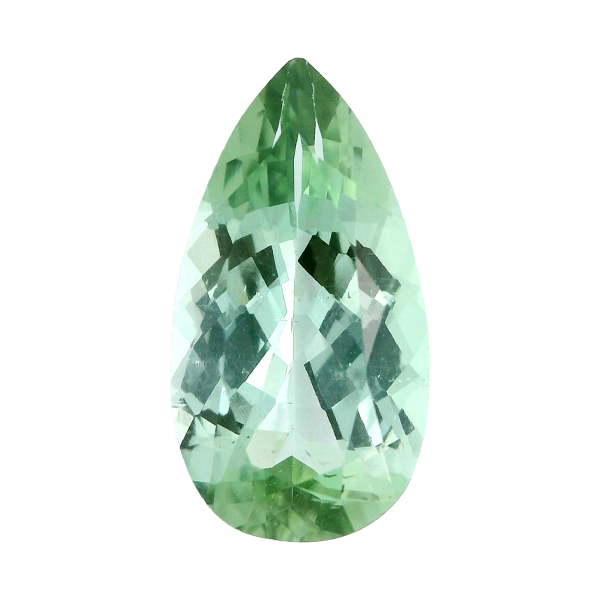
Tourmaline - 3.20 ct
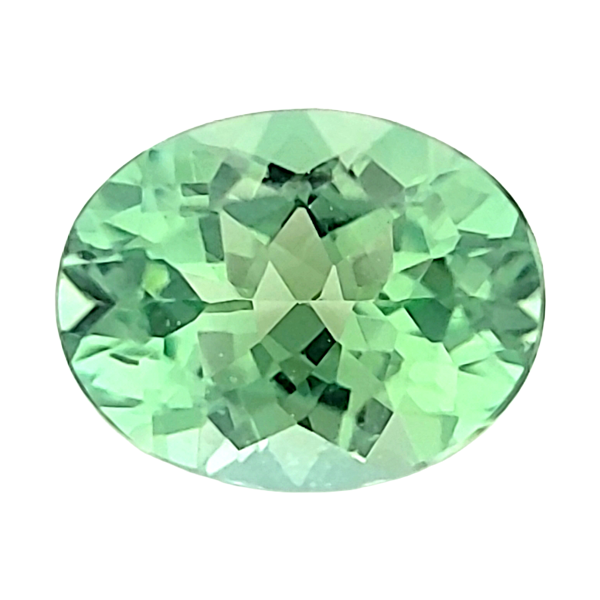
Mint Green, Pear Cut
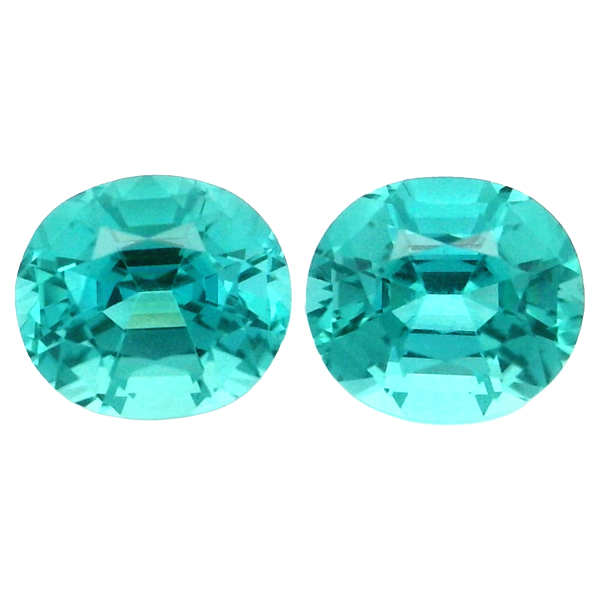
Tourmaline - 2.68 tcw
Blue-Green, Oval Pair

Paraíba Tourmaline and Other Copper-Bearing Tourmalines

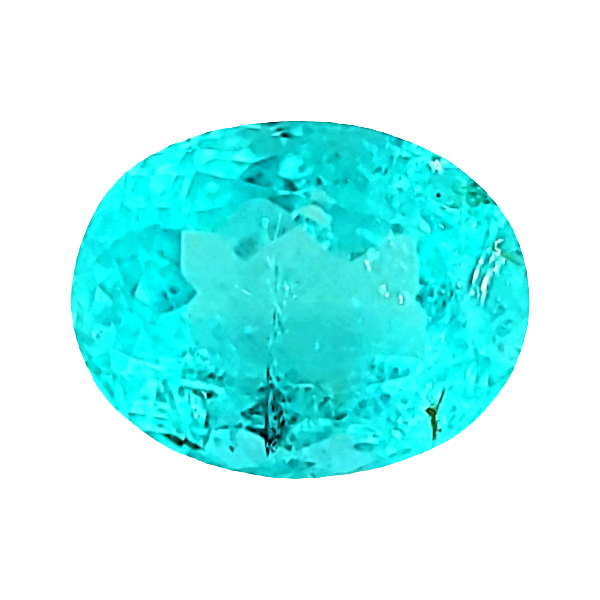
Paraíba tourmaline is among the most recognizable and sought-after varieties of tourmaline. First discovered in the Brazilian state of Paraíba in the late 1980s, this material stood out for its vivid blue-to-green colors and almost neon intensity.
The term Paraíba tourmaline is used for qualifying material whose color is primarily associated with copper and manganese, regardless of geographic origin. Similar material has since been found in Nigeria and Mozambique, and in 2026, Ethiopia was confirmed as another source of Paraíba-type tourmaline.

Exceptional Paraíba tourmalines are prized for their vivid saturation, size, and overall quality. Many contain visible inclusions, so clarity should be considered alongside color rather than evaluated in isolation.

Heat treatment is a common enhancement for Paraíba tourmaline. Before treatment, Paraíba gems can often be an exquisite lavender purple that we hardly see in the market because of how sought-after and valuable the stone becomes when heated to Paraíba blue.  
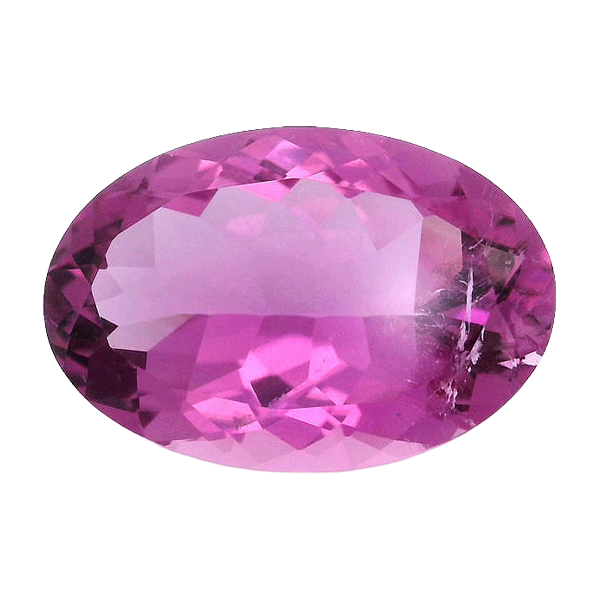
 I have an incredibly special purple Paraiba-type tourmaline, containing both copper and manganese, in my inventory that I have kept unheated so that its rare beauty should be preserved.
 
Copper-bearing tourmalines, also called Cuprian tourmaline, can also display unusual colors outside the familiar electric blue-to-green range, including vivid yellows, purples, pinks, and greens.
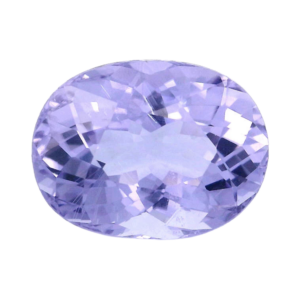
Tourmaline - 6.76 carat
Purple, Oval Cut
No Heat, Mozambique
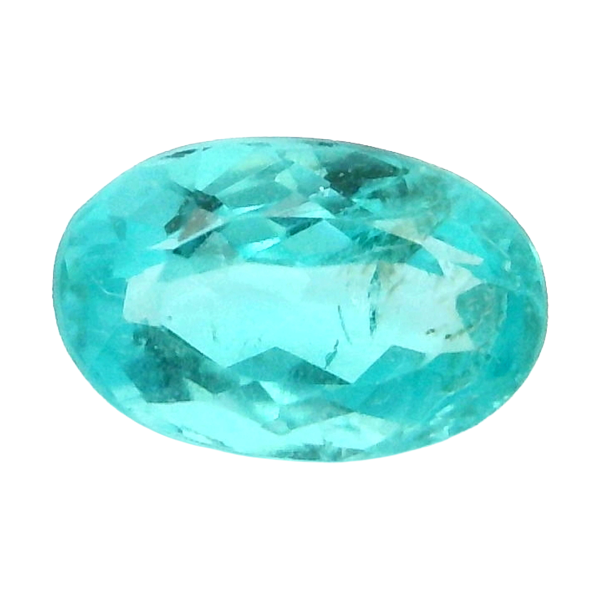
Tourmaline - 0.34 ct
Paraíba, Oval Cut
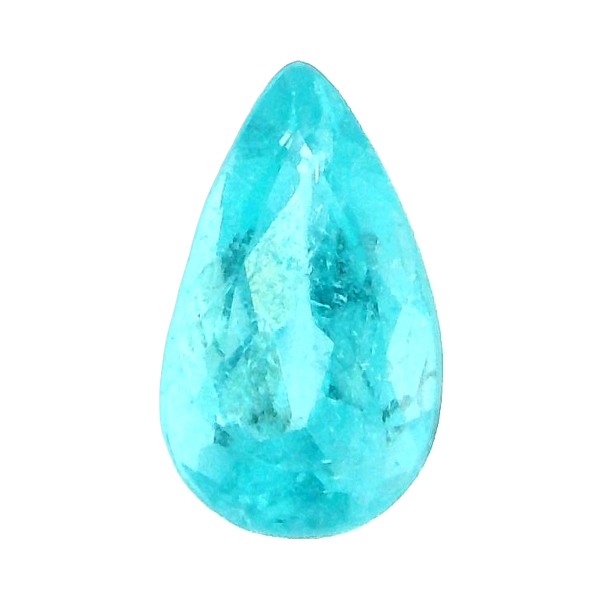
Tourmaline - 0.32 ct
Paraíba, Pear Cut
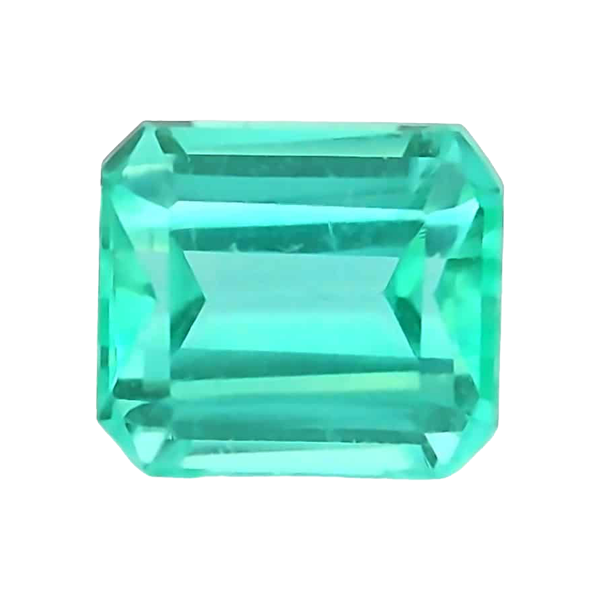
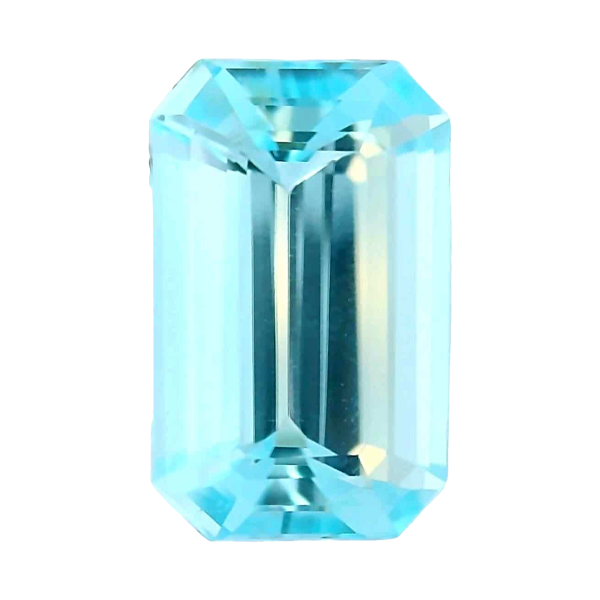
Tourmaline - 0.72 ct
Paraíba, Emerald Cut
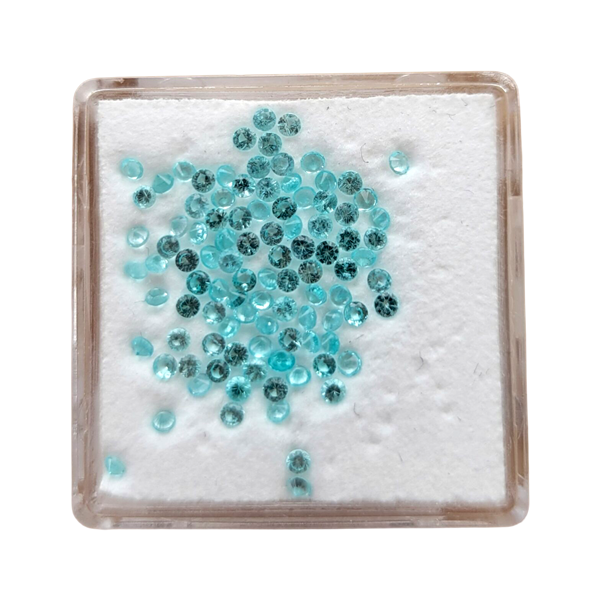
Tourmaline - 1.33 tcw
Paraíba, 1.5mm Round
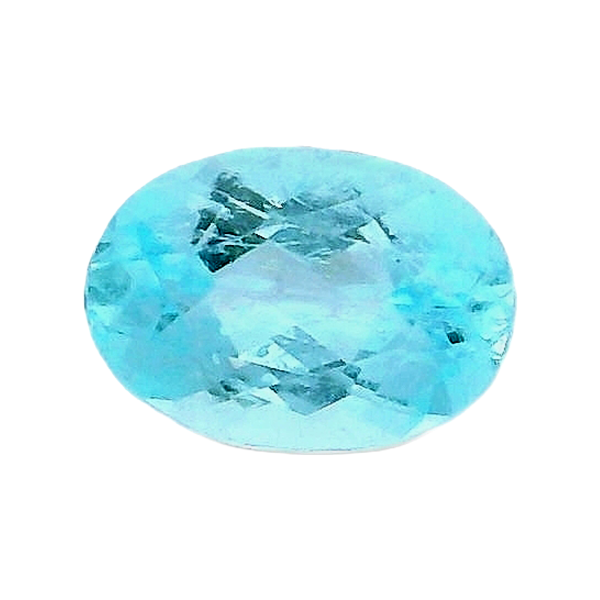
Tourmaline - 0.88 ct
Paraíba, Oval Cut
Tourmaline - 2.07 ct
Paraíba, Emerald Cut
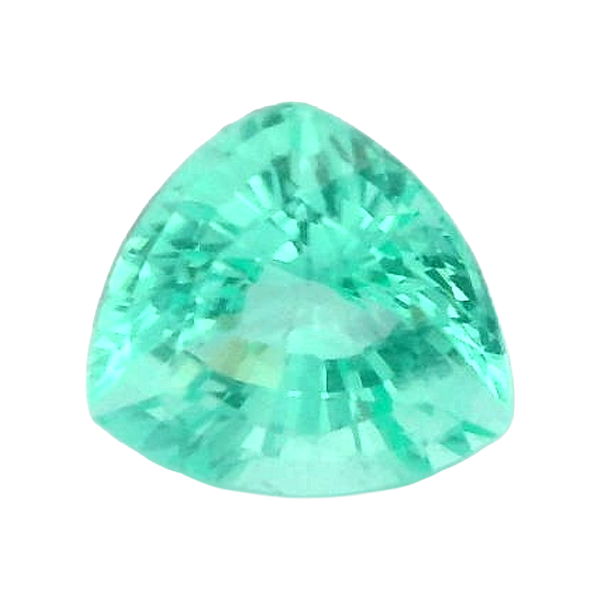
Tourmaline - 2.05 ct
Paraíba, Trillion Cut
Tourmaline - 0.71ct
Paraíba, Oval Cut

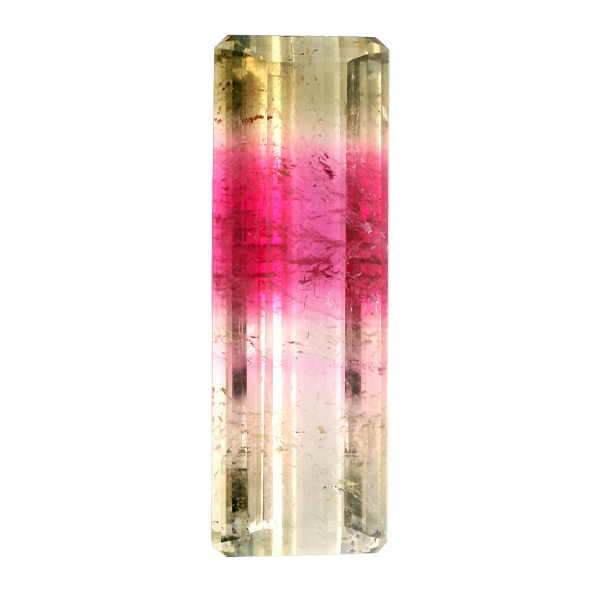
Bi-Color, Tri-Color, and Watermelon Tourmaline

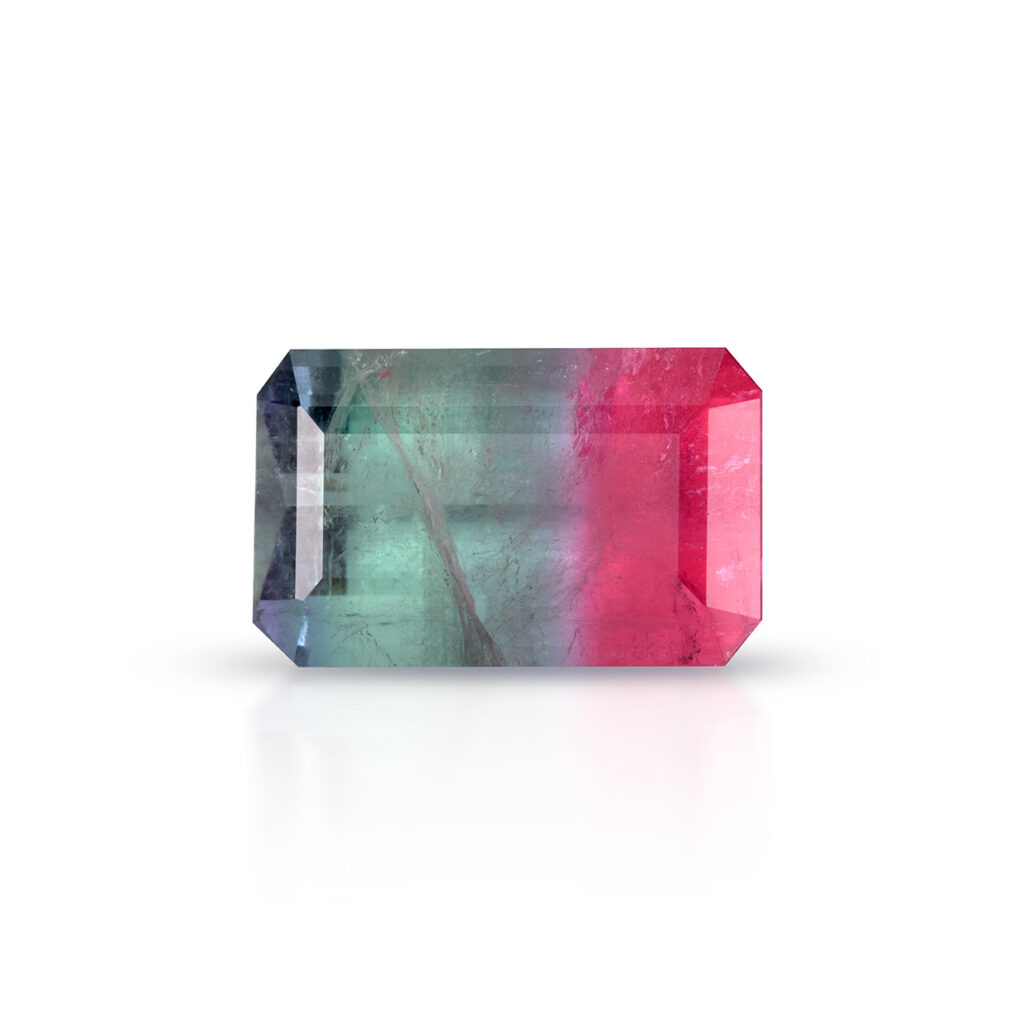
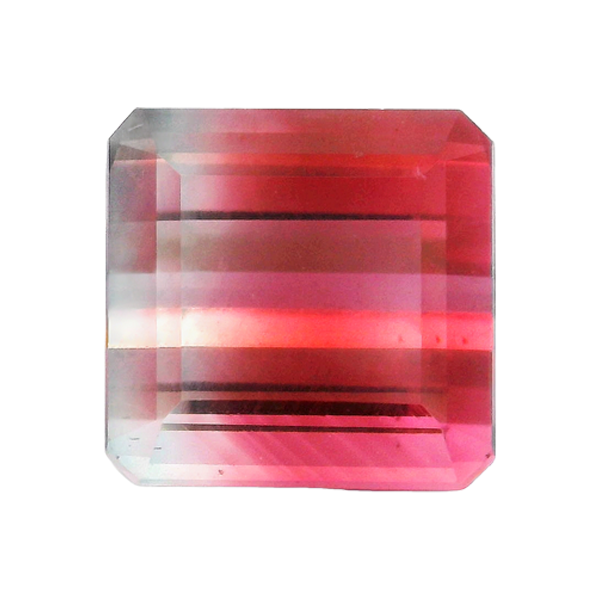
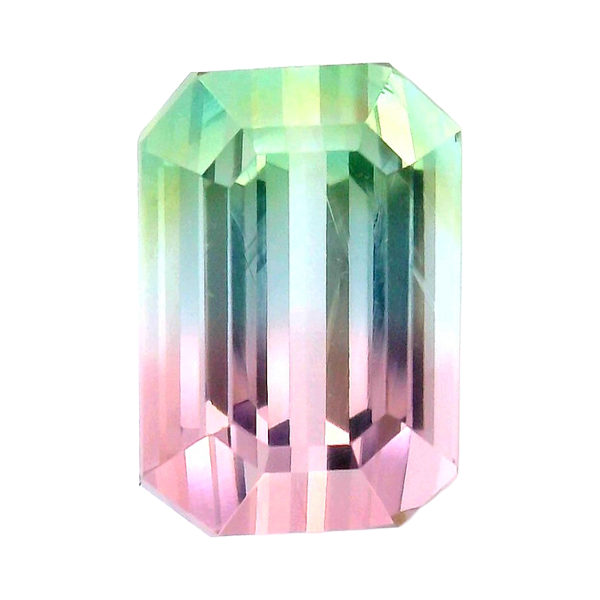
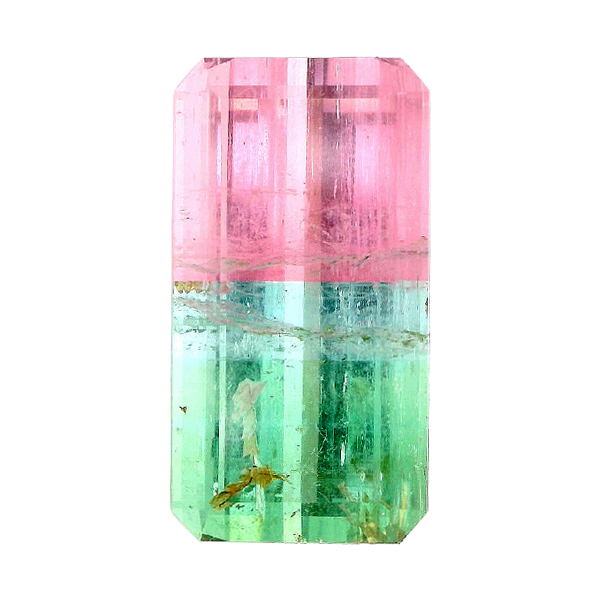
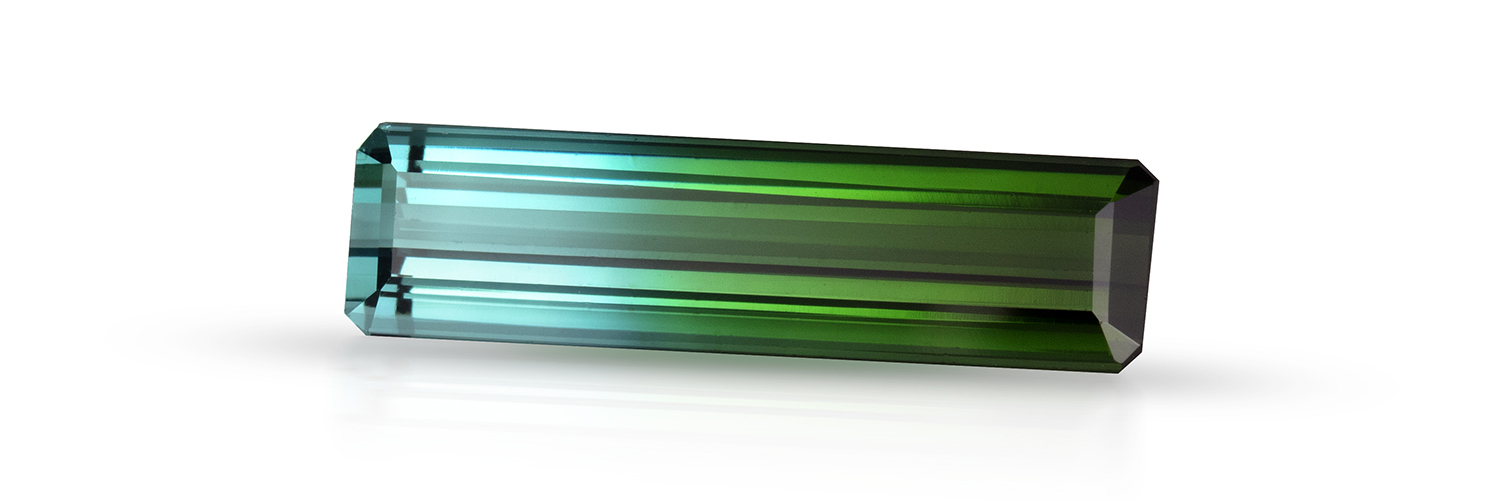
One of tourmaline’s most fascinating features is its ability to display multiple colors within a single crystal. These combinations can create gradual transitions, distinct color zones, or striking contrasts.
 
Watermelon tourmaline is the classic bi-color combination. These crystals grow with a pink core surrounded by and green and are often cut into slices to reveal the natural arrangement of colors.
 
Other bi-color and tri-color tourmalines are especially inspiring because their color patterns reflect the unique conditions under which each crystal formed. While some combinations occur more frequently than others, the arrangement, proportions, and transitions between colors are distinctive to each stone and difficult to replicate.
Finding matching stones often means cutting them from the same piece of rough or from crystals found together in the same pocket. Even then, the distribution of color can vary, making each parcel distinctive. Red, pink, green, blue, purple, and other hues can occur together in unexpected ways.

Some of my favorite combinations are those in which blue, purple, and pink meet within the same stone, creating natural color relationships that I find deeply inspiring.
Tourmaline - 5.25 ct
Bi-Color, Emerald Cut
Tourmaline - 5.25 ct
Bi-Color, Emerald Cut
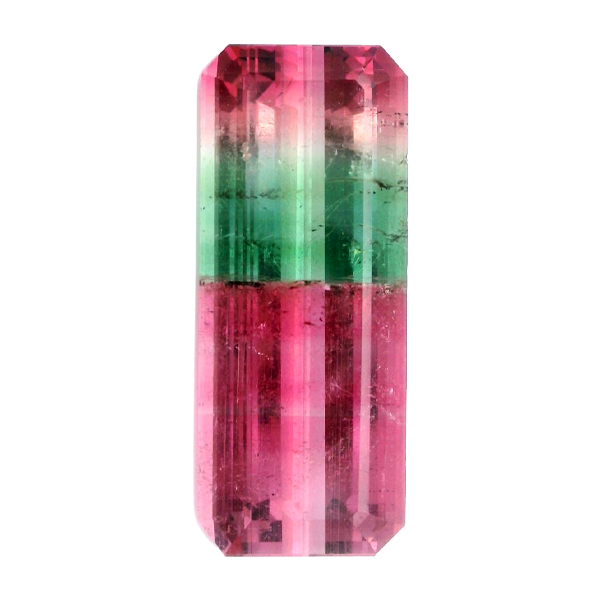
Tourmaline - 31.06 ct
Bi-Color, Emerald Cut
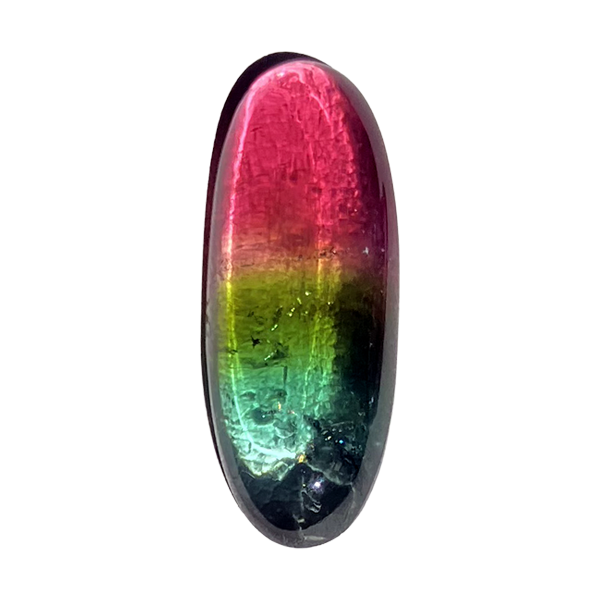
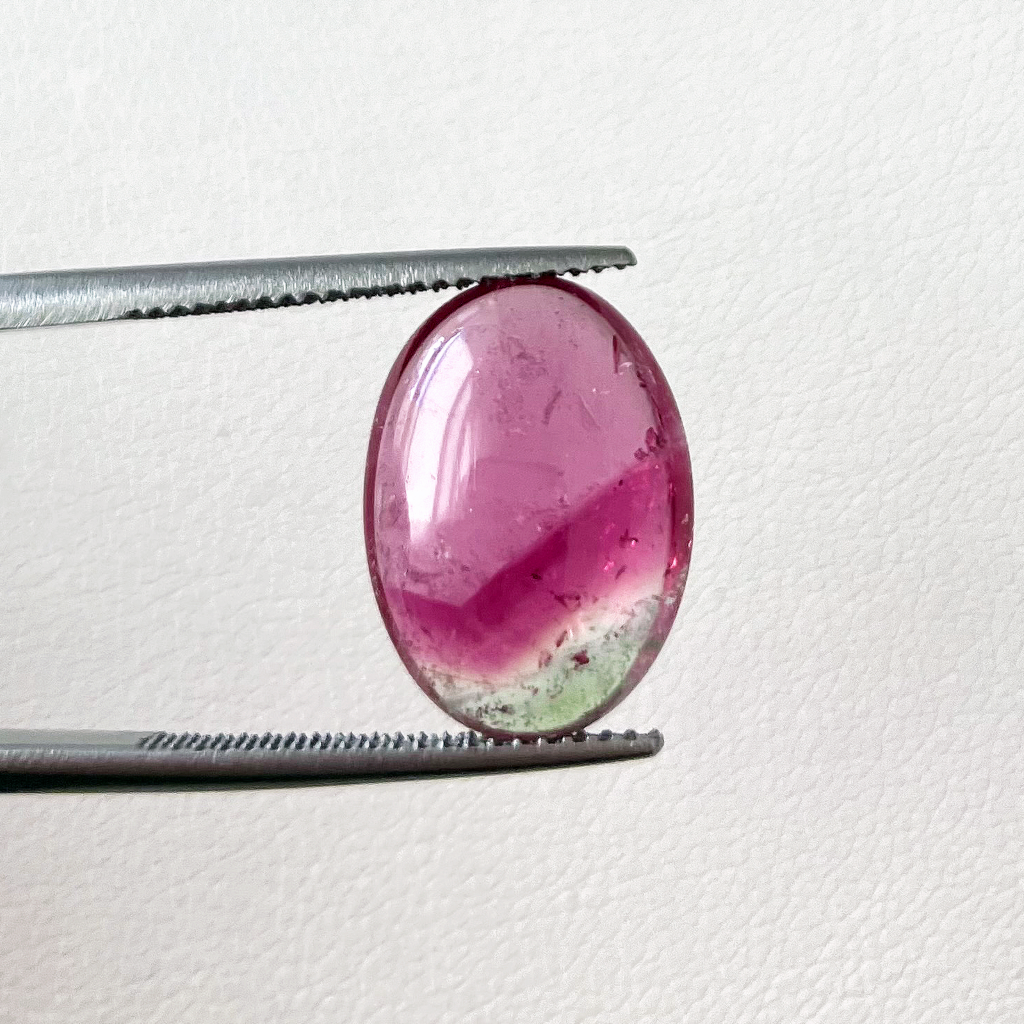
Tourmaline - 11.31 ct
Tri-Color, Oval Cabochon
Tourmaline - 2.24 ct
Bi-Color, Emerald Cut
Tourmaline - 20.82 ct, Emerald Cut
Tourmaline - 1.68 ct
Bi-Color, Oval Cut
Tourmaline - 24.53 ct
Bi-Color, Emerald Cut

Other Tourmaline Varieties

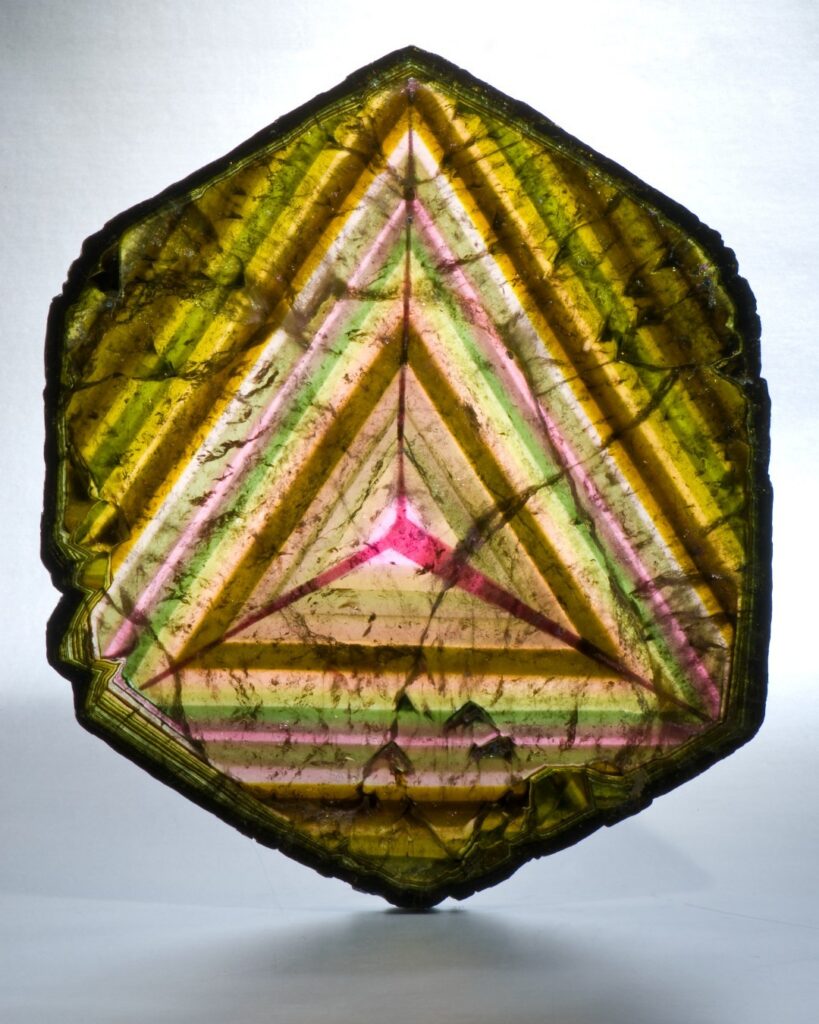
Slide of Liddicoatite from Madagascar. photo by Robert Weldon/GIA
The tourmaline group includes mineral species beyond the colorful varieties most commonly seen in fine jewelry.
 
Dravite is commonly brown to dark brown, although its color can vary with composition. 
 
Schorl is typically black and accounts for a large proportion of tourmaline found in nature. Black tourmaline has also gained popularity as crystal-healing becomes more mainstream. In this tradition it is associated with protection and drawing away negative energy.
 
Liddicoatite can display spectacular geometric color zoning, with triangular patterns combining pink, yellow, green, and other hues. These crystals slices are especially interesting to collectors and designers who appreciate the natural patterns revealed within tourmaline.
 
Understanding these varieties provides a fuller picture of the diversity you may encounter when sourcing gemstones or visiting a gem and mineral show.

Commons Sources

Tourmaline is found in many parts of the world, and different localities are known for distinctive colors and material characteristics. Origin can contribute to a gemstone’s story, but it is only one factor in evaluating a stone. Color, clarity, cut, treatment, and overall quality remain essential.
 

Brazil

Brazil is the epicenter of the earth’s diverse Tourmaline deposits and produces the widest variety of Tourmaline colors of anywhere in the world. Its many gemstone-producing regions yield a remarkable variety of colors, including green, pink, red, blue, and bi-color material.
Minas Gerais is particularly important for Brazilian tourmaline, while the state of Paraíba is the historic source that introduced the world to the vivid colors now associated with Paraíba tourmaline. 
Tourmaline - 4.22 ct
Pink, Round Cut
from Brazil
Tourmaline - 6.16 ct
Peach, Pear Cut
from Brazil
Tourmaline - 7.18 ct
Green, Emerald Cut
from Brazil
Tourmaline - 0.39 ct
Paraíba, Pear Cut
from Brazil
Tourmaline - 6.30 ct
Indicolite, Cushion
from Brazil
Tourmaline - 6.94 ct
Bi-Color, Emerald Cut
from Brazil

Africa

African sources contribute significantly to today’s tourmaline market.
 
Nigeria produces a range of colors, including green, pink, and copper-bearing blue-to-green material. Mozambique is another important source of copper-bearing tourmaline, while Namibia is known for attractive blue-green stones, including lighter seafoam and lagoon shades.
 
Madagascar produces a broad range of colors, and Tanzania and Zambia are known for green tourmaline, including attractive chrome and mint-green material.
 
In August 2026, the Gemological Institute of America (GIA) and Gübelin Gem Lab confirmed Ethiopia as an additional source of copper-bearing tourmaline that meets the accepted definition of Paraíba tourmaline.
Tourmaline - 1.82 ct
Rubellite, Oval Cut
from Nigeria
Tourmaline - 2.37 ct
Peach, Oval Cut
from Nigeria
Tourmaline - 2.03 ct
Green, Round Cut
from Nigeria
Tourmaline - 7.52 ct
Green Bi-Color, Cushion Cut
from Mozambique
Tourmaline - 2.65 ct
Lagoon, Pear Cut
from Namibia
Tourmaline - 9.46 ct
Pink, Oval Cut
from Mozambique

Afghanistan and Pakistan

Afghanistan and Pakistan are known for tourmaline in saturated pinks and greens, as well as an attractive cotton candy palette of pastel shades, including pink, peach, light green and bi-color stones.
Tourmaline - 3.92 ct
Bi-Color, Radiant Cut
from Afghanistan
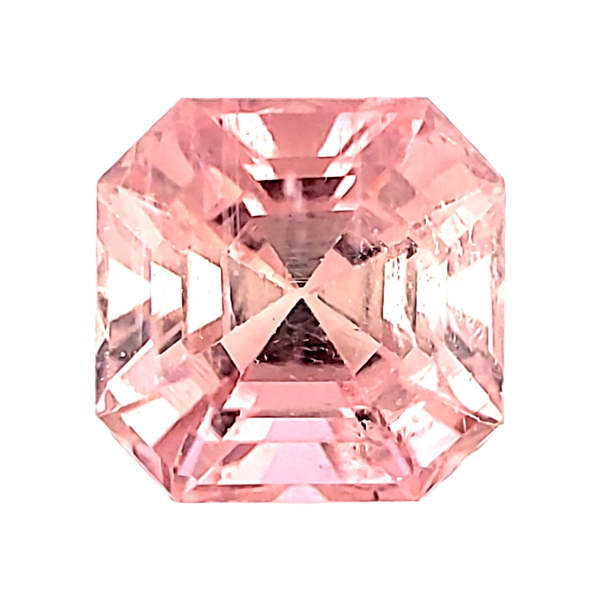
Tourmaline - 4.63 ct
Pink, Asscher Cut
from Afghanistan
Tourmaline - 6.30 ct
Indicolite, Cushion
from Brazil
Tourmaline - 3.23 ct
Green, Emerald Cut
from Afghanistan
Tourmaline - 2.86 ct
Green, Cushion Cut
from Brazil
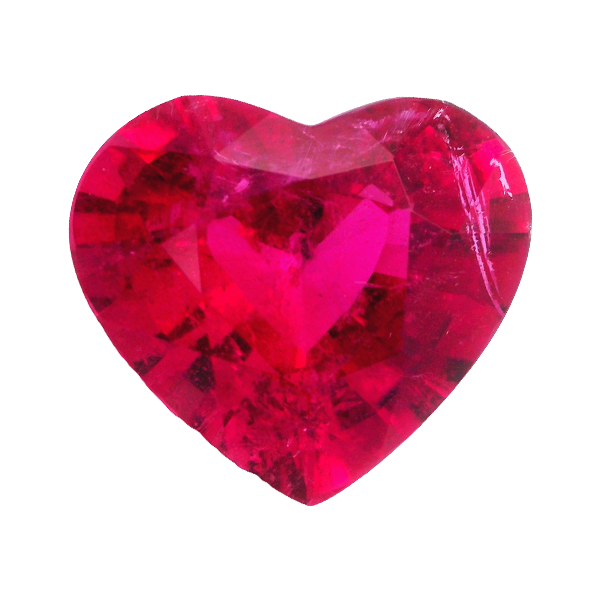
Tourmaline - 6.32 ct
Rubellite, Heart Cut
from Afghanistan
The United States

California and Maine have long histories of tourmaline production.
 
California’s production is centered in San Diego County and includes attractive pink, green, and bi-color material. Maine, where tourmaline was first discovered in 1820, has produced gem-quality stones in pink, green, blue, and other hues, ranging from soft pastels to more saturated colors.
 
American Tourmaline can appeal to designers interested in domestic gemstone origins or stones connected to the history of American gem mining.
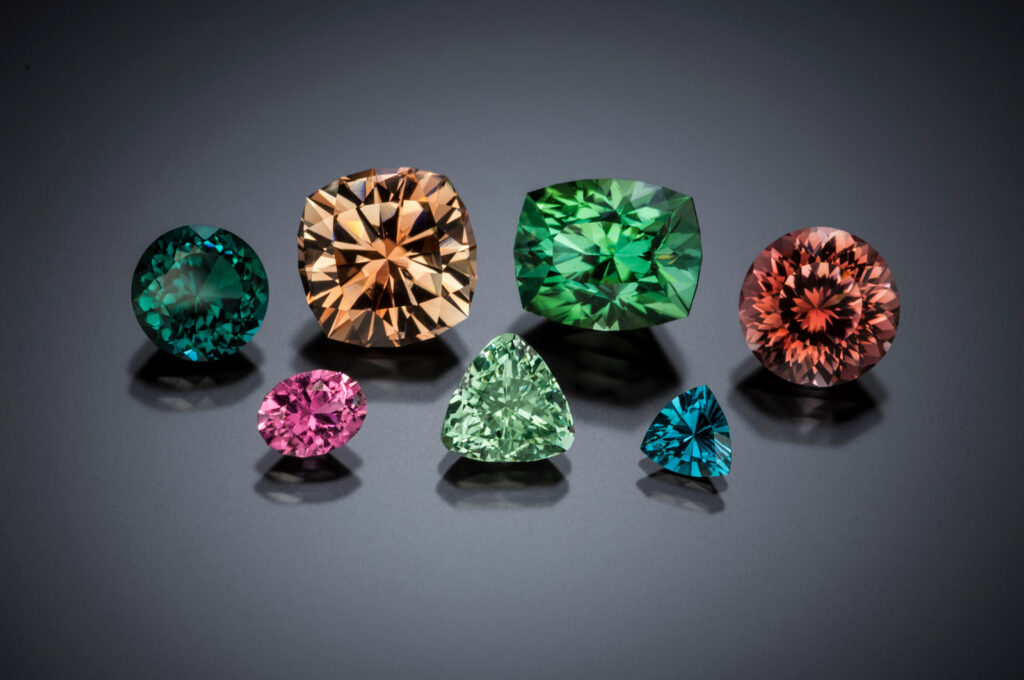
A suite of Tourmalines from Mount Marie, Paris, Maine. Image courtesy of Maine Mineral Museum

Tourmaline Treatments

and Why Your Supplier Matters

Tourmaline may undergo heat treatment to alter its color, irradiation to intensify certain pink and red hues, or clarity enhancement through fracture filling, which can reduce the visibility of surface-reaching fractures. The results vary depending on the individual stone, and some treatments can affect care requirements and long-term durability.
 
Identifying treatments can be challenging, even with gemological testing. Heat treatment and irradiation, in particular, may not be detectable through routine testing. This is why I place so much importance on working with knowledgeable, reliable gemstone suppliers. Ask about treatment history, request available documentation, and understand any precautions needed during setting, repair, and cleaning. Accurate disclosure helps ensure that tourmalines are properly valued, represented, and cared for.
 

Caring For Tourmaline Jewelry

Although tourmaline is relatively hard, it still requires appropriate care. Follow these guidelines to help protect your gemstones:

Clean gently: Use warm water, mild soap, and a soft brush.

Avoid ultrasonic and steam cleaners: These can damage stones with inclusions, fractures, or certain treatments.

Protect from heat: High temperatures and sudden temperature changes can cause damage or affect some treated stones.

Store separately: Keep tourmaline away from harder gemstones and jewelry that could scratch or damage it.

Take care during setting and repair: Inform your jeweler about any known treatments and avoid unnecessary heat exposure.

Tips for Designers Working with Tourmaline

An Extraordinary Range of Color

I love recommending tourmaline to designers because of its incredible range of colors and saturations. From delicate pastels and muted greens to vivid magentas, rich reds, and electric blues, tourmaline offers a palette that can bring almost any artistic vision to life.
 
Whether you’re designing around a specific color story, creating a gradient of hues, or looking for a distinctive center stone, tourmaline offers endless sources of inspiration and possibilities to explore.

Versatility in Cutting

Tourmaline works beautifully in a wide variety of cuts, from traditional faceted shapes to custom cuts, cabochons, and polished slices. Its elongated crystal structure can lend itself to dramatic pear shapes, emerald cuts, and other elongated designs, while bi-color and tri-color material offers opportunities to highlight natural color zoning.


Tourmaline also has an attractive luster. Beyond its beautiful color, its high lustre brings sparkle and elegance to both classic and contemporary designs.

Exceptional Color and Value

Tourmaline offers designers access to a remarkable range of colors at a variety of price points, often providing a more accessible alternative to ruby, sapphire, and emerald, traditionally known as “The Big Three”. Its availability in larger sizes also makes it an exciting option for providing incredible color at statement-making sizes making it a great choice for cocktail rings, bold pendants, and one-of-a-kind creations.
 
While exceptional material, particularly Paraíba tourmaline, can command premium prices, the diversity of tourmaline gives designers considerable flexibility to find gemstones that suit their vision, scale, and budget.
Tourmaline is a gemstone I continue to love working with because no two stones are quite alike. Its extraordinary palette, distinctive natural characteristics, and versatility in jewelry design make it an inspiring material for both individual pieces and complete collections.
 
I hope this edition of Noelle’s Notes inspires you to explore tourmaline’s possibilities in your own designs.
Explore our tourmaline inventory to discover the colors, cuts, and gemstones currently available.
0
0
Your Cart
Your cart is emptyReturn to Shop
Scroll to Top

"*" indicates required fields

This field is for validation purposes and should be left unchanged.
This field is hidden when viewing the form

No cart or wishlist items found.

This field is hidden when viewing the form

"*" indicates required fields

This field is for validation purposes and should be left unchanged.
This field is hidden when viewing the form

No cart or wishlist items found.

"*" indicates required fields

This field is hidden when viewing the form